
“You Overlook” - Morgan Freeman Admits Money Can Outweigh a Bad Script in Hollywood

Morgan Freeman has candidly admitted that a good paycheck can sometimes outweigh flaws in a screenplay when deciding whether to take on a role. The Oscar-winning actor made the revelation recently while promoting the third season of Paramount+'s Lioness, in which he reprises his role as U.S. Secretary of State Edwin Mullins.
Alongside discussing the Taylor Sheridan thriller, the veteran actor reflected on his remarkable career, longevity in Hollywood and the approach he has taken toward his work over the decades. The wide-ranging conversation also touched on the philosophy that continues to drive him as he approaches 90. It was during that discussion that Freeman also opened up about one aspect of choosing projects that many actors rarely speak about so candidly.
Morgan Freeman says money is one of several factors when choosing a role
Speaking with The New York Times about what ultimately convinces Morgan Freeman to accept a role, he acknowledged that an exciting screenplay is always an advantage. But after more than six decades in Hollywood, he believes the decision is rarely as straightforward as choosing the best script.
“If somebody offers you a job, it’s very nice if they’re offering you also an exciting script, but in reality, two or three things come into play...What are they going to pay you? If they’re going to pay you enough, then you overlook some of the glitches in the script that happen to be there.” Freeman said.
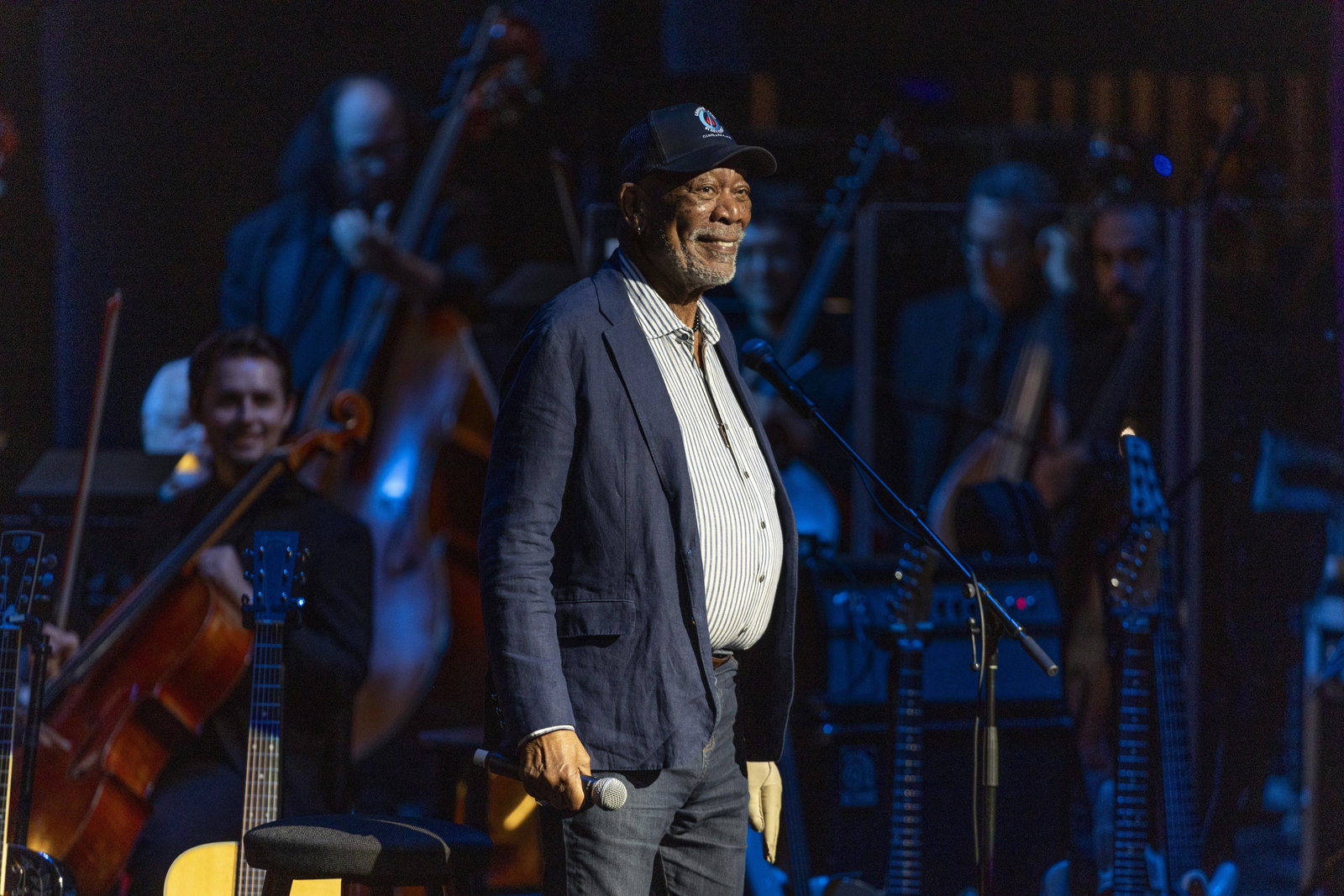
As Freeman explained to The New York Times, his candid remarks offer a rare look behind the curtain at the practical side of Hollywood. Rather than presenting filmmaking as a process driven solely by artistic ambition, he acknowledged that financial realities also influence the choices actors make throughout their careers.
His perspective also reflects decades of experience in the industry. A five-time Academy Award nominee and Oscar winner for Million Dollar Baby, Freeman has built one of Hollywood's most celebrated careers, making his honesty about the business side of acting all the more noteworthy.

At the same time, he was quick to point out that accepting a screenplay does not mean actors have to simply live with every flaw on the page.
Morgan Freeman believes scripts can still improve before filming begins
Morgan Freeman also stressed the fact that accepting a project does not necessarily mean overlooking every concern with the screenplay. Instead, he explained that actors often have opportunities to discuss issues with writers and filmmakers before cameras start rolling.
“Sometimes you can mention things that are in the script that don’t quite work out for you and by and large, that gets worked out,” he added.
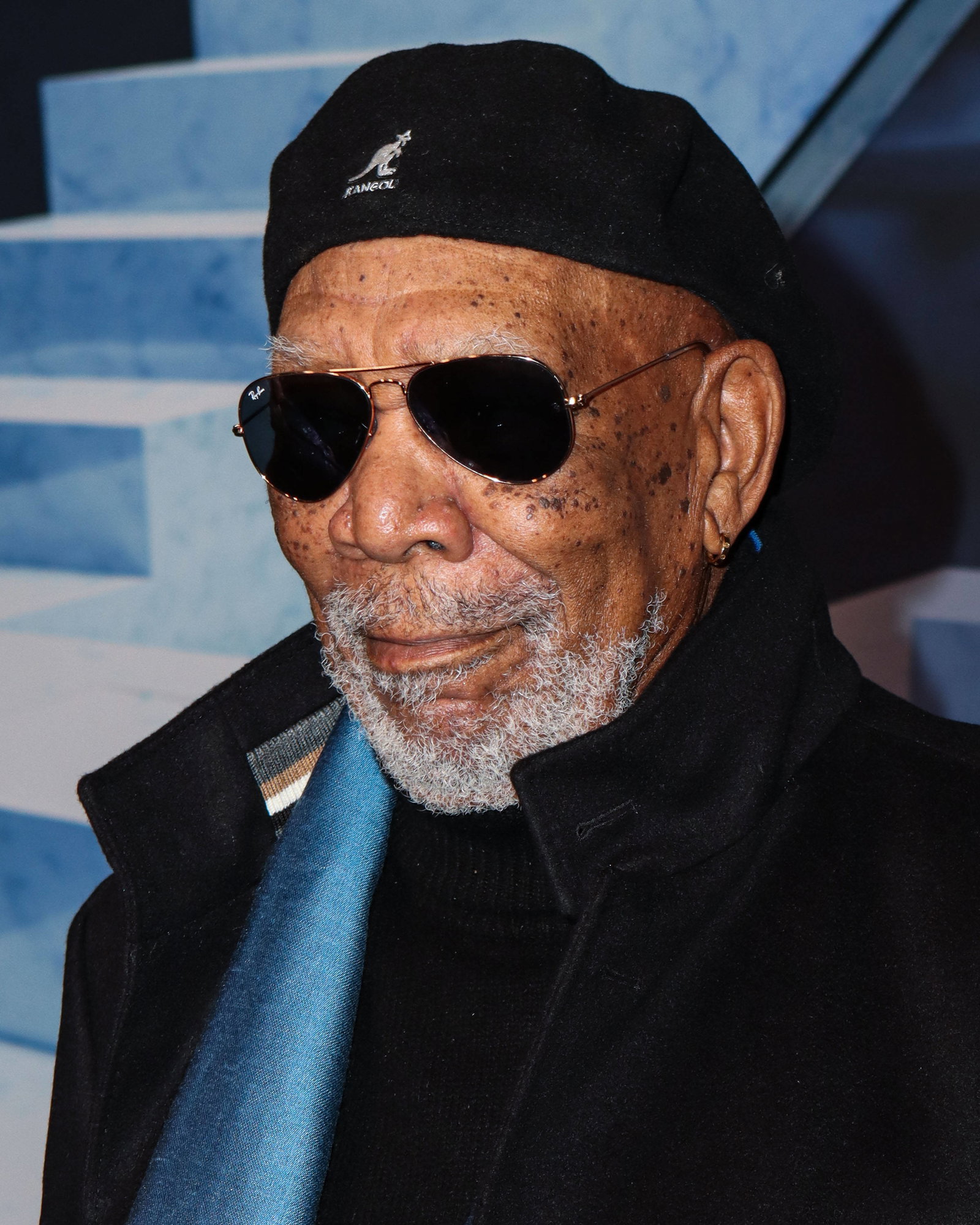
Taken together, Freeman's comments reveal a far more nuanced approach than simply chasing a paycheck. While he is realistic about the financial side of Hollywood, he also believes a screenplay is not set in stone, with actors often playing a role in shaping the final version before cameras begin rolling. Now approaching 90, Freeman has no intention of slowing down either, echoing Clint Eastwood's philosophy of "don't let the old man in" as he continues to embrace new roles. It is a fitting perspective from someone whose six-decade career has given him a front-row seat to how the industry really works.

Should great scripts always come before the paycheck for artists? Share your thoughts in the comments!

Edited By: Itti Mahajan
