
Why Is ‘Barbie 2’ Not Moving Ahead at Warner Bros.? Everything You Need to Know
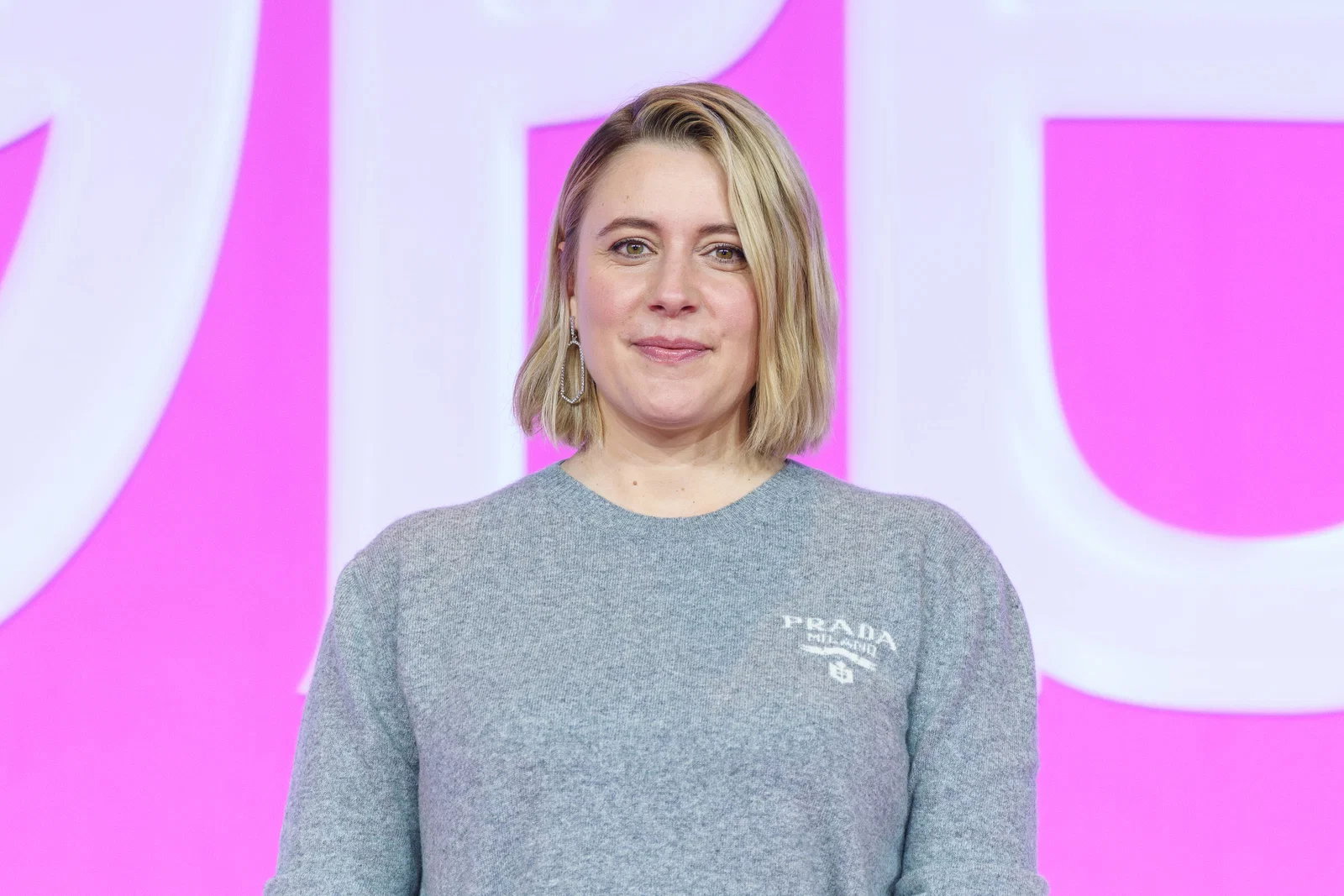
Barbie film press conference SEOUL, SOUTH KOREA, JUL 03: American director Greta Gerwig during Barbie film press confere
Barbie film press conference SEOUL, SOUTH KOREA, JUL 03: American director Greta Gerwig during Barbie film press confere
Three years after Barbie turned a familiar fashion doll into one of the most unlikely cultural phenomena in recent Hollywood history, its future has suddenly become much less certain. The film did more than dominate the box office. It became a global conversation, transformed its stars into even bigger names, and gave Warner Bros. a franchise opportunity that seemed almost impossible to ignore.
Yet the road back to Barbieland has proved considerably more complicated than anyone might have expected. Behind the scenes, some of the biggest names attached to the original film are now at the center of a high-stakes Hollywood negotiation involving money, creative control, and a ticking clock.
And with the clock now running down, the fate of Barbie 2 has become one of the industry's most fascinating unresolved questions.
Why is Barbie 2 unable to move forward?
Warner Bros. is struggling to get Barbie 2 moving because the studio could not reach new agreements with the principal creative team from the first film, including director Greta Gerwig, co-writer Noah Baumbach, star Margot Robbie, and Ryan Gosling. The negotiations have been underway for months, with the studio making multiple offers, but no deal has been reached.
That is particularly striking because the original Barbie was not merely successful. It became Warner Bros.' highest-grossing film ever, earning roughly $1.5 billion worldwide and receiving eight Oscar nominations. Gerwig also became the most successful woman director at the global box office after the film's extraordinary run.
“We have a rights deal with Mattel in place and have made a series of big offers to try to finalize deals to make the next Barbie film...Unfortunately, we have been unable to reach an agreement thus far,” Warner Bros. film chiefs Michael De Luca and Pamela Abdy said, according to The New York Times.
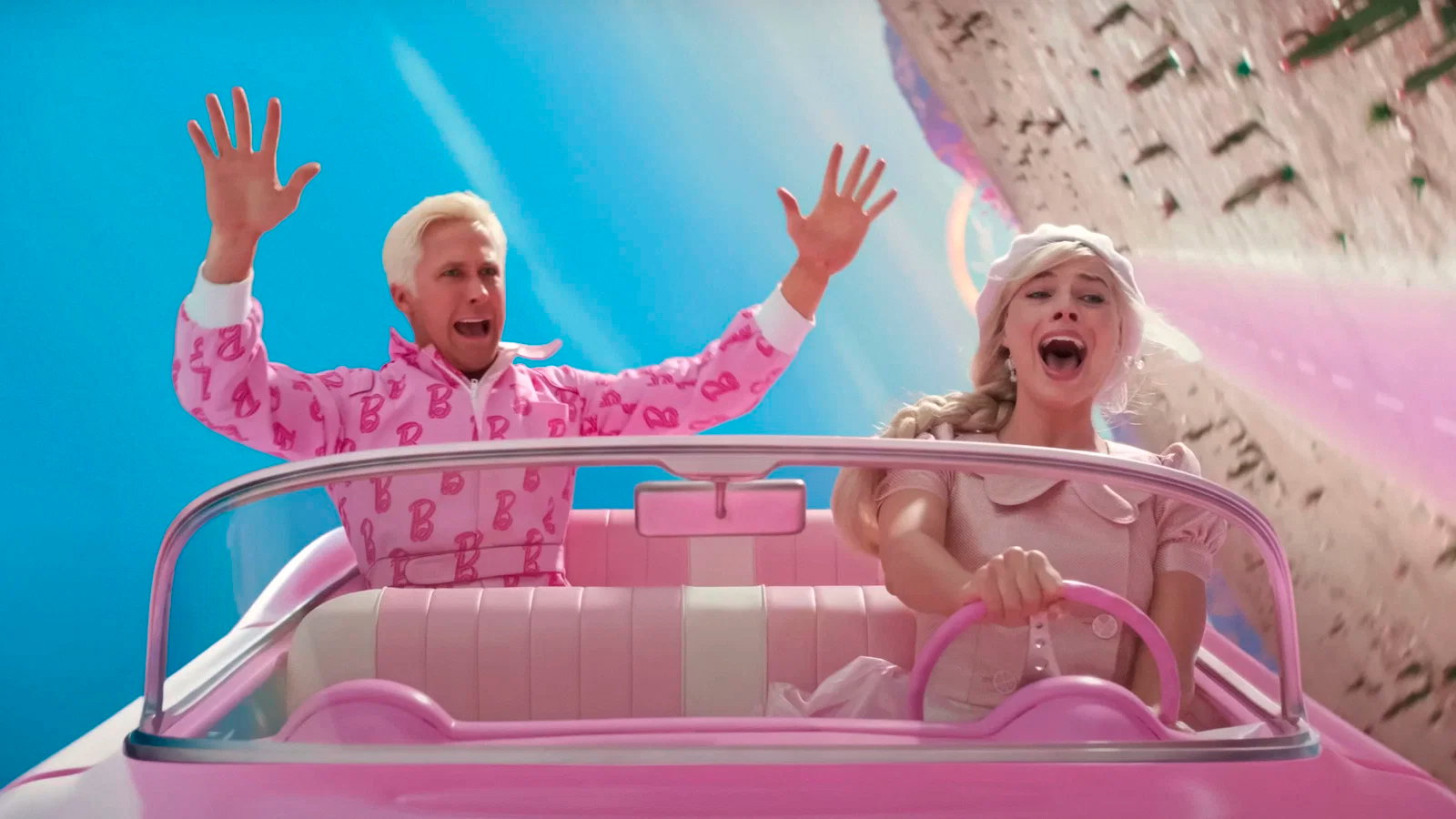
MARGOT ROBBIE and RYAN GOSLING in BARBIE, 2023, directed by GRETA GERWIG. Copyright WARNER BROS.
MARGOT ROBBIE and RYAN GOSLING in BARBIE, 2023, directed by GRETA GERWIG. Copyright WARNER BROS.
According to a report by The New York Times, the latest offer was made in May, but the representatives for the creative team declined it and have not submitted a counteroffer. Warner Bros. has disputed the suggestion that CEO David Zaslav personally rejected terms already agreed upon by the studio's film executives, while sources familiar with the negotiations have described Zaslav as the central obstacle to the size of the proposed compensation.
Warner Bros. has reportedly made more than six offers over the past three years, with the latest proposal described by a studio source as the biggest package the company has ever offered a filmmaking team and its stars. Another source disputed that characterization, arguing that while the combined package may be historic, the individual deals are not necessarily unprecedented.
That disagreement matters because the financial stakes are enormous on both sides. Ryan Gosling is reportedly seeking $20 million to return as Ken, while the four members of the creative team are seeking higher upfront compensation and, in most cases, more lucrative backend participation. Robbie reportedly earned around $50 million in salary and backend compensation from the first Barbie, while Gerwig also made tens of millions from the film.
The studio, meanwhile, is being asked to commit substantially more money to a sequel that could take years to develop and produce. But unlike most expensive franchise negotiations, Warner Bros. is not simply negotiating over a successful property. It is negotiating with the people who helped turn that property into a $1.5 billion phenomenon in the first place.
And that is where the situation becomes even more complicated, because Warner Bros. does not have unlimited time to decide how much Barbie is worth.
Warner Bros. has a deadline to save the sequel
The biggest problem facing Warner Bros. is not simply that negotiations have stalled. There is a deadline attached to the rights. If the studio does not finalize the necessary agreements and put the sequel into active development by December, the rights to Barbie will revert to Mattel.
That gives the negotiations an unusual sense of urgency. Warner Bros. has already secured its rights arrangement with Mattel, but the studio still needs to lock down the people who made the original film what it became. If that does not happen in time, Mattel would have to start over rather than simply taking Gerwig's version of Barbie to another studio.
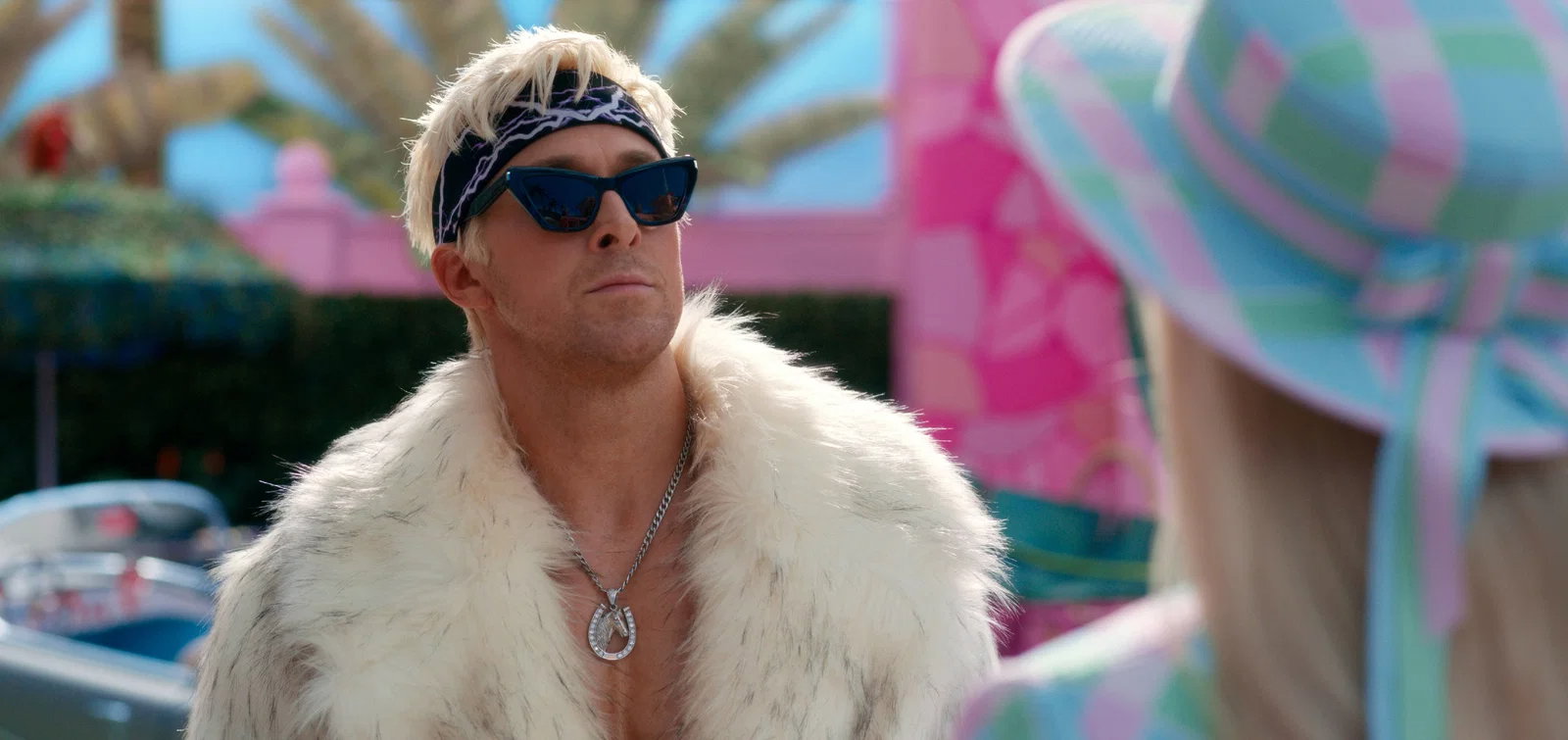
Ryan Gosling, Barbie (2023). Photo credit: Warner Bros. PUBLICATIONxINxGERxSUIxAUTxONLY Copyright: xx 34529-025THA The H
Ryan Gosling, Barbie (2023). Photo credit: Warner Bros. PUBLICATIONxINxGERxSUIxAUTxONLY Copyright: xx 34529-025THA The H
The situation is particularly awkward because the original contracts did not require Gerwig, Baumbach, Robbie, or Gosling to make a sequel. According to The New York Times, the four were not given sequel obligations when they signed on for the first film. Warner Bros. effectively took a calculated risk, choosing to secure Gerwig to make the original without insisting on a contractual guarantee that she would return for another installment.
At the time, that risk may have seemed reasonable. Greta Gerwig had not yet directed a major piece of intellectual property, and nobody knew that Barbie would become the biggest film in Warner Bros. history. Three years later, the economics look very different. Gerwig and Baumbach are now said to have a story for the sequel already in mind, and that detail may be the most significant piece of leverage in the entire negotiation. They are reportedly ready to begin writing, but they will not reveal the idea or start work until their agreements are finalized. So Warner Bros. is not simply trying to convince four people to return.
It is trying to secure the only version of Barbie 2 that currently exists before the clock runs out.
When could Barbie 2 actually happen?
Even if Warner Bros. manages to resolve the negotiations before the December deadline, Barbie 2 would still be several years away. The contracts are only the first hurdle. Greta Gerwig is currently finishing Netflix’s Narnia: The Magician’s Nephew, while Margot Robbie and Ryan Gosling also have major projects ahead, making the eventual production schedule difficult to pin down.
The delay is therefore not simply about getting everyone to sign on the dotted line. Once the deals are finalized, the filmmakers would still need to develop the screenplay, prepare the production and eventually shoot the movie. That means the December deadline is less about getting Barbie 2 into theaters and more about determining whether this version of the sequel can exist at all.
For Warner Bros., that distinction is crucial. The studio is not facing the possibility of losing a film that could be released next year. It is facing the possibility of losing the creative continuation of a movie that generated approximately $1.5 billion worldwide, became the highest-grossing film in the company's history and turned its cast and filmmakers into an unusually valuable package.
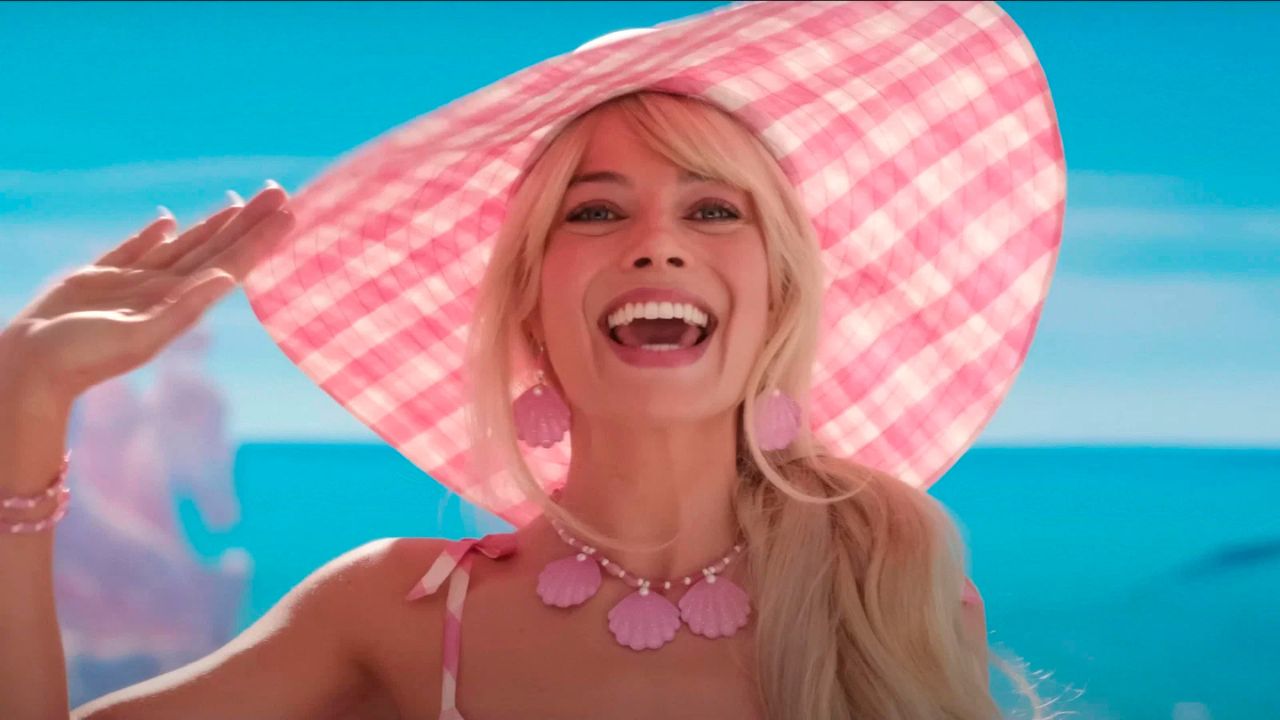
MARGOT ROBBIE in BARBIE, 2023, directed by GRETA GERWIG. Copyright WARNER BROS.
MARGOT ROBBIE in BARBIE, 2023, directed by GRETA GERWIG. Copyright WARNER BROS.
There is also the broader business context. Warner Bros. is navigating a period of uncertainty as its proposed merger with Paramount faces regulatory challenges, while the studio's recent theatrical performance has been less consistent than its extraordinary 2025 run. A Barbie sequel could therefore represent more than another successful franchise installment. It could provide a major piece of stability for a studio looking to rebuild its theatrical slate around proven properties.
Mattel, meanwhile, has its own reasons to want the situation resolved. The company benefited enormously from the cultural impact of the first movie and has been pursuing a broader Hollywood strategy around its intellectual property. But if the Warner Bros. arrangement expires, it would have to rebuild Barbie from the ground up rather than simply continue Gerwig's version.
That leaves all the major players with something to lose. Warner Bros. risks losing the filmmakers who made Barbie a phenomenon. Mattel risks having to restart its biggest Hollywood success. And the creative team has to decide how much control and compensation are worth holding out for. For now, the most anticipated sequel in Warner Bros.' history remains stuck in a negotiation — and the December deadline is getting closer.
Barbie 2 is not dead yet. In fact, the unusual part of this story is that virtually every ingredient for another blockbuster appears to be there: a proven $1.5 billion franchise, an audience that knows the characters, filmmakers with a story they want to tell and a studio with every financial reason to make it happen. The question is whether Warner Bros. and the talent can agree on the price before time runs out.

Will Warner Bros. and the Barbie team finally reach a deal before the December deadline, or are we watching the sequel slip away? Let us know your thoughts in the comments!

Edited By: Itti Mahajan
