
Who Was Lane Frost? Inside the Life and Tragic Death of the Legendary Bull Rider
Credits: Tough Draw
Credits: Tough Draw
Some athletes are remembered for the records they set. Others become legends because of the way they carried themselves long after the final whistle. In the world of professional rodeo, Lane Frost belongs firmly in the latter category. More than three decades after his death, his name continues to resonate with fans, riders, and an entire sport that still speaks of him with remarkable admiration.
For those discovering his story today, Lane Frost was far more than a world champion bull rider. He represented a generation of cowboys who viewed rodeo not just as a competition, but as a way of life built on courage, humility, friendship, and an unwavering commitment to chasing a dream, no matter the risks involved.
His life was tragically cut short at just 25 years old, yet the impact he left behind has only grown stronger with time. From championship arenas to Hollywood adaptations and a new generation of documentaries exploring his legacy, Frost's story continues to captivate audiences who want to understand not only how he died, but why he remains one of rodeo's most beloved figures.
ADVERTISEMENT
Article continues below this ad
Lane Frost became one of bull riding's brightest young stars
Long before he became one of rodeo's biggest names, Lane Clyde Frost was simply a young boy who dreamed of riding bulls. Born on October 12, 1963, in La Junta, Colorado, he grew up in a family where rodeo was not a weekend hobby—it was woven into everyday life. His father, Clyde Frost, was a respected rodeo competitor, and the sport quickly became part of Lane's identity from an early age.
While most children were still learning playground games, Lane was already climbing onto calves. He rode his first calf at just five years old, and as the years passed, what began as childhood excitement steadily transformed into extraordinary talent. By the time he was competing in youth rodeos, people around him had already begun to recognize that he possessed something difficult to teach: an instinctive understanding of the arena combined with a fearlessness that never overshadowed his respect for the animals or the sport itself.
His teenage years only reinforced that promise. Under the mentorship of legendary bull rider Freckles Brown, Frost developed into a polished competitor while earning a reputation for qualities that had little to do with winning. Fellow riders remembered him as approachable, generous, and quick with a smile, someone who treated rookies and veterans with the same level of respect. Those relationships would become just as important as his achievements, especially his close friendship with future world champion Tuff Hedeman, whose bond with Frost became one of rodeo's most enduring friendships.
Turning professional in the early 1980s, Frost wasted little time proving he belonged among the sport's elite. Year after year, he climbed the Professional Rodeo Cowboys Association rankings, qualifying for the National Finals Rodeo five consecutive times between 1983 and 1988. The breakthrough finally arrived in 1987, when he captured the PRCA World Championship in bull riding—a lifelong dream fulfilled through years of relentless dedication rather than overnight success.
What made Frost's rise even more remarkable was the consistency with which he performed against some of the toughest bulls in professional rodeo. Bull riding demands split-second decision-making, exceptional balance, and the ability to stay composed atop an animal weighing well over a ton while anticipating every twist, kick, and sudden change of direction. Frost earned a reputation for making those impossible moments appear almost effortless, a quality that separated elite riders from champions and helped cement his standing as one of the sport's defining competitors of the 1980s.
Yet those closest to him often insist that the championship buckle tells only part of the story. Away from the arena, Frost married barrel racer Kellie Kyle in 1984, forming one of rodeo's most recognizable couples. Fans admired his willingness to stop for autographs, encourage younger riders, and embrace the camaraderie that defined rodeo culture. Even as his reputation grew across the country, he never developed the larger-than-life ego that often accompanies sporting fame. Instead, he became known as someone who cared as much about the people around him as he did about the scoreboard.

That combination of talent and character helped explain why Lane Frost's popularity extended far beyond his victories. Championships earned him respect, but it was his personality that earned him lifelong admiration. By the summer of 1989, he had already cemented his place among the sport's finest competitors. Nobody could have imagined that one ride at Cheyenne Frontier Days would transform his story from that of a champion into one of the most enduring legacies in American rodeo.
Lane Frost's final ride ended in a tragedy that stunned the rodeo world
On July 30, 1989, Lane Frost arrived at Cheyenne Frontier Days in Wyoming to compete in what was expected to be another stop on his already remarkable career. The event was one of rodeo's biggest stages, attracting many of the sport's top competitors and thousands of fans. Nothing about that day suggested it would become one of the most heartbreaking moments in rodeo history.
Frost was matched with a bull named Takin' Care of Business, and when the chute gate opened, he delivered exactly what spectators had come to expect. He completed the required eight-second ride successfully, earning a score and safely dismounting after the buzzer. For a brief moment, it appeared to be just another impressive performance from one of the sport's biggest stars.
The danger came only after the ride had officially ended. As Frost moved away from the bull, the animal unexpectedly turned back toward him. One of its horns struck Frost in the right side of his back, breaking several ribs. While the impact initially didn't appear catastrophic, the horn had severed a major blood vessel, causing massive internal bleeding. Frost remained conscious for a short time before collapsing, and despite immediate medical attention and emergency surgery, he died later that day at just 25 years old.
News of Frost's death spread quickly throughout the rodeo community, leaving fellow competitors, friends, and fans in disbelief. Among those most deeply affected was his best friend, Tuff Hedeman, who had been competing alongside him for years. The loss extended far beyond the arena, marking one of the darkest days the sport had ever experienced and forever changing the lives of those closest to him.

Yet while July 30, 1989, marked the heartbreaking end of Lane Frost's life, it was far from the end of his story. In the years that followed, fellow riders, friends, and fans refused to let his memory fade, ensuring that the cowboy who had inspired so many inside the arena would continue inspiring generations long after his final ride.
Lane Frost's legacy continues to inspire new generations decades later
For many athletes, legacy is measured by championships and records. Lane Frost certainly had those accomplishments, but the reason he continues to be remembered decades later goes much deeper. Friends, family, and fellow riders have consistently described him as someone whose kindness, humility, and unwavering character left as lasting an impression as anything he accomplished atop a bull.
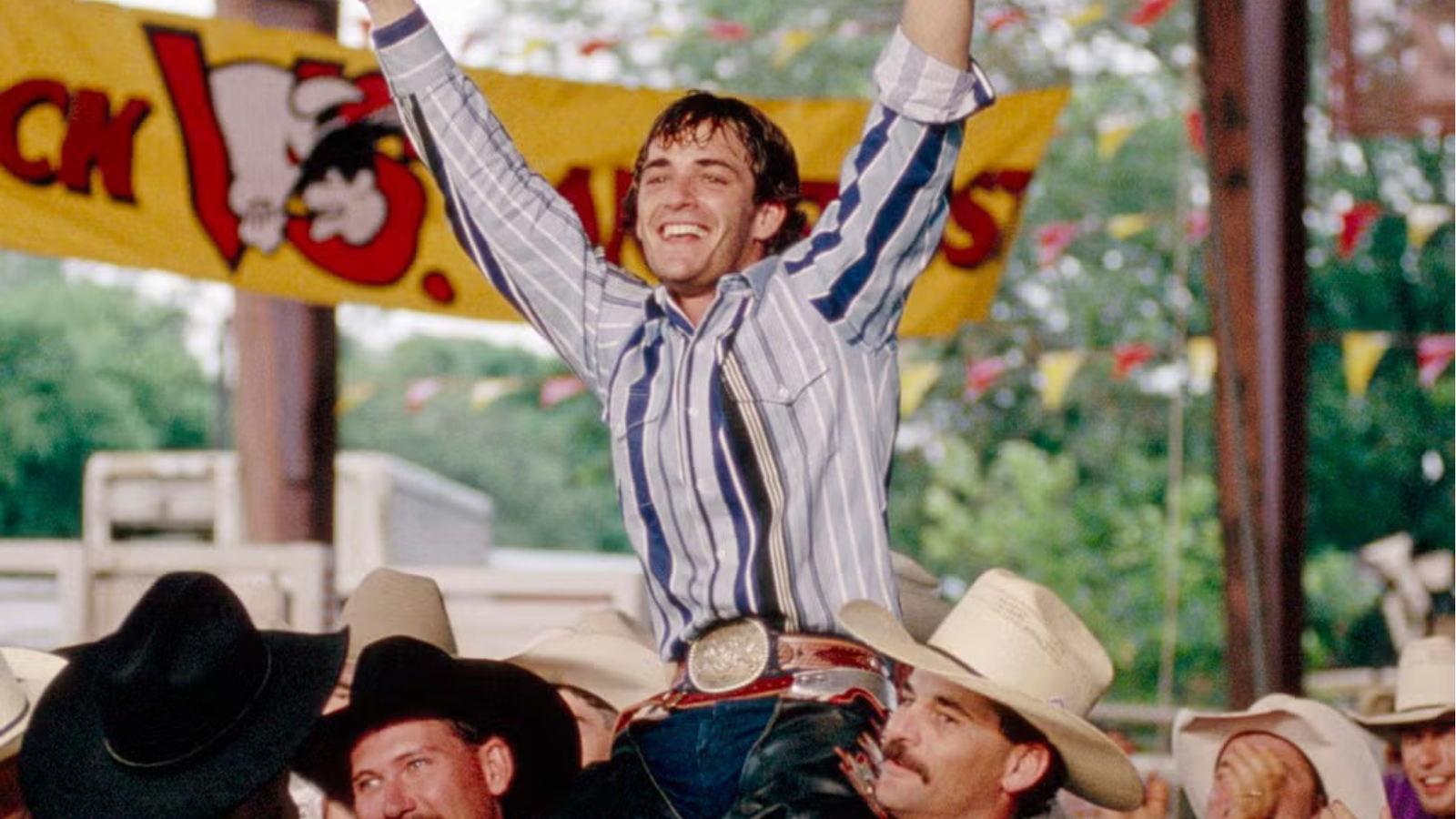
That legacy reached audiences beyond the rodeo world in 1994 with the release of 8 Seconds, the biographical film chronicling Frost's life, career, and friendship with Tuff Hedeman. For countless viewers, the film became their introduction to the cowboy whose story ended far too soon. Yet those closest to Frost have long believed there was even more to his life than what could fit into a Hollywood feature.
Credit: New Line Cinema
Credit: New Line Cinema
ADVERTISEMENT
Article continues below this ad
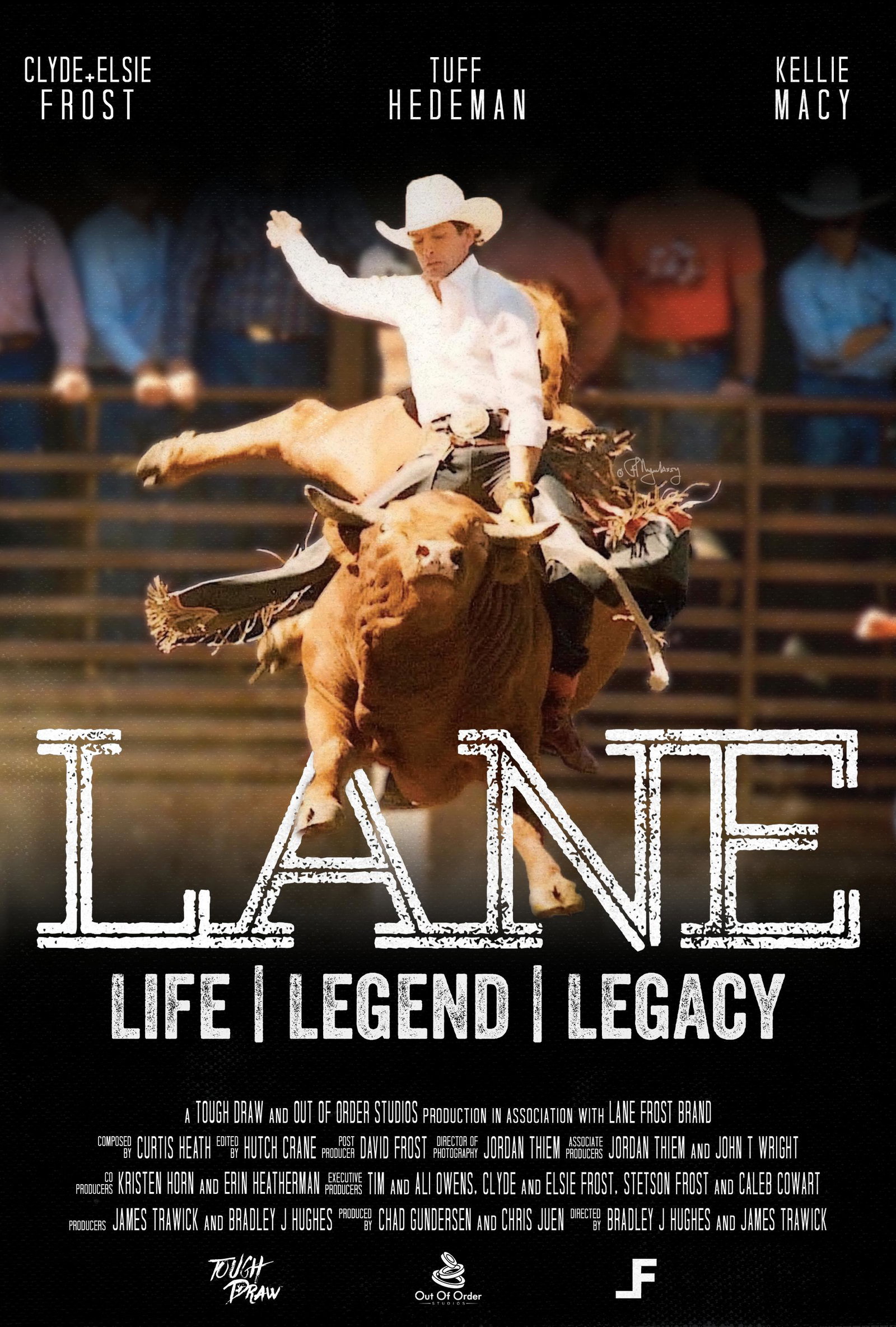
That belief inspired the 2024 documentary LANE: Life | Legend | Legacy. Created with the full support of the Frost family, the film brings together Lane's parents, Clyde and Elsie Frost, his nephew Stetson Frost, Tuff Hedeman, and several respected voices from the rodeo community to paint a more complete portrait of the man behind the championship buckle. Rather than simply revisiting the tragedy that claimed his life, the documentary explores the values, relationships, and quiet acts of generosity that defined his character and continue to influence Western culture today.
Its filmmakers set out to answer a question that has echoed through rodeo for more than three decades: how did one young cowboy leave such a profound and enduring impact on so many people? Their conclusion is reflected throughout the documentary—that Lane Frost's greatest legacy was not built solely on courage inside the arena, but on the compassion, integrity, and selflessness he showed outside of it. It is why his story continues to resonate with lifelong rodeo fans and first-time audiences alike, proving that while champions are remembered for what they achieve, legends are remembered for the lives they change.
ADVERTISEMENT
Article continues below this ad
What do you admire most about Lane Frost's incredible legacy? Let us know your thoughts in the comments!
ADVERTISEMENT

Edited By: Aliza Siddiqui
ADVERTISEMENT
ADVERTISEMENT
