
Sadie Sink vs Tom Holland: Whose Romeo and Juliet Is Best? Who Truly Aced the Shakespearean Test?
via Imago
Credits: Imago
William Shakespeare’s Romeo and Juliet follows two teenagers caught in a deadly family feud who risk everything for a forbidden, whirlwind romance. This timeless tragedy of fate and passion was recently reimagined twice on the West End: first by Tom Holland in a hyper-minimalist May 2024 production, and later by Sadie Sink in a fiercely emotional March 2026 revival. Now, this theatrical showdown has taken on a fascinating angle. With Holland and Sink now co-starring on the big screen in Marvel’s Spider-Man: Brand New Day, their off-screen artistic rivalry has taken on a whole new dimension.
As they transition from sharing the classic Shakespearean mantle to navigating the Marvel Cinematic Universe together, there is no better moment to analyze who truly aced the ultimate Shakespearean test.
The chemistry test for Sadie Sink vs. Tom Holland's Romeo and Juliet on West End
ADVERTISEMENT
Article continues below this ad
The true measure of any Romeo and Juliet adaptation lies in the believability of its central romance. This is where Robert Icke’s 2026 production completely outshines Jamie Lloyd’s 2024 vision. In the 2024 version, Tom Holland and Francesca Amewudah-Rivers were trapped in a hyper-stylized environment. They were made to deliver their declarations of love into static microphone stands while staring straight ahead at the audience rather than looking at each other. This artistic restraint made their connection feel frustratingly distant, clinical, and emotionally cold.
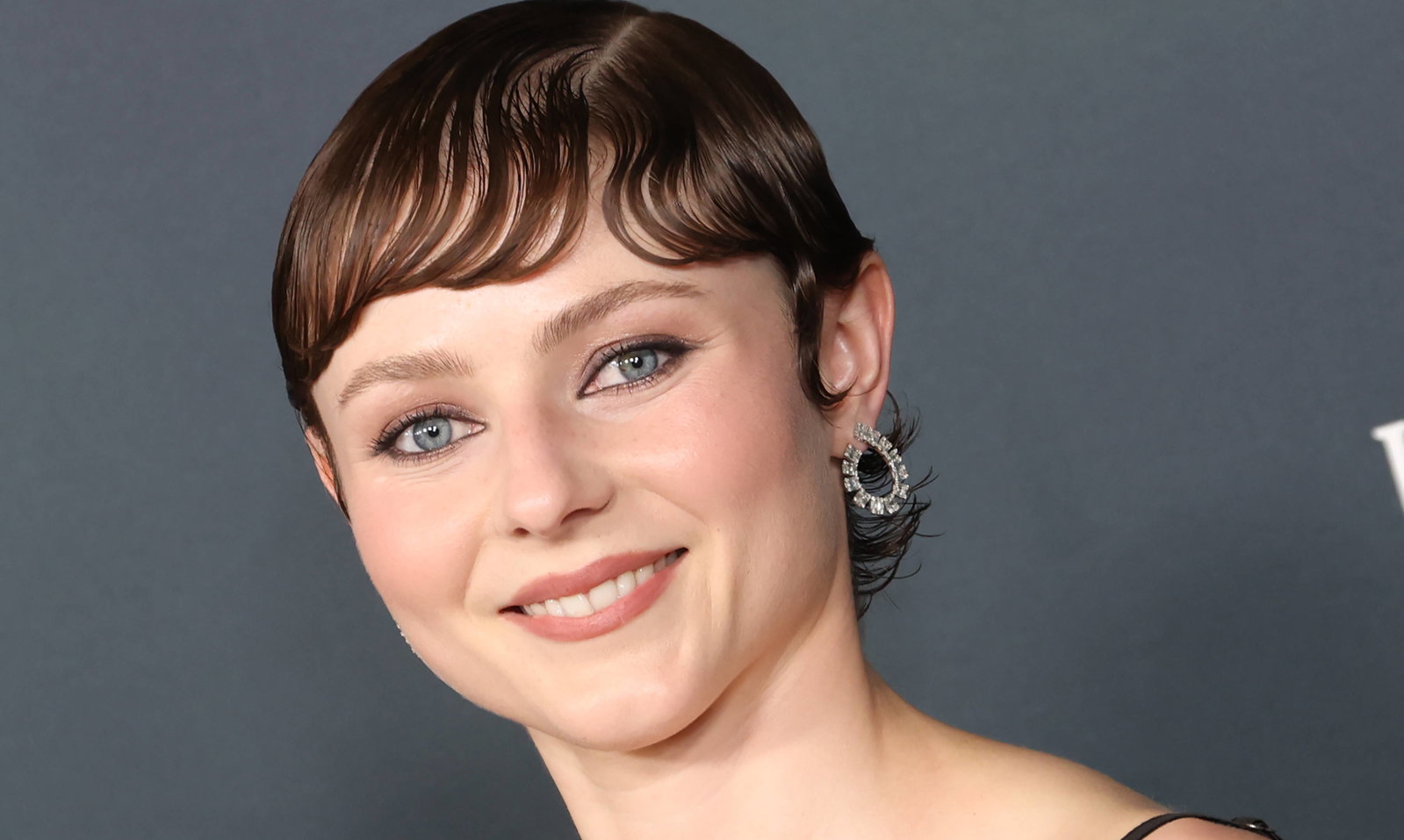
February 22, 2026, London, United Kingdom: Sadie Sink attends the EE BAFTA Film Awards 2026 held at the Royal Festival Hall, London. London United Kingdom - ZUMAs197 20260222_aaa_s197_1128 Copyright: xMarioxMitsisx
February 22, 2026, London, United Kingdom: Sadie Sink attends the EE BAFTA Film Awards 2026 held at the Royal Festival Hall, London. London United Kingdom - ZUMAs197 20260222_aaa_s197_1128 Copyright: xMarioxMitsisx
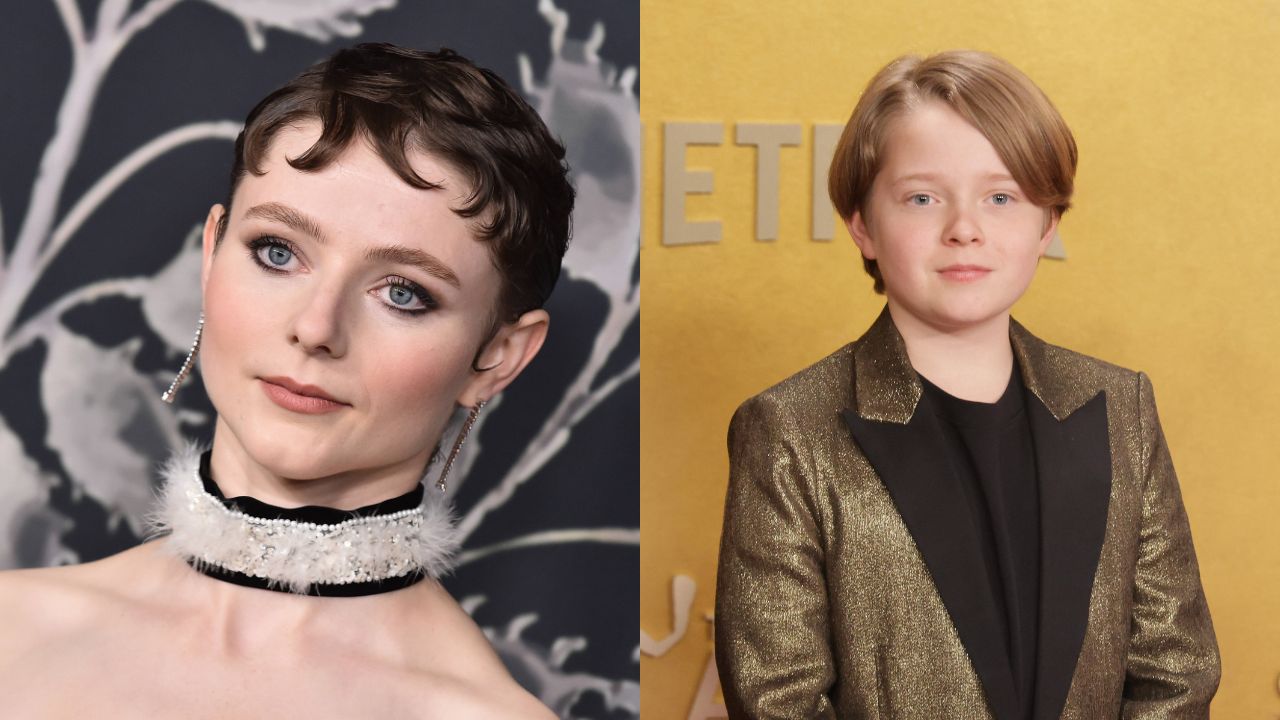
Conversely, Sadie Sink and Noah Jupe were allowed to unleash a raw, unfiltered, and deeply physical passion. Their chemistry felt wonderfully messy and authentic to actual adolescent infatuation, characterized by fumbling touches, unscripted kisses, and breathless, kinetic energy. They lived it through reckless, youthful vulnerability. By prioritizing genuine human connection over rigid, avant-garde staging concepts, Sink’s production effortlessly wins this round.

It successfully makes the audience feel the devastating, intoxicating stakes of first love, proving that raw emotional chemistry will always triumph over technical detachment on the theatrical stage.
Staging and visual innovation of the Romeo and Juliets
While Sadie Sink’s version captures the story's emotional heart, Tom Holland’s 2024 production absolutely triumphs in the category of bold, avant-garde theatrical design. Director Jamie Lloyd strips away all traditional Elizabethan romance to build a stark, industrial playground made of bare concrete, heavy shadows, and monochrome streetwear. Instead of relying on a conventional set, this adaptation treats the stage like a live film set, utilizing giant video screens to beam hyper-focused, black-and-white close-ups of the actors' faces directly to the audience.
via Imago
Credits: Imago
This is where Holland’s version wins this round completely. While Robert Icke's staging for Sink relies on more familiar contemporary theater gimmicks like digital clocks and narrative rewinds, Lloyd’s production pushes boundaries through chilling audio-visual experimentation. The actors speak their declarations of love in quiet, amplified whispers directly into handheld microphones, creating an unsettlingly intimate sonic landscape. This creates a suffocating, modern dystopia where the ancient family grudge feels like an omnipresent, surveillance-state threat.
Narrative momentum and tragic pacing
A successful Shakespearean tragedy requires an escalating sense of dread, a feat that Robert Icke’s 2026 revival achieves flawlessly. The core criterion here is how effectively a production builds narrative momentum toward its catastrophic climax. In Jamie Lloyd’s 2024 adaptation, the pacing is intentionally flat and static. Actors stand in uniform lines, facing the audience to deliver tragic news with detached, uniform gravity. While this choice reinforces a sense of grim, unyielding fate, it ultimately drains the story of its urgency, making the final deaths feel more like a predictable, stylized mathematical conclusion than an active heartbreak.
via Imago
Credits: Imago
In stark contrast, Sink’s production weaponizes time to create a breathless, anxiety-inducing race against fate. Icke introduces an ominous, giant digital clock on stage that visibly counts down the mere days and hours the lovers have left together. This device heightens the velocity of their romance, emphasizing how rapidly adolescent choices spiral out of control. The crushing blow, however, arrives in the tomb scene. Through a devastating, altered timing device, Juliet awakens just as Romeo swallows the poison, allowing them one fleeting, agonizing second of conscious recognition before he dies.
Audio experimentation and sonic intimacy
The crucial criterion for this round is how a production uses sound design to reinvent classic text. Tom Holland’s 2024 revival wins this round completely by abandoning traditional theatrical projection for a radical, cinematic audio landscape. Director Jamie Lloyd strips away the acoustic expectations of the West End, forcing the actors to speak their lines directly into handheld microphones and headset body mics. This technical choice is where Holland absolutely shines.
While Sadie Sink’s 2026 production relies on standard theatrical acoustics, Holland’s version turns the play into a haunting, ASMR-like psychological experience.
via Imago
Credits: Imago
Every catch in his throat, shaky breath, and tearful quiver is magnified through a bass-heavy sound system, creating a raw, unparalleled intimacy. This audio setup perfectly captures a sense of youthful helplessness and isolation, making the ancient dialogue sound like modern internal monologues. By utilizing this filmic, mic-reliant delivery, Holland's version triumphs by pioneering a claustrophobic sonic world that standard stage acoustics simply cannot replicate, offering a brilliant masterclass in modern theatrical audio innovation.
Character interpretation and protagonist agency
The most defining criterion for the test is how effectively the production modernizes the lead character to give them genuine agency, transforming them from a passive victim of fate into an active force. This is where Sadie Sink’s 2026 performance completely outshines Tom Holland’s 2024 portrayal. In Holland's version, his Romeo is intentionally directed to be passive, soft-spoken, and structurally overwhelmed by the bleak, dystopian environment around him. While this effectively highlights the character's youthful vulnerability, it often leaves Romeo feeling like a leaf caught in a tragic wind, lacking the driving energy required to command the stage.
via Imago
Credits: Imago
In stark contrast, Sink delivers a fierce, powerhouse portrayal that completely redefines Juliet for a contemporary audience. Her Juliet possesses a manic, roiling teenage angst and a razor-sharp intellect. She actively drives the narrative forward, making bold, calculated choices rather than merely reacting to the mistakes of the men around her. Sink infuses the verse with a gritty, modern defiance that makes her rebellion against her family feel deeply justified and intensely personal.
ADVERTISEMENT
Article continues below this ad
By prioritizing a protagonist with fierce independence and emotional gravity, Sink’s production effortlessly wins this round, offering a captivating masterclass in character agency.
Ultimately, Sadie Sink’s production wins because it preserves the play’s emotional heart. While Tom Holland’s version delivers brilliant visual and audio experimentation, it sacrifices romantic warmth for an icy aesthetic. By marrying narrative momentum and fierce protagonist agency with palpable, electric chemistry, Sink delivers a deeply moving romance. This balance of theatrical innovation and raw vulnerability creates a far more complete, resonant, and triumphant theatrical experience, acing this Shakespearean test.

ADVERTISEMENT
Article continues below this ad
Which production do you think aced the ultimate Shakespearean test? Let us know in the comments below!
ADVERTISEMENT

Edited By: Adiba Nizami
More from Netflix Junkie on Hollywood News



ADVERTISEMENT