
Missing 'Stranger Things'? Netflix’s New Fantasy K-Drama Could Be Your Next Binge
Netflix Logo, Schriftzug, auf einem PC Monitor betrachtet No property release, No Trademark rights am 20.04.2022 in Siegen Deutschland. *** Netflix logo, lettering, viewed on a PC monitor No property release, No Trademark rights on 20 04 2022 in Siegen Germany
Netflix Logo, Schriftzug, auf einem PC Monitor betrachtet No property release, No Trademark rights am 20.04.2022 in Siegen Deutschland. *** Netflix logo, lettering, viewed on a PC monitor No property release, No Trademark rights on 20 04 2022 in Siegen Germany
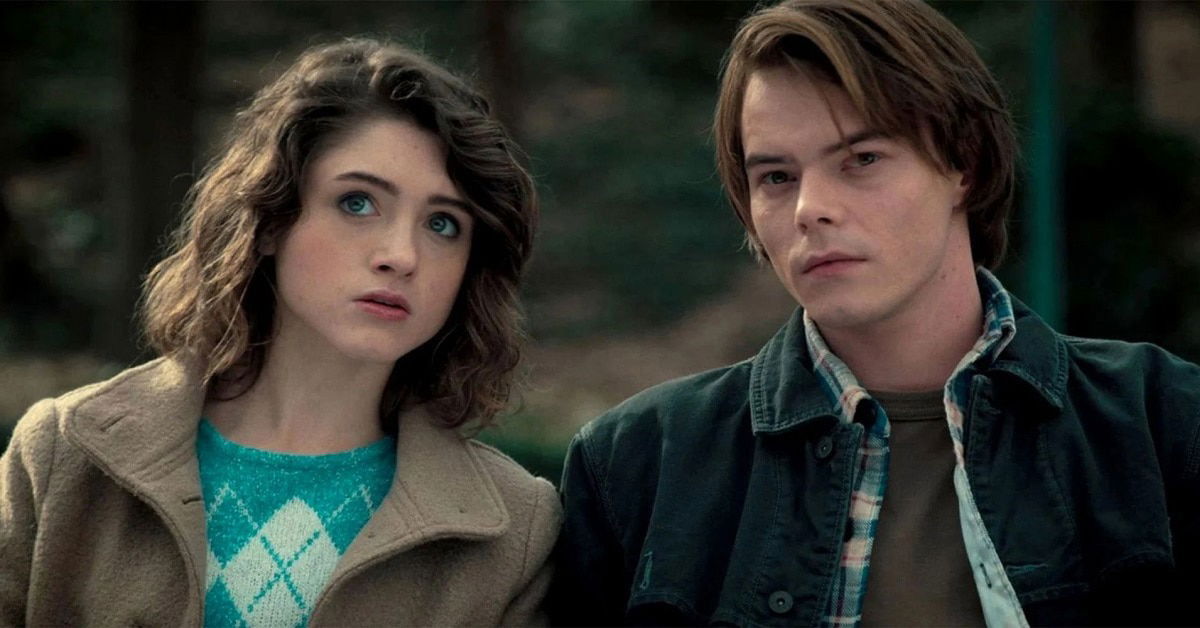
Ever since Stranger Things became one of Netflix's biggest global phenomena, the streamer has continued searching for its next breakout fantasy series. While the beloved sci-fi drama officially concluded its story early this year, fans have been left looking for another show capable of delivering the same blend of supernatural mystery, compelling world-building and unforgettable creatures.
Netflix has certainly expanded its catalogue with fantasy and horror titles from around the world, particularly from South Korea, where K-dramas have become a major force on the platform. Yet despite the growing selection, only a handful have captured the eerie sense of discovery and layered mythology that made Stranger Things such a cultural phenomenon.
Now, Netflix's latest fantasy K-drama, The East Palace, is quietly emerging as a worthy recommendation. Set in Korea's Joseon era and deeply rooted in Korean folklore, the eight-episode series shares more with Stranger Things than its historical setting might initially suggest.
ADVERTISEMENT
Article continues below this ad
The East Palace has its own version of Stranger Things' Upside Down
One of the biggest similarities between Stranger Things and The East Palace lies in their hidden supernatural worlds. Just as Stranger Things introduced viewers to the terrifying Upside Down, The East Palace revolves around the mysterious Realm of Gwi, a parallel dimension inhabited by dangerous spirits that continually threaten the human world.
The story follows Gu-cheon, a ghost hunter who gained the ability to cross into the Realm of Gwi after surviving a near-death experience as a child. As he investigates a series of hauntings inside the royal palace alongside court lady Saeng-gang, he repeatedly ventures into the spirit realm to uncover the truth behind the growing supernatural disturbances.
Rather than simply recreating Stranger Things' formula, The East Palace gives the concept its own identity through Korean mythology. The Realm of Gwi features eerie orange-tinted landscapes filled with spirits inspired by centuries of folklore, creating a visually striking alternative to the Upside Down while maintaining the same sense of mystery and constant danger. Even Gu-cheon's method of entering the realm—recreating the drowning incident that first connected him to it—adds another unique spin to the idea of crossing between worlds.
Unlike the Upside Down, however, the Realm of Gwi is not simply another dimension inhabited by monsters. It operates according to its own spiritual rules, with each ghost's form and abilities shaped by the resentment or unfinished business that binds it to the human world. But the hidden realm is not the only reason The East Palace feels tailor-made for Stranger Things fans.
The monsters and mythology of The East Palace make it an easy recommendation
Much like Stranger Things gradually expanded its mythology with creatures such as the Demogorgon, Demodogs and the Mind Flayer, The East Palace builds an elaborate supernatural ecosystem of its own. The series introduces several categories of spirits collectively known as gwi-shin, ranging from harmless common-gwi to vengeful won-gwi and the far more dangerous ak-gwi, while also introducing unique entities born entirely from negative energy.
Beyond the creatures themselves, the series grounds its supernatural conflicts in human actions. Many of the palace's hauntings stem from long-buried injustices committed by those in power, forcing Gu-cheon to confront both monstrous spirits and the consequences of humanity's own cruelty. Armed with peach wood branches capable of harming the gwi-shin, he faces increasingly inventive supernatural threats throughout the investigation, balancing horror, action and palace intrigue across the show's eight episodes.
via Imago
Credits: Imago
While Stranger Things draws much of its identity from 1980s America and coming-of-age friendships, The East Palace finds its strength in Korean history and folklore. Set during the Joseon Dynasty, the series blends palace politics, royal conspiracies and spiritual beliefs into its supernatural mystery, giving viewers a fantasy world that feels both culturally distinct and richly detailed. Rather than relying solely on jump scares or monster encounters, the show gradually expands its mythology through centuries-old legends and traditions, allowing its ghost stories to feel like an organic extension of its historical setting. The result is a fantasy series that feels familiar in structure but refreshingly original in execution.
ADVERTISEMENT
Article continues below this ad
Like Stranger Things, where many of Hawkins' greatest dangers emerged through human interference, The East Palace explores how greed, corruption and hidden truths can give rise to horrors far greater than any monster. The result is a richly layered fantasy series that feels fresh while offering many of the qualities longtime Stranger Things viewers have come to appreciate.
Whether Netflix ultimately continues The East Palace beyond its first season remains uncertain, but the series leaves behind enough mythology and unanswered questions to justify further adventures. For viewers still searching for a fantasy drama that captures the same sense of mystery, supernatural spectacle and immersive world-building that made Stranger Things so compelling, this Korean drama could be the perfect next binge. The positive reception has only strengthened its case as a must-watch, with The East Palace currently boasting a 100% score on Rotten Tomatoes and a 7.5/10 IMDb rating. Combined with its rich mythology, supernatural mystery and striking visuals, it's easy to see why the series is emerging as one of Netflix's standout fantasy releases of the year.
ADVERTISEMENT
Article continues below this ad
Have you watched The East Palace yet? Do you think it's a worthy recommendation for Stranger Things fans? Share your thoughts in the comments!
ADVERTISEMENT

Edited By: Aliza Siddiqui
More from Netflix Junkie on Hollywood News






ADVERTISEMENT