
How Marcia Lucas Saved George Lucas' 'Star Wars' and Became a Key Collaborator for Martin Scorsese
Marcia Lucas/@lucasfilm via Instagram
Marcia Lucas/@lucasfilm via Instagram
Long before the Star Wars franchise became a cultural force, Marcia Lucas played a major role in shaping some of its most emotionally defining moments while later becoming a trusted collaborator on several Martin Scorsese films. Now, this very Oscar-winning editor, widely regarded as one of George Lucas’ secret creative weapons during the making of Star Wars, has died at the age of 80 following a battle with metastatic cancer. Though George Lucas became the public face of Star Wars, Marcia Lucas' work often remained behind the scenes, quietly shaping the storytelling choices that helped audiences emotionally connect with the saga.
Over time, conversations surrounding the franchise increasingly brought renewed attention to her contribution, with many film fans and historians revisiting just how central her instincts may have been to making the story resonate.
And while audiences remember Star Wars for lightsabers, space battles, and mythology, some of its most unforgettable moments reportedly worked because Marcia Lucas fought to make sure the emotions landed too.
ADVERTISEMENT
Article continues below this ad
How Marcia Lucas helped shape the emotional heart of Star Wars?
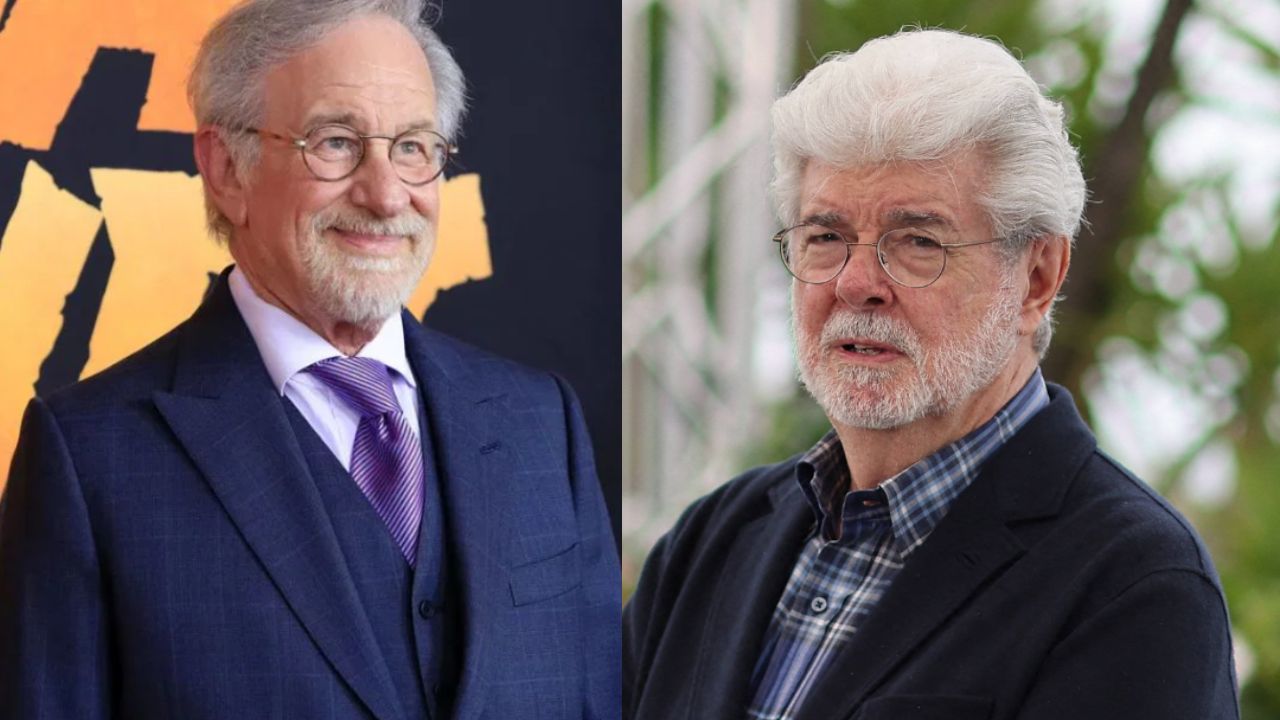
Before Star Wars became one of the biggest franchises in entertainment history, its early rough cut reportedly left several filmmaker friends unconvinced. According to stories revisited in later retrospectives, George Lucas screened an unfinished version for close collaborators, including Steven Spielberg and Brian De Palma, with the latter reportedly reacting harshly to a version struggling with pacing, clarity, and momentum. The film’s visual effects were unfinished, scenes dragged, and the emotional payoff had yet to fully click.
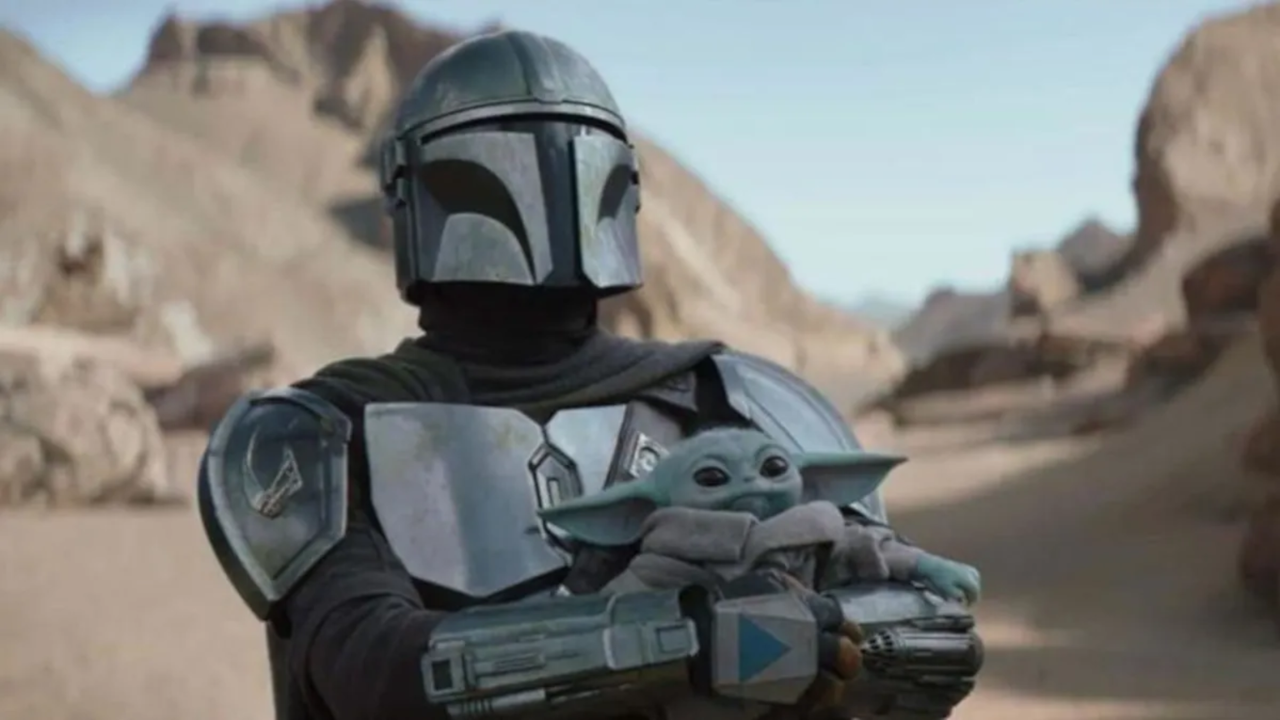
That is when Marcia Lucas, alongside editors Paul Hirsch and Richard Chew, became part of what many fans later viewed as an editorial rescue mission. According to TheWrap, Lucas personally took charge of editing the now-iconic Battle of Yavin sequence — the Death Star trench run that still stands as one of blockbuster cinema’s most suspenseful finales. Instead of spectacle alone, the sequence built momentum through emotional stakes, urgency, and payoff.
Her contribution also reportedly stretched beyond editing mechanics. According to material revisited by Upworthy, Marcia Lucas became one of George Lucas’ key creative sounding boards, often advocating for moments that emphasized emotional clarity. She famously insisted that audiences needed to cheer when Han Solo returned in the Millennium Falcon to rescue Luke Skywalker in the film’s climax, arguing that without that emotional payoff, “the picture doesn’t work.”
Years later, George Lucas would again credit Marcia for shaping the emotional beats in Return of the Jedi, particularly what he described as the film’s “dying and crying” scenes. For a franchise remembered for lasers and explosions, Marcia Lucas increasingly became associated with something quieter, making sure audiences cared deeply about the people underneath the mythology.

But while Star Wars made her name legendary, George Lucas was far from the only iconic filmmaker who came to rely on Marcia’s storytelling instincts.
Why Martin Scorsese kept bringing Marcia Lucas back?
Long before Star Wars changed cinema, Marcia Lucas had already begun building an impressive reputation in New Hollywood. After entering the industry through film archiving and later training with the Motion Picture Editors Guild, she worked under influential editor Verna Fields before contributing to Haskell Wexler’s Medium Cool, a film later preserved in the National Film Registry. Her rise inside Hollywood happened quietly, but filmmakers were already beginning to notice her instincts.
Martin Scorsese reportedly became so impressed by Marcia’s work on American Graffiti that he brought her aboard Alice Doesn’t Live Here Anymore, his first major studio feature. That collaboration soon grew into supervising editor work on Taxi Driver and later New York, New York, placing Marcia at the center of one of American cinema’s most creatively explosive eras. Rather than flashy cuts, her work often strengthened emotional rhythm, atmosphere, and character psychology — qualities that became central to Scorsese’s films.
At the same time, Marcia Lucas' filmography quietly expanded across multiple defining projects of the 1970s. She contributed to THX 1138, American Graffiti, Taxi Driver, and eventually Star Wars, helping shape films that would later influence generations of filmmakers. By the late 1970s, she had become something increasingly rare in Hollywood — an editor trusted by both George Lucas and Martin Scorsese during the peaks of their creative rise.
Still, some of Marcia Lucas’ most fascinating contributions happened away from the credits and outside the films audiences directly associate her with.
The overlooked decisions that quietly changed Hollywood films
Even on projects where she did not receive major public recognition, Marcia Lucas’ creative instincts reportedly left a lasting mark. During THX 1138, she later admitted she felt disconnected from George Lucas’ dystopian debut after many of her creative suggestions were dismissed — a sharp contrast to the trust he would later place in her during American Graffiti and Star Wars. That evolution in their creative relationship would quietly shape some of George Lucas’ most successful work.
Her influence also reportedly reached beyond films she officially edited. According to later tributes revisiting her career, Marcia pushed George Lucas to rethink the ending of Raiders of the Lost Ark, arguing the film lacked emotional closure because Marion was missing from its conclusion. George Lucas eventually reworked the ending, adding a more emotionally satisfying resolution to what later became one of cinema’s most beloved adventure films — a reminder of how closely creative decisions shaped his projects, from Indiana Jones to George Lucas’ alternate Star Wars plan.
ADVERTISEMENT
Article continues below this ad
“I love film editing...I have an innate ability to take good material and make it better, and to take bad material and make it fair.” Marcia once said to Time Magazine. Looking back at a career that stretched from Taxi Driver to Star Wars, it is difficult not to see that belief reflected in many of the films audiences still celebrate today.
ADVERTISEMENT
Article continues below this ad
Which Marcia Lucas film left the biggest impression on you? Let us know in the comments.
ADVERTISEMENT

Edited By: Adiba Nizami
More from Netflix Junkie on Hollywood News


ADVERTISEMENT