
'Hijack' Season 2 Episode 3 Ending Explained: What did Sam do to Freddie? Berlin's U-Bahn Leaves For Dire Plot Twists Ahead
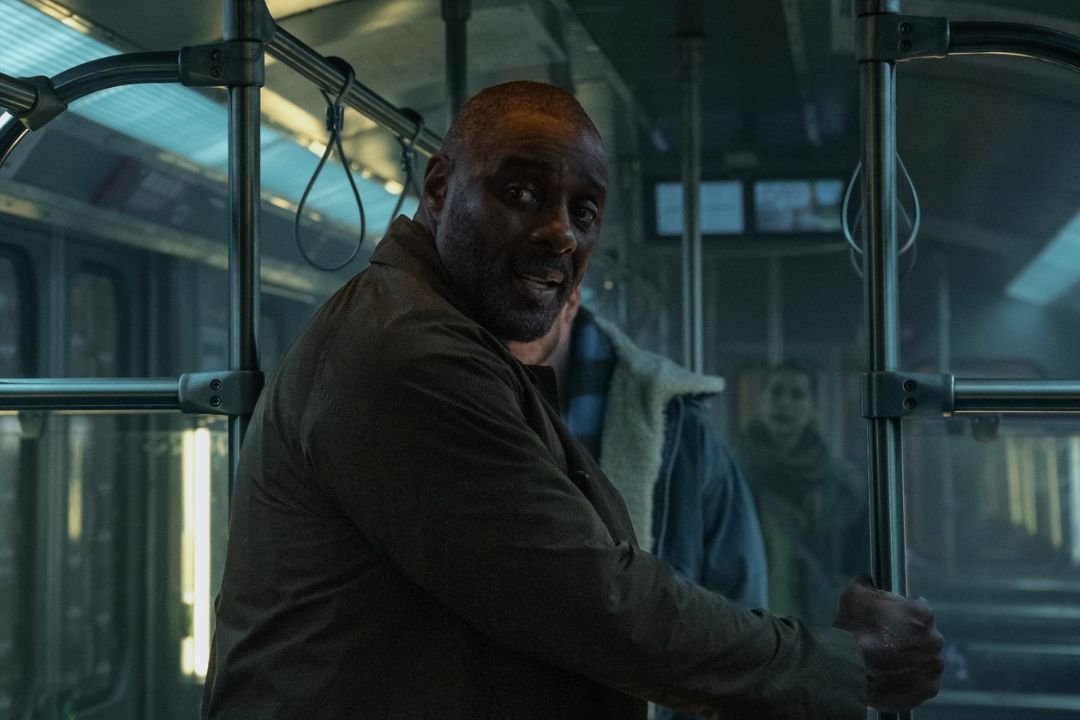
After back-to-back nerve-wrecking cliffhangers in both episodes, Hijack 2 Episode 3 of Idris Elba’s Train Wreck Saga has finally fed the viewers with some mind fodder, allowing some moments to breathe as Sam Nelson does in the beginning of Baggage. While a lot gets unravelled, it gets equally complicated as a series of unfortunate events quickly unfold in Berlin's subway U-Bahn. With season two's big questions being addressed within minutes into the episode, it is about time viewers realize Sam Nelson’s motives have pushed him to a point of no return.
Regardless, what felt just tactical at the beginning of the saga has now definitely tired into something deeply layered for viewers to judge the protagonist in just three episodes deep. With much to understand still, let us entangle each thread carefully to tap into the big questions that cloud the ending of Hijack Season 2 Episode 3.
Was the explosion at the station real or staged?
ADVERTISEMENT
Article continues below this ad
With no ounce of confusion left, viewers can now completely buy that the first explosion was staged to buy time. Sam sends Freddie onto the platform with a suitcase that looks like a bo--. Smoke, panic, and confusion follow, but there is no real explosion. The goal there was simply to play with the psychological fear and assert dominance. Sam wanted authorities to believe he is willing to escalate instantly, and so he did.
What personal motive does Sam have?
The episode finally clarifies Sam’s true motivation. His son Kai died a year earlier, and Sam believes John Bailey-Brown, the infamous fugitive from Season 1, is responsible. This revelation completely reframes the hijacking. It is not driven by ideology, money, or indiscriminate terror, but by personal loss turned into leverage. Sam’s hardened grief sure becomes the engine of the operation, however, this does not mean Sam is acting purely out of revenge.
While grief is the emotional driver, Episode 3 makes it clear that Sam is also cornered. External pressure forces his hand, pushing him to operate within constraints he did not choose. His actions remain emotionally charged, but his decisions are calculated and mostly deliberate, making him as vulnerable and therefore far more dangerous than a simple revenge-driven antagonist.
Is Sam actually the one in control of the hijacking?
No, and this is one of the episode’s biggest reveals. Sam, as his season 1 fans might have already guessed long ago, is being blackmailed. An unseen group is threatening his ex-wife, Marsha, sending proof masked with gifts that they can reach her anytime. Sam is not just demanding Bailey-Brown for himself, he is doing it because he is being forced to. This flips the power dynamic completely.
Why is the blackmail twist so important to the ending?
Because it fundamentally reframes the narrative of Hijack. Sam is no longer positioned as the ultimate villain but as a visible instrument within a much larger, coordinated operation. The scale of the plan extends far beyond personal revenge, suggesting that other players stand to gain far more than Sam ever could. From this moment onward, Sam exists in a dual role: both the central antagonist driving the crisis forward and a manipulated pawn trapped inside a structure he does not fully control.
Do the authorities realize Sam fooled them with the fake bo--?
Definitely so. German special forces deploy a robot and quickly confirm the device on the platform is harmless. Strategically, they regain clarity, but psychologically, Sam has already done the job. Planting the fear of apprehension is exactly what Nelson has to double down on in order to reach his end goal.
Is there any real explosive threat?
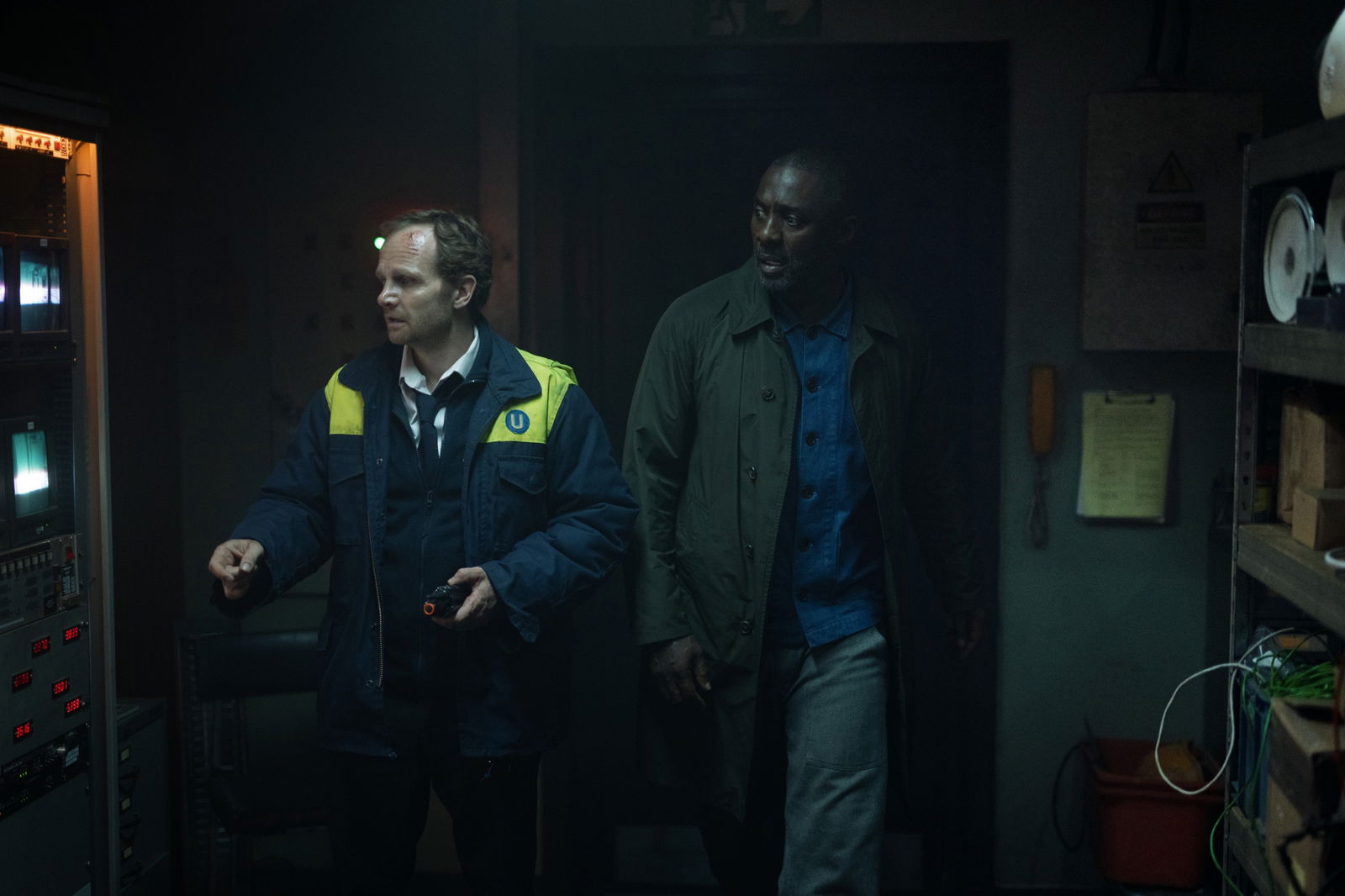
Yes, and this is where the episode truly escalates.During a power outage, Sam and Otto discover a real bo-- attached underneath the train. This changes everything. The danger is no longer performative, everyone on board could actually die.
Who planted the real bo-- under the train?
The ending leaves this thread open, probably to tighten the loose ends later, a subplot that might too soon reveal the real master. The episode does not confirm it, however, the implication is clear. It is indeed the same shadowy group blackmailing Sam is escalating matters beyond his control. Even Sam looks shaken, signaling that this was not part of his original plan.
What happens to Freddie, and why is his death significant?
Freddie is murdered by another planted operative, not Sam. However, as the director wanted the visual soliloquy to go ahead, Mei Nelson finds the body and assumes Sam ordered the ki-----.
This became quite significant to the plot as it does spare Sam Nelson some space to show he is not the real mastermind. Moreover, it plunges the train into a dreaded horror as Passenger trust collapses with violence now becoming unavoidable rather than implied. The hijacking crosses a moral line.
ADVERTISEMENT
Article continues below this ad
Why does Sam dump Freddie’s body on the platform?
Sam strategically uses Freddie’s death as proof of seriousness, leaving the body exactly as a reckless hijacker would. As brutal as it is, it manipulated the authorities into believing the existence of the real bo--. The body ultimately pushes them to resume negotiations on Sam’s terms and allow the train to continue as it leaves the station.
ADVERTISEMENT
Article continues below this ad
How did you interpret the Hijack Season 2 Episode 3 ending? Let us know in the comments below.
ADVERTISEMENT

Edited By: Aliza Siddiqui
ADVERTISEMENT
ADVERTISEMENT
