
As Paramount-Warner Merger Talks Heat Up, Neon Boss Tom Quinn Sounds Alarm for Indie Cinema
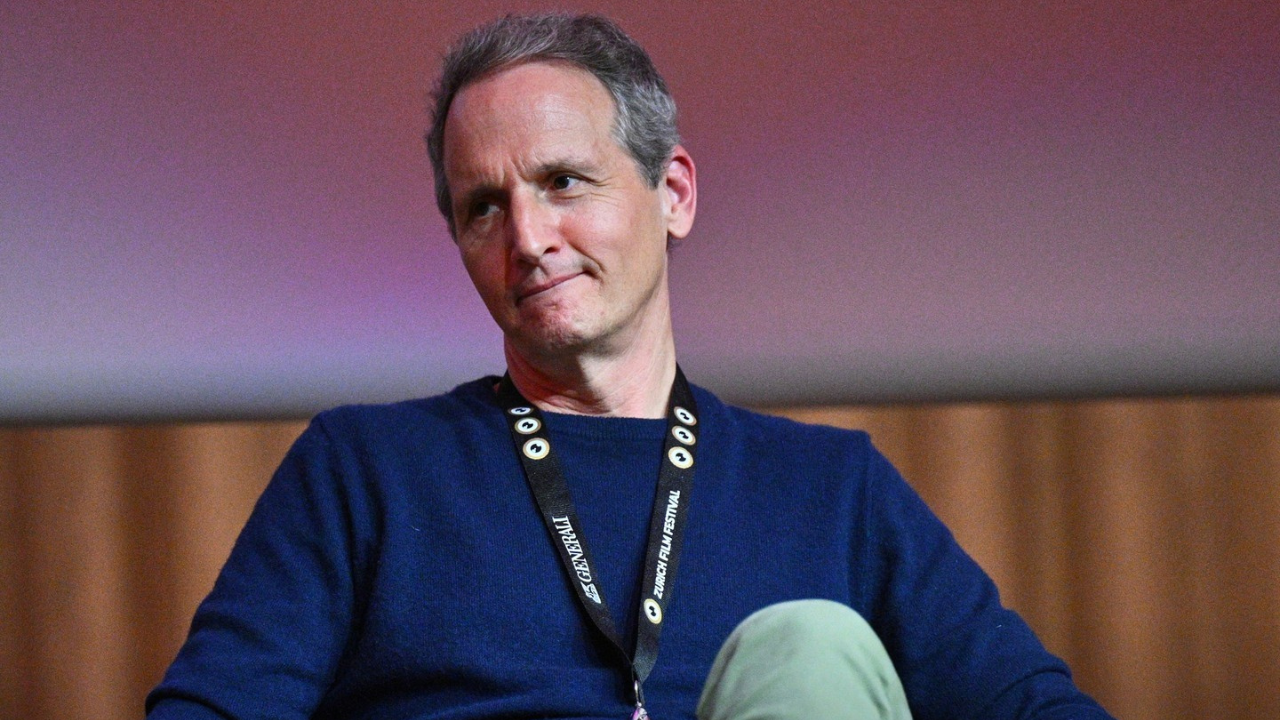
via Getty
Credits: Tom Quinn/@indiewire via Instagram/ Original Credits: Michael Buckner, Getty Images
Hollywood has never been shy about getting bigger. Over the years, mergers, acquisitions, and corporate reshuffling have steadily transformed the entertainment landscape, leaving fewer major players with increasingly larger footprints across the industry. For some executives, consolidation represents growth and stability. For others, it raises concerns about creativity, competition, and whether independent voices can continue to thrive alongside ever-expanding media giants.
Few have been as outspoken about the issue recently as Neon co-founder and CEO Tom Quinn, who offered a blunt assessment of what larger corporate structures could mean for filmmaking.
Tom Quinn believes bigger studios could come at a cost for independent cinema
Speaking at the Produced By Conference shortly after Neon secured its seventh Palme d'Or victory at the 2026 Cannes Film Festival, Tom Quinn was asked about ongoing discussions surrounding a potential Paramount-Warner merger and how increasing consolidation could affect companies like Neon.
“I wouldn’t survive a day in that environment,” Quinn said, criticizing what he views as the growing distance between creative decision-making and corporate scale.
Rather than focusing on business opportunities, Quinn pointed to the challenges he sees within large corporate environments. Reflecting on past experiences working alongside major studios, he described lengthy decision-making processes, layers of management, and meetings involving dozens of people where meaningful progress often felt difficult to achieve.
The executive also questioned whether reducing competition ultimately benefits the industry, arguing that fewer independent players could make it harder for distinctive voices and creative risks to find room within Hollywood's evolving ecosystem.
“The idea of putting two of those (companies) together — how you would you feel like if A24 and Neon merged? That would be ridiculous,” he expressed.

Yet Quinn's concerns about the future of filmmaking extend beyond mergers and consolidation alone.
Why Tom Quinn wants Neon to stay small while Hollywood keeps growing?
Even as Neon continues to expand its influence on the global stage, Tom Quinn made it clear that becoming a massive entertainment conglomerate has never been part of the company's ambition. Discussing Neon's long-term identity, he explained that the distributor has always operated with a practical ceiling in mind, prioritizing filmmakers and carefully curated projects over endless expansion. That philosophy has helped the company build a reputation for championing bold voices from around the world, regardless of genre or country of origin.
Quinn also expressed concern about what he described as the increasing “Uberization” of entertainment, where algorithms and data-driven decision-making can overshadow creative instincts. For him, maintaining a direct connection with filmmakers remains more valuable than chasing scale for its own sake.
To explain what he wants Neon to become, Quinn pointed to Jiro Dreams of Sushi, the acclaimed documentary about renowned sushi master Jiro Ono. Despite earning worldwide recognition, Jiro's restaurant never expanded into a chain or moved into a flashy location. Instead, it remained a modest 10-seat establishment tucked inside a Tokyo subway station, focused entirely on craftsmanship and consistency.
“We will never change. We will never leave the subway. But the line will get longer and longer,” Quinn said, summing up his vision for the company.
That philosophy, Quinn suggested, mirrors the future he envisions for Neon. The distributor may never become the biggest company in Hollywood, but that is not the objective. Just as diners continue lining up for one of the world's smallest yet most celebrated restaurants, Quinn hopes Neon can build a reputation around a carefully curated slate rather than endless growth.

Do you agree with Tom Quinn’s view that independent studios are becoming more important as Hollywood continues to consolidate? Let us know in the comments.

Edited By: Adiba Nizami
