
Why Politically Charged Films Are Reshaping the Oscar Race: The Case of ‘One Battle After Another'
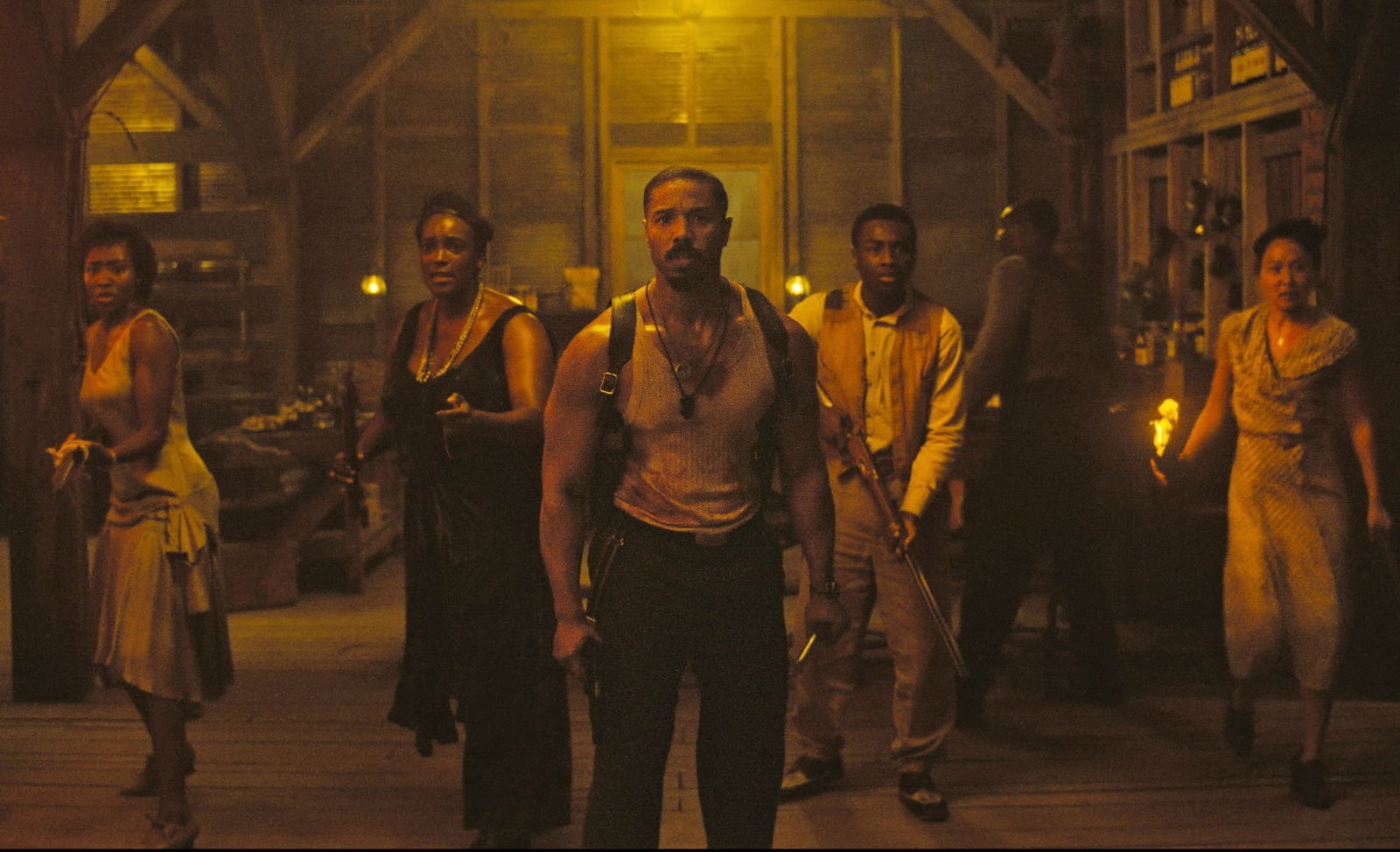
One Battle After Another, directed by Paul Thomas Anderson and released on September 26, 2025, arrives like the serious kid in a classroom full of chaotic overachievers. The film enters the 2026 awards season as a high-profile contender, set against a backdrop of the early 21st century.
Yet every few years, a film grounded in intellectual and moral gravity shifts the cultural conversation. These political narratives capture the attention of both critics and Academy Award voters, prompting a deeper philosophical reflection on how such storytelling consistently reshapes the path to Oscar success.
While prestige often begins with big themes and moral weight, the next puzzle asks why political storytelling itself has become a golden ticket inside the Oscar voting booth.
ADVERTISEMENT
Article continues below this ad
Politics and prestige
Within the Oscar race, politically themed films have long carried a reputation for seriousness and cultural weight among Academy voters. The genre signals prestige through themes of w--, c---------, inequality, and history’s messiest dinner table debates. When One Battle After Another leans into those subjects, it quietly positions itself as the kind of thoughtful storytelling that often resonates strongly with Oscar voters.
Awards history loves films that stare directly at systems of power rather than chase spectacle. The Academy often interprets such narratives as cultural reflection rather than simple entertainment. Prestige follows naturally. In that ecosystem, political storytelling becomes less of a genre and more of an awards season dialect everyone in Hollywood understands.
While prestige opens the door for political storytelling, the next evolution involves craftsmanship because modern filmmakers now dress ideology in breathtaking visuals and technical brilliance.
Craft meets commentary
Political cinema no longer arrives wearing dusty lecture notes. Filmmakers now package ideology with dazzling craft. Directors like Paul Thomas Anderson understand the trick perfectly. Narrative rhythm. Bold cinematography. Precision editing. Each element transforms heavy political ideas into cinematic spectacle.
A project like One Battle After Another becomes both a thesis and a visual feast. Voters admire that balance. Art that feels intelligent yet immersive often travels far during awards season because craft softens the weight of serious themes.
While visual brilliance keeps audiences engaged, another ingredient quietly fuels awards momentum because stories reflecting real-world anxieties suddenly feel less like fiction and more like emotional mirrors.
Reflecting the world
Award races often mirror the emotional temperature of society. When global tensions dominate headlines, audiences gravitate toward stories that echo those uneasinesses. One Battle After Another taps directly into that space.
The narrative explores ideological clashes and human uncertainty without pretending to solve the world. Viewers recognize fragments of their own concerns within those themes. Oscar voters frequently reward films that capture the spirit of their era. Cultural relevance quietly transforms a compelling film into a powerful awards contender.

While relevance helps a film connect with the present moment, the Academy also carries a long tradition of politically driven storytelling that keeps resurfacing whenever history feels loud.
Oscar history
The Academy Awards share a long relationship with political cinema. Films like Schindler's List, Spotlight, and Platoon demonstrated how socially urgent storytelling often captures Oscar attention. Recent ceremonies occasionally leaned toward genre-driven spectacles.
Yet patterns often return. Whenever history begins pressing uncomfortable questions, the Academy frequently gravitates toward narratives carrying moral weight. That rhythm quietly places One Battle After Another within familiar awards territory.
While history explains the Academy’s attraction to political storytelling, the final puzzle involves urgency because voters sometimes reward films that feel perfectly timed for their era.
The urgency factor
Awards strategists whisper about a mysterious advantage called urgency. Reports suggest many 2026 voters feel a moral obligation to reward films reflecting the current socio-political climate. That logic echoes the strategy that powered Oppenheimer toward Oscar glory as a serious film for serious times.
ADVERTISEMENT
Article continues below this ad
Observers now frame One Battle After Another as the contender that met the moment. When cultural mood and cinematic ambition align, awards momentum begins resembling destiny. While urgency can elevate a film into awards dominance, the real intrigue remains whether this narrative resonance will translate into victories once ballots finally open.
ADVERTISEMENT
Article continues below this ad
What are your thoughts on whether politically driven storytelling gives One Battle After Another an advantage in the Oscar race? Let us know in the comments.
ADVERTISEMENT

Edited By: Aliza Siddiqui
More from Netflix Junkie on Oscars




ADVERTISEMENT