
“Haven’t Seen Half of the Films”: Oscars Voter Says They Refused to Watch, Calling the Academy ‘Irrelevant’ Despite New Rules
The Academy Awards may be Hollywood’s grandest evening, yet the ceremony has always thrived on a parallel tradition of outrage over snubs. Alfred Hitchcock never winning Best Director and Marilyn Monroe never receiving a nomination remain two of the most famous examples. One might assume the Academy’s rule requiring voters to watch every nominated film would quiet the debate, yet a recent revelation suggests otherwise.
A candid remark from an Academy voter has yet again reignited controversy about how Oscar ballots are actually cast.
Oscars voter reveals their lack of desire to watch every nominated film
ADVERTISEMENT
Article continues below this ad
In a column for Deadline, awards columnist Pete Hammond revealed an email sent by an anonymous Academy voter responding to the organization’s new voting rules. The voter explained that they had skipped most nominees, calling several films mediocre and refusing to cast a ballot rather than falsely claim compliance with the Academy’s watch-every-nominee requirement.
“I haven’t seen even half of the nominated films, nor do I care to, because my time is far too valuable to spend watching movies I know I’d never vote for (much less be able to sit through),” said the voter. They also added that none of their own preferred selections made the final nomination slate, which made the remaining contenders feel unworthy of their attention.
“It’s all about the film, not the award,” said the voter as they contrasted recent winners such as Anora, CODA, and Everything Everywhere All at Once with enduring classics like The Godfather and Lawrence of Arabia, suggesting that revisiting Singin’ in the Rain or North by Northwest might be a better use of the evening than watching the ceremony.
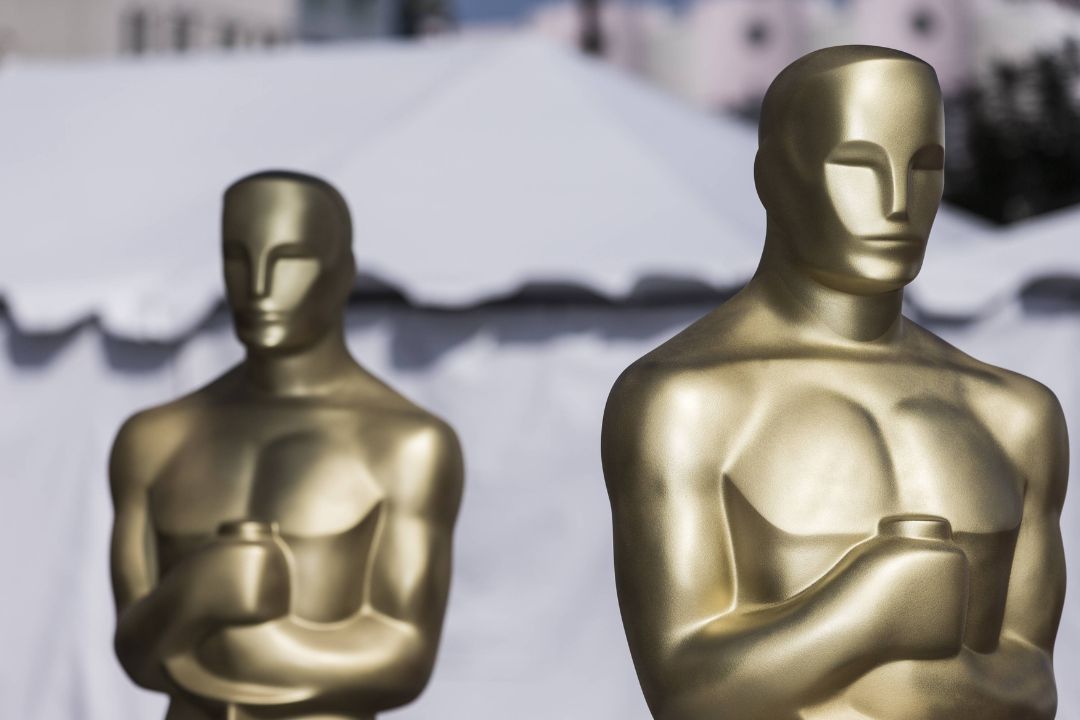
The voter’s blunt remarks have revived the decades-old question of whether the Oscars are as fair as they claim.
Are the Oscars really fair?
The question of whether the Oscars are truly fair has long depended on how one defines fairness in art. The awards are, after all, a peer vote conducted by the Academy of Motion Picture Arts and Sciences, where cinematographers judge cinematographers and editors judge editors. The ballot counting is handled by PricewaterhouseCoopers, which has overseen the secure process since the 1930s, although decades of snub controversies have pushed the Academy to tighten its rules.
Yet the ceremony does not operate in a vacuum. Major studios spend millions on For Your Consideration campaigns, elaborate screenings, and relentless advertising designed to keep contenders fresh in voters’ minds. The result is that the awards can feel as much like a marketing marathon as a celebration of pure cinematic merit.
ADVERTISEMENT
Article continues below this ad
History offers famous examples of how subjective the results can be. Green Book famously triumphed over Roma in 2019, while Citizen Kane lost Best Picture to How Green Was My Valley in 1942. Such decisions have fueled the enduring suspicion that consensus and comfort sometimes outrank bold artistic innovation.
The problem becomes even murkier when voter behavior enters the equation. Several Academy members have admitted to voting based on industry buzz or personal preference rather than watching every nominee. When the electorate occasionally skips the homework, the golden statuette begins to look less like a scientific verdict and more like a well-dressed opinion, a reality underscored by the anonymous voter who admitted to skipping much of the slate and voting altogether.
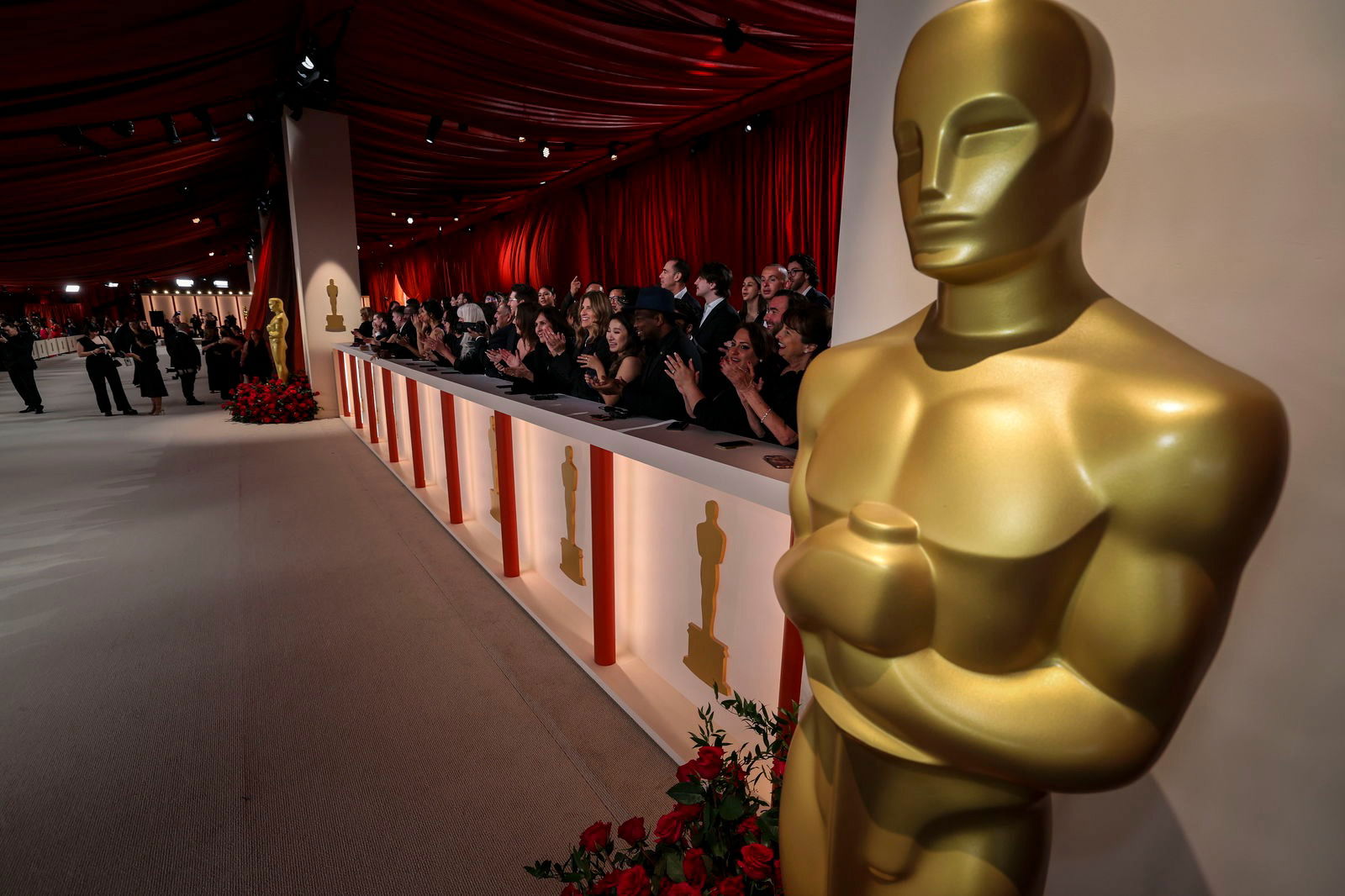
ADVERTISEMENT
Article continues below this ad
Do you agree with the anonymous Oscars voter? Let us know in the comments!
ADVERTISEMENT

Edited By: Adiba Nizami
More from Netflix Junkie on Oscars



ADVERTISEMENT