
AI Performances at the Oscars? Industry Divided After Val Kilmer's Digital Debut
via Imago
Credits: Imago
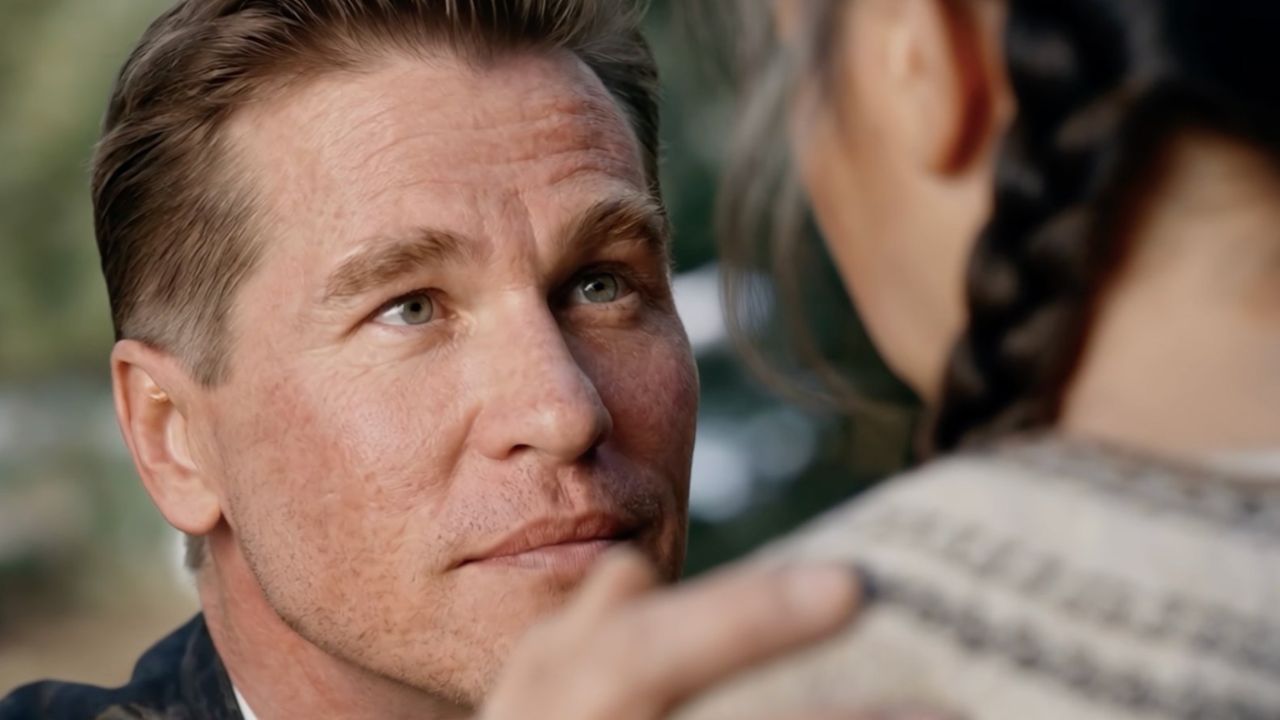
Val Kilmer passed away in April 2025, but he is about to appear in a brand-new film, and Hollywood is not sure what to do about it. Generative AI reconstructed his performance using archival footage and digital tools, sparking a firestorm across studios, awards bodies, and union halls. The debate is no longer hypothetical: AI is already on screen, and the rulebooks were not written for this moment.
The film is just the spark; the real explosion is happening in the boardrooms and rulebooks of Hollywood's most powerful institutions.
Val Kilmer and the Oscar grey zone nobody saw coming
Short answer: not clearly banned, but not exactly welcome either. The Academy of Motion Picture Arts and Sciences confirmed that the use of AI will not automatically disqualify a film, instructing voters to weigh the degree to which a human was at the heart of the creative authorship. No hard ban exists yet, but no green light either. Val Kilmer's performance in As Deep as the Grave, built entirely from archival material and digital tools, sits in an uncomfortable grey zone the Academy has not fully mapped.
While the Oscars hedge, other award bodies are drawing sharper lines. SAG-AFTRA disqualifies performances fully generated by AI from its Actor Awards, which likely rules Kilmer's reconstruction out entirely. The Grammys bar AI from winning; humans must drive meaningful creative contribution. World Press Photo bans generative fill outright. The Pulitzer requires disclosure if AI touched the writing. The rules are getting stricter, but the people making the films are not waiting for permission.
As institutions scramble to shut the door, some of Hollywood's biggest names are already holding it wide open.
Hollywood heavyweights who are pushing AI forward
Several major filmmakers are openly embracing AI as a creative and financial tool. James Cameron joined Stability AI's board and wants to halve VFX costs on future productions. Tyler Perry scrapped an $800 million studio expansion after seeing OpenAI's Sora in action. Ben Affleck calls AI a practical production tool, comparing it to location-replacing VFX. Jon Favreau frames it as a natural evolution of virtual set technology he pioneered on The Mandalorian.
The opposition is equally starry and more vocal. Matthew McConaughey trademarked his voice and likeness in early 2026, having already warned that AI will infiltrate the Oscars, giving himself federal legal firepower against deepfakes. Scarlett Johansson launched the Stealing Isn't Innovation campaign with 700 creatives, pushing Congress for stricter protections. Keanu Reeves has contractually banned digital edits to his performances for years. Nicolas Cage put it simply at the 2025 National Board of Review: "I am a big believer in not letting robots dream for us." The Val Kilmer debate will not be the last of its kind; it is just the opening act.
What are your thoughts on AI performances competing for awards, and should the Oscars draw a hard line? Let us know in the comments.

Edited By: Itti Mahajan
