
#OscarsSoWhite Explained: Why the 2015 Hashtag Might be Making a Comeback This Awards Season
2026 has been a cinematic feast, and Hollywood has had very little reason to complain about the box office. Christopher Nolan's The Odyssey brought epic spectacle back to the big screen, Spider-Man: Brand New Day delivered another superhero event, while Project Hail Mary and Obsession proved that original storytelling and genre-bending films could still command attention. With Dune: Part Three and Avengers: Doomsday still on the horizon, the year has given moviegoers plenty to celebrate.
But while the performances have been plentiful enough to fill an Oscar ballot twice over, some emerging frontrunners could bring the 2015 hashtag #OscarsSoWhite back into Hollywood's awards-season vocabulary.
What is #OscarsSoWhite and why it may be coming out of its cave
ADVERTISEMENT
Article continues below this ad
Hollywood has never been short of Oscar-night surprises, but its recurring diversity problem has proved considerably harder to shake. The hashtag #OscarsSoWhite first surfaced in January 2015, when activist and writer April Reign used it to call out the Academy's lack of racial diversity among nominees. What followed was a viral movement that put Hollywood's representation and recognition practices under an uncomfortable global spotlight.
The conversation grew louder in 2016, when the Academy announced an entirely white acting lineup for the second consecutive year. The backlash prompted prominent figures such as Spike Lee and Jada Pinkett Smith to boycott the ceremony, forcing Academy leadership to confront its voting and membership practices. Under then-president Cheryl Boone Isaacs, the organization pledged to diversify its ranks, expanded its international membership, and eventually introduced inclusion standards for Best Picture eligibility.
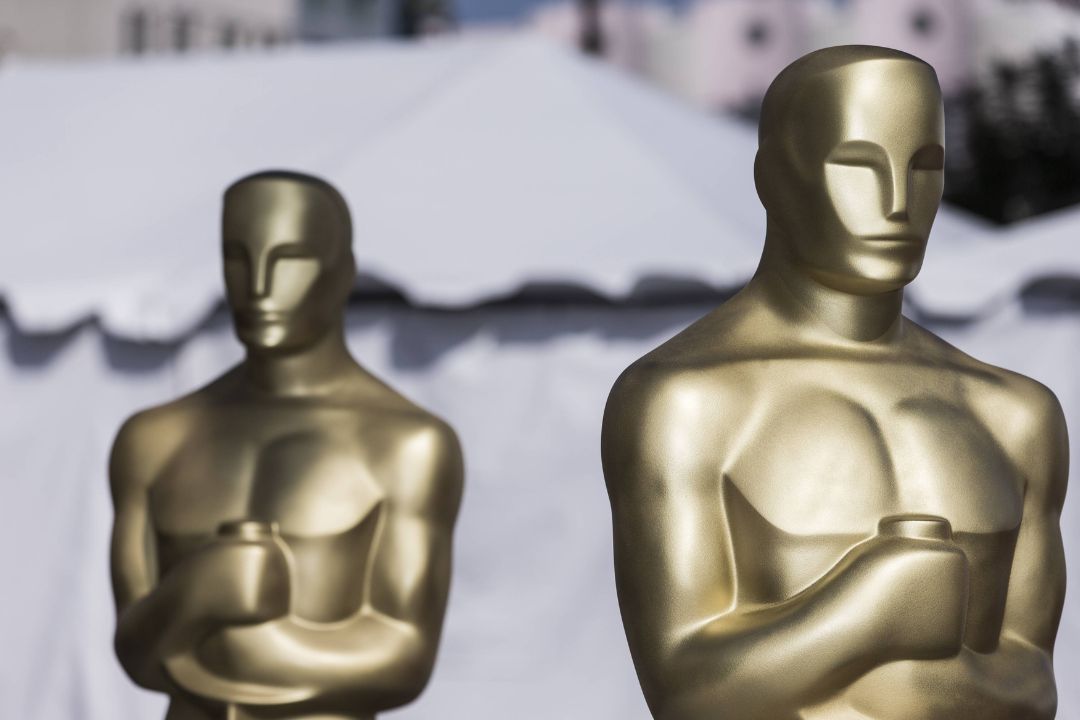
More than a decade later, however, the awards-season conversation is beginning to sound familiar. Michael B. Jordan's Best Actor victory for Sinners at the March 2026 ceremony offered a significant moment of recognition, particularly as the film secured a record 16 nominations. With industry predictions from publications such as Variety painting a rather different picture.
Matt Damon, John Malkovich, Andrew Scott, and John Turturro are among the projected Best Actor contenders, while Sandra Hüller, Julianne Moore, and Olivia Wilde feature in the Best Actress race. With white performers dominating the early frontrunner lists, #OscarsSoWhite could once again become Hollywood's most uncomfortable awards-season talking point.
Yet, there are still a few names offering a silver lining for the 2027 Oscars, and no, it is not the Academy's increasingly diverse voting body.
The names that could keep Oscar 2027 from going all white
Despite the early predictions raising familiar questions about representation, the 2027 Oscar race is not without promising contenders. Zendaya could secure her first Academy Award nomination for Dune: Part Three, while Pedro Pascal has emerged as a strong Best Actor prospect for Behemoth!. Meanwhile, Inde Navarrette is gaining traction for Obsession, adding another exciting name to the Best Actress conversation.
ADVERTISEMENT
Article continues below this ad
The international field also offers reasons for optimism, with Jeon Do-yeon representing South Korea's Possible Love and Tao Okamoto entering the race after her Cannes Best Actress win for All of a Sudden. Riz Ahmed remains in contention for Digger, while Jaafar Jackson has drawn attention for Michael. With such a varied group of performers entering the conversation, the 2027 Oscars still have an opportunity to make the diversity debate a little less familiar.
ADVERTISEMENT
Article continues below this ad
Do you think #OscarsSoWhite will make a return in 2026? Let us know in the comments!
ADVERTISEMENT

Edited By: Hriddhi Maitra
More from Netflix Junkie on Oscars

ADVERTISEMENT