
‘Frankenstein’ and the Oscars: Why Literary Adaptations Remain Academy Favorites

It could be the best of times, it could be the worst of times; every institution, organization, or centralized structure would always prefer to play by the book. For the Academy of Motion Picture Arts and Sciences in the United States, what could be more bookish than literal adaptations of literary texts to examine in its cathedral of cinematic excellence? Are they not just rife with Oscar-winning elements, having already amassed universal respect through their timeless storytelling power?
Whether it is a Gothic monster or an atomic age genius, literary adaptations are privileged with a gravitas that easily establishes depth and resonates with both viewers and Academy members.
Dissecting the Oscars' soft corner for literary adaptation after Netflix's Frankenstein
ADVERTISEMENT
Article continues below this ad
Guillermo del Toro's Frankenstein is no doubt a breathtaking masterpiece. However, the Oscars voters have long shown affection for films rooted in documented literature and true stories. Adapted material brings proven narratives and dedicated fan bases, offering familiarity that can anchor awards campaigns. The prestige factor of these works originates from their base content, which includes texts that people already recognize as cultural milestones, literary cornerstones, or canonical classics; not to forget people's emotional attachment to the classics, or simply their viable aesthetics.
Having solid base content equips actors with extensive opportunities to develop their skills through deeper emotional exploration and express wordless, nuanced critical interpretations on screen. Through adaptations, filmmakers can create new versions of traditional stories that address modern social issues, historical and political challenges, while not radically straying from predictability. Almost every reader has read Mary Shelley's Frankenstein, and every epoch after her death has yielded new interpretations of her work. So why not welcome Netflix's cinematic intervention?

Now, it is a universal truth that films came after literature, after books, after playbooks. Modernity has turned the wheel of entertainment to the point where cinematic achievements peak at well-known literary sources, which cover multigenerational family stories and moral conflicts, building the safest and most-trodden yet new paths for filmmaking success. The Academy, thus, treats literary adaptations as secure options, citing their established track records and substantial storytelling power, for only immature poets imitate; the best ones make something better out of a copy of a copy of everything.
Another crucial aspect to take into consideration is the literary value of a text that is being adapted into a large-scale, mainstream commercial feature, or even a jonesing indie gem. The higher it ranks in the order of famous classics, the more likely it is to be seamlessly reimagined and remoulded to suit a generation of viewers, which is again considered a safe bet for the Academy. Moreover, adapting a 300-page novel into a 2-hour movie requires intense skills and dedication so as to maintain the source's integrity, which seeps faster into the Oscars' recognition, as its history stands in testimony of.

Frankenstein or Hamnet might be the front-runners for Oscars this year in some categories just like their predecessors.
How Oscars history underscores the trend of favoring literary adaptions
Traditionally, the Oscars have demonstrated the existence of this pattern, where literary adaptations overpower others, like Schindler’s List and The Godfather, which won Best Picture and Best Adapted Screenplay because they converted popular written material into exceptional cinematic achievements. The movie No Country for Old Men won four Academy Awards, and The Lord of the Rings: The Return of the King succeeded in all principal award categories, bagging 11 trophies.
The powerful literary stories 12 Years a Slave, based on the 1853 slave memoir Twelve Years a Slave by Solomon Northup, and The Silence of the Lambs, adapted from Thomas Harris's 1988 novel, demonstrate the trend of how literature leads cinema to award success. Meanwhile, films like The Wild Robot, If Beale Street Could Talk, Gone with the Wind, and Poor Things continue the tradition.
ADVERTISEMENT
Article continues below this ad
Nonfiction books about real events, like Oppenheimer, also continue to stand as an award-season favorite, particularly when backed by visionaries like Christopher Nolan. Historical fiction that turns the crown jewel of all English literature, William Shakespeare's life, into a heart-wrenching, thought-provoking drama or a breezy romance, like in Hamnet and Shakespeare in Love, respectively, Oscar nods come swarming in like bees to the nectar.
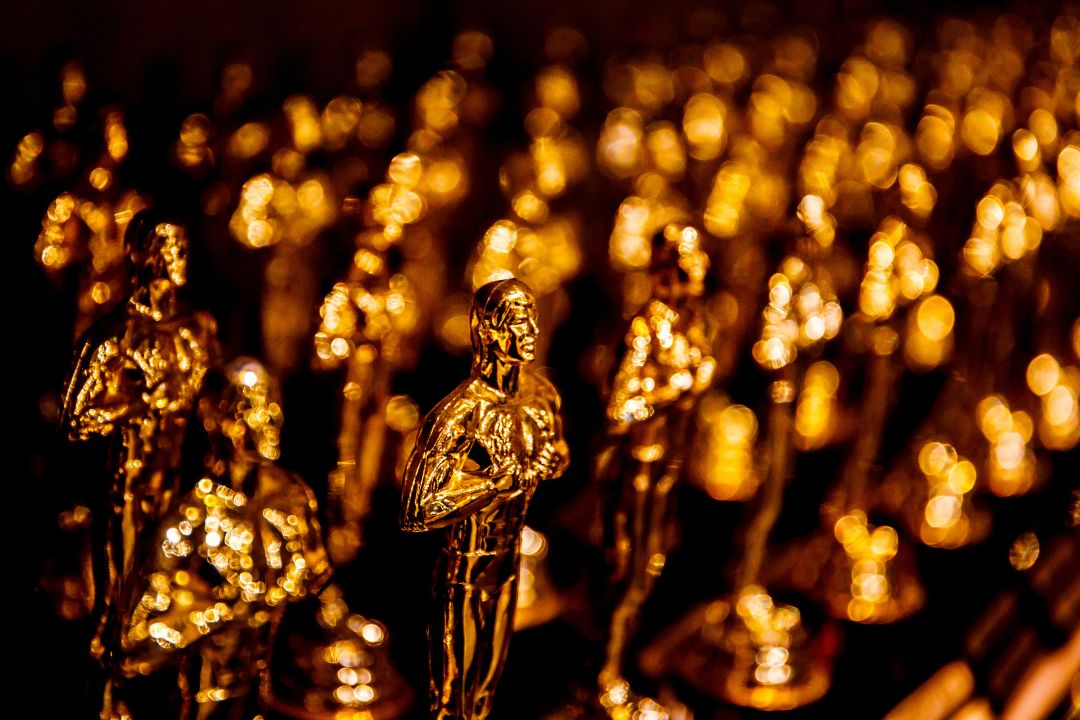
Frankenstein stands as the ultimate example of how cinema continues to skillfully adapt classic literature into socio-culturally pertinent and timely movies. By transforming written genius into visual poetry, they achieve artistic recognition straight from the Academy with ease.
ADVERTISEMENT
Article continues below this ad
Do you think Frankenstein will bag an Oscar this year? Let us know in the comments.
ADVERTISEMENT
Edited By: Itti Mahajan
ADVERTISEMENT
ADVERTISEMENT
