
Oscar's 2026 Theme 'A Human Touch' Explained: What It Means and How It Changes Everything This Season

The 2026 Oscars are shedding their traditional skin to embrace a theme that prioritizes the soul over the spectacle. The Academy recently stunned the public by unveiling a vision that merges high-end architecture with the untamed touch of humanity. This transition marks a significant departure from the digital perfection of previous years, signaling a return to the roots of human creativity.
Fans are already buzzing about how this organic shift will differentiate the 2026 Oscar with previous years. The visual identity of the upcoming ceremony promises to transport every guest into a serene, living masterpiece.
A sanctuary of human artistry: The 2026 Oscars theme
ADVERTISEMENT
Article continues below this ad
As reported by Vanity Fair, the stage design for this year represents a calming garden courtyard where lush greenery weaves through every structural element. This aesthetic serves as an intentional ode to the handmade theme titled A Human Touch.
“There is an unsettled nature around the climate right now, and there’s just something very calming about being surrounded by architecture, but having this space for trees to grow,” production designer Alana Billingsley told Vanity Fair. Designers created this atmosphere to offer a relaxing refuge from a chaotic global climate. It highlights the delicate balance between man-made precision and the wild, unpredictable grace of nature.
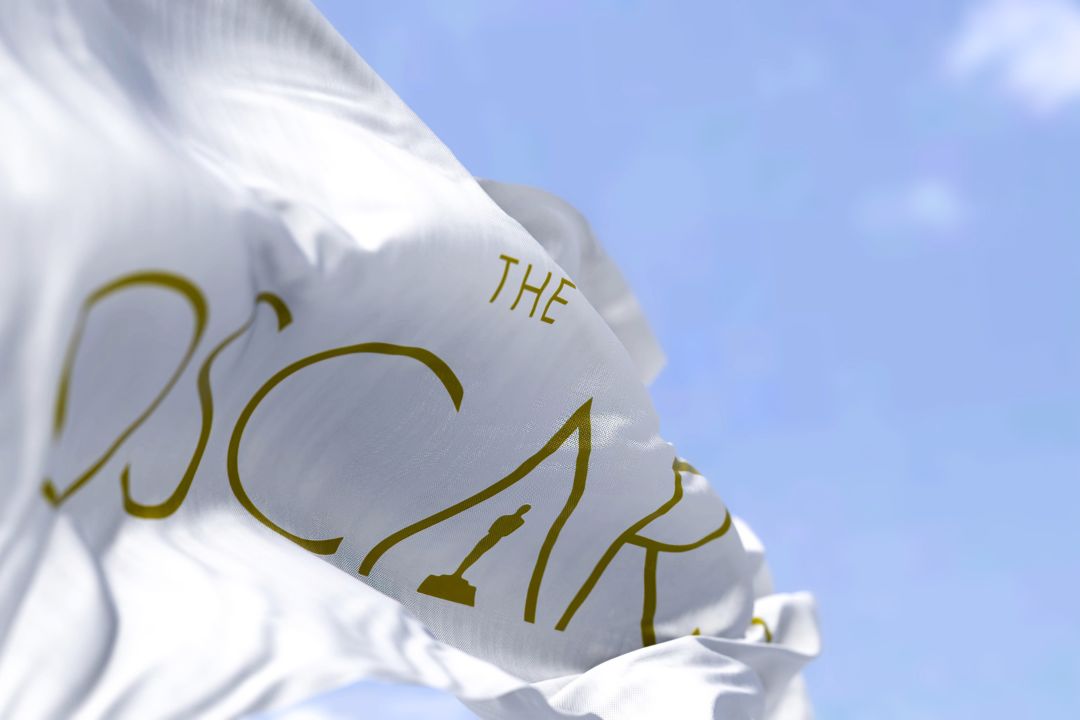
By blending trees with formal architecture, the Academy addresses the unsettled nature of the modern world through grounding visual metaphors. The designers emphasized that the contrast between the organic and the rigid creates a feeling that life can exist anywhere.
“There’s this fluidity that ties in with all the organic elements”, designer Misty Buckley added. This year, the ceremony is not just a show but a living example of the resilience of the human spirit.
The 2026 A Human Touch theme creates a stage where winners are not just receiving awards, but are being welcomed into a living legacy of cinematic excellence.
Iconic winners of the Academy Awards
The history of the Oscars is defined by transformative wins that shattered glass ceilings and redefined the art of performance. Hattie McDaniel made history as the first Black performer to win an Oscar for her role in Gone with the Wind, paving the way for future generations. Decades later, Sidney Poitier’s historic win for Lilies of the Field solidified the shift toward a more inclusive Hollywood.
Parasite became a global phenomenon when it was the first non-English language film to win Best Picture, proving that subtitles are no barrier to excellence. Similarly, Everything Everywhere All at Once dominated the 95th Oscars by blending high-concept science fiction with deeply human emotion. These films showed that the Academy can embrace unconventional narratives and still find universal truths.
ADVERTISEMENT
Article continues below this ad
Individual achievements in acting often leave an indelible mark on the ceremony’s long and storied timeline. Daniel Day-Lewis holds the record for the most Best Actor wins, showcasing a level of method acting that remains largely unparalleled in modern film. Meanwhile, Katherine Hepburn’s four Best Actress statues stand as a testament to her enduring talent and longevity in a demanding industry. These iconic winners represent the pinnacle of craft that the 2026 ceremony seeks to honor.
ADVERTISEMENT
Article continues below this ad
What do you think about the theme of Oscar 2026? Let us know in the comments.
ADVERTISEMENT

Edited By: Hriddhi Maitra
ADVERTISEMENT
ADVERTISEMENT
