
What Does ‘Ward’ Mean in 'Bridgerton' Season 4? Sophie’s Ties to Lord Penwood Explained
After three seasons of soaring highs and a few narrative stutters, Bridgerton’s third chapter left many viewers feeling a bit adrift. Season 4, at least in Part 1, feels like a deliberate course correction. By centering Benedict Bridgerton at last, the show returns to a more classical Bridgerton architecture: one love story, one social fault line, and one outsider figure whose presence destabilizes the ton. That figure is Sophie, introduced as a servant hovering at the edges of aristocratic life, watching the world that refuses to fully see her.
Sophie is referred to as the ward of Lord Penwood. It sounds respectable. Harmless. Even charitable. But Bridgerton has never been interested in language that tells the whole truth. So what does ‘Ward’ mean?
How is Sophie related to Lord Penwood? What does ‘Ward’ really mean?
ADVERTISEMENT
Article continues below this ad
In Part 1 of Bridgerton Season 4, a key moment reverberates through the social and psychological fabric of the story. Sophie Baek is referred to as the ward of Sir (Lord) Penwood. Traditionally, the term ward in Regency Britain denotes a child, often orphaned, placed legally under the protection and authority of a guardian.
But in Bridgerton, the word subtly signals that Lord Penwood’s use of ward is actually a euphemism thinly veiling a far more fraught reality. Sophie is his illegitimate daughter. Throughout flashbacks and funeral sequences further imply that Penwood acknowledged Sophie’s blood but never publicly claimed her as kin.
During Episode 2, when Lady Araminta Gun meets young Sophie introduced by Penwood, she immediately questions the child’s place among the household. Only when pressed does Penwood confirm Sophie’s wardship, a label that instantly reconfigures her social standing. Araminta’s shock, followed by her later mistreatment of Sophie after Penwood’s death, underscores how merely naming someone a ward can justify exploitation under Regency norms.

This ward designation also echoes the series’ recurring Cinderella-esque motif. Sophie, like Ella in the fairy tale, moves from a place of (ambiguous) gentility into grueling house labor and back toward recognition, all through the power of identity and class language. An imagery, that Bridgerton Season 4, uses subtly.
How Bridgerton Season 4 is shaping up
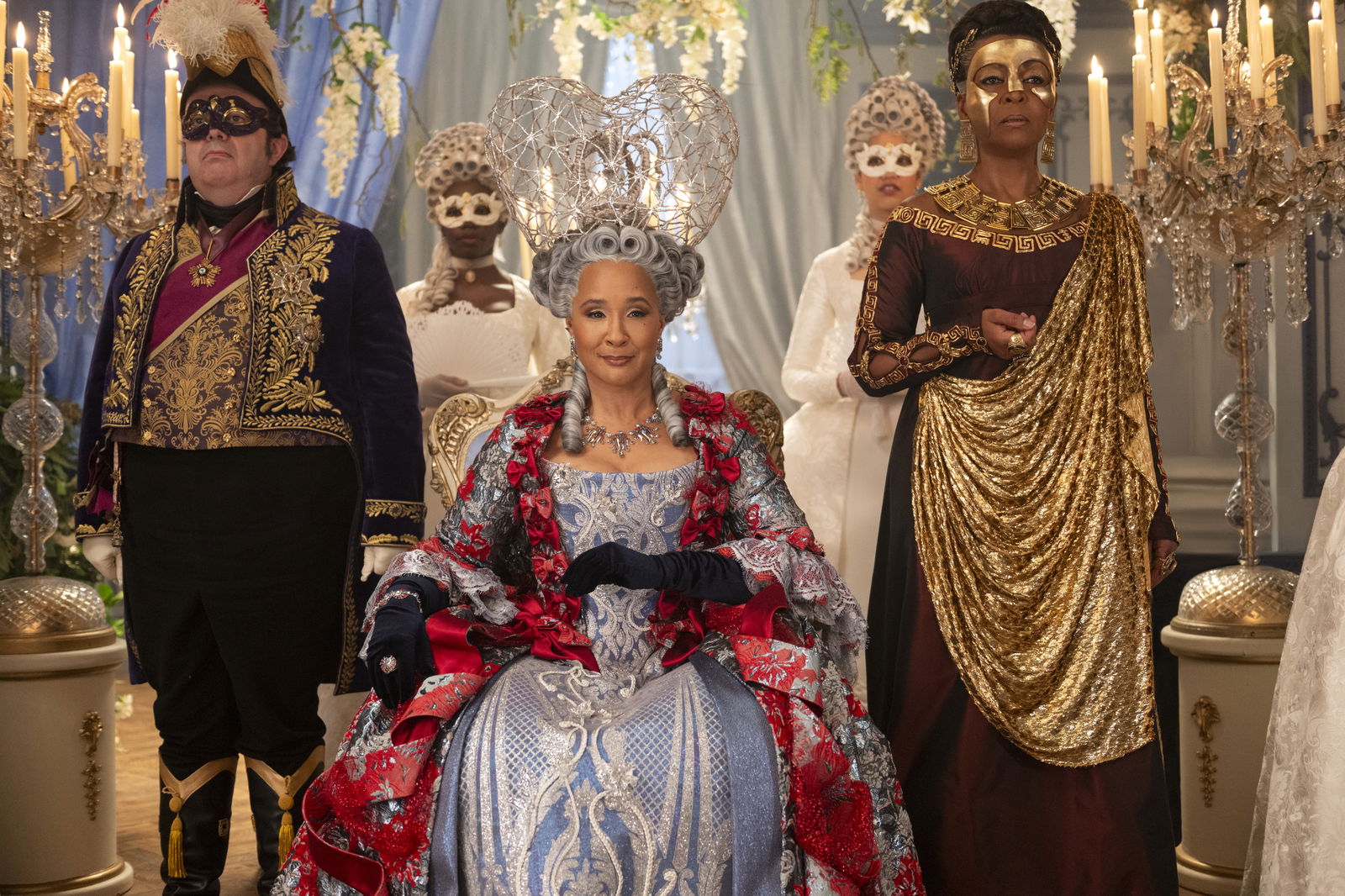
In Part 1, we watch Benedict Bridgerton, once the artistic free spirit, grapple with vulnerability and connection against the rigid structures of high society and class prejudice. His chance encounter with Sophie at Violet’s masquerade ball, where she appears as a mysterious Lady in Silver, is one of the early standout scenes of the season. It is a moment that melds whimsy with the weight of class boundaries.
From there, Benedict’s pursuit of her identity, aided reluctantly by Eloise, leads him straight into the Penwood household’s simmering tensions. Sophie’s dual existence as both the woman Benedict saw under candlelight and the maid she truly is fuels much of the emotional and narrative momentum so far.
ADVERTISEMENT
Article continues below this ad
With Netflix splitting the eight-episode season into two parts, the remaining episodes due February 26, 2026, the second half promises to deepen the conflict between revelation and redemption, identity and secrecy.
Bridgerton Season 4 retools familiar tropes with fresh energy and narrative focus. The seemingly simple word ward becomes a hinge upon Sophie's past, and possibly her future.
ADVERTISEMENT
Article continues below this ad
What do you think Sophie’s true legacy will be by Season 4’s end? Share your thoughts below!
ADVERTISEMENT

Edited By: Hriddhi Maitra
More from Netflix Junkie on Netflix News








ADVERTISEMENT