
Tyra Banks vs. Netflix: The ‘Reality Check: Inside America's Next Top Model’ Defamation Suit Explained
via Imago
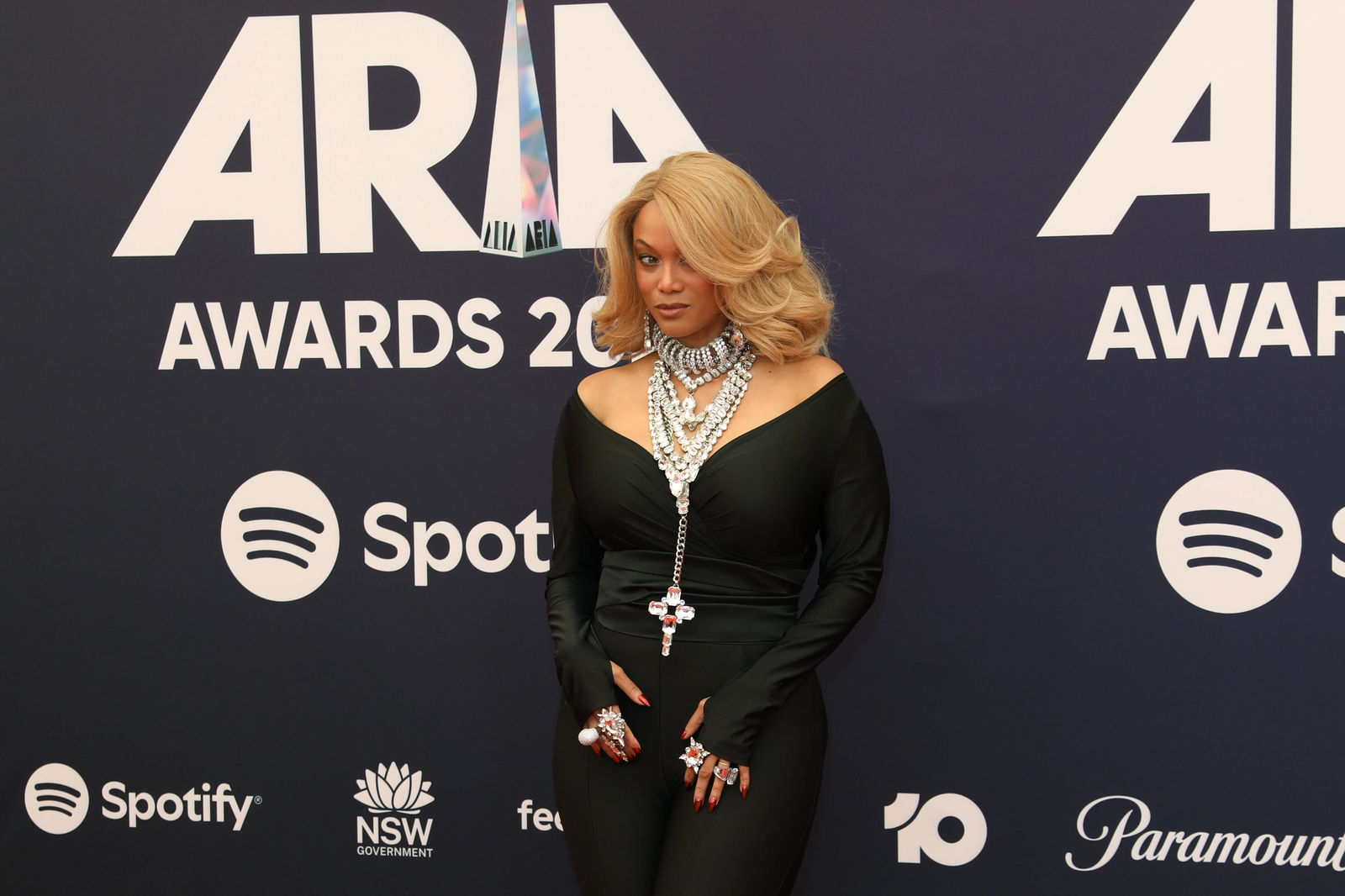
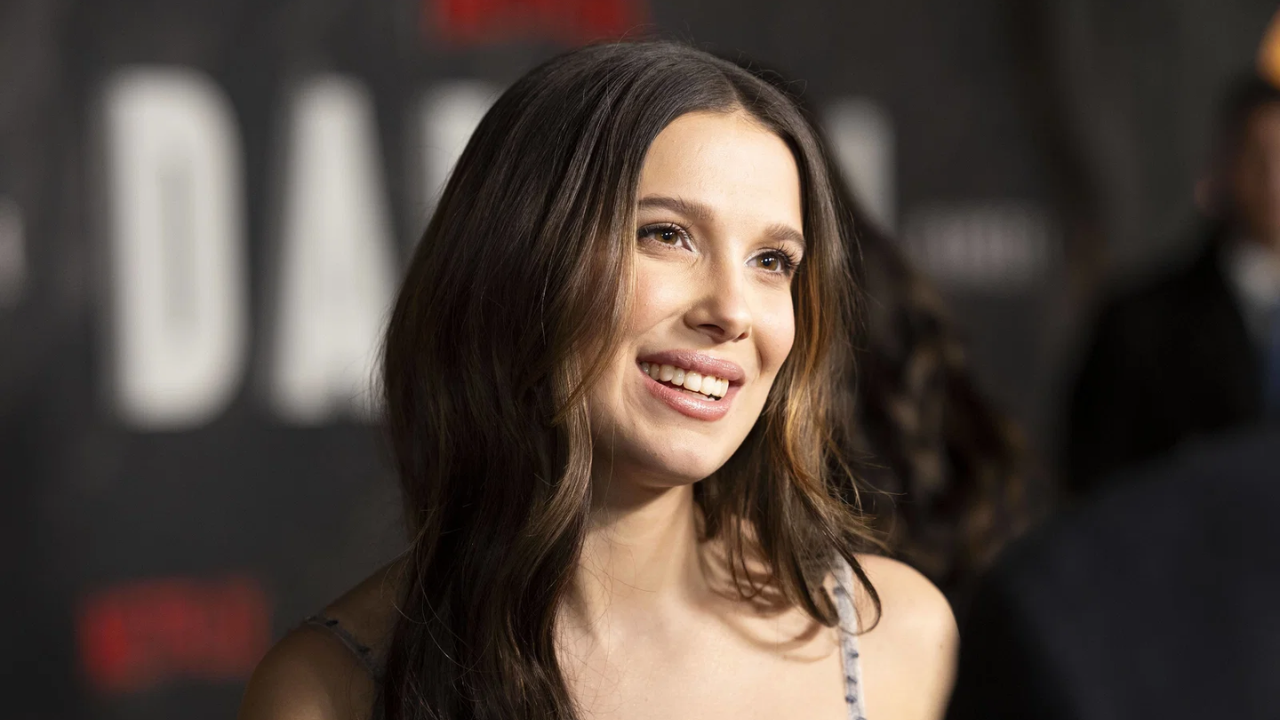
Credits: Imago TYRA BANKS attends the 2025 ARIA Awards at the Hordern Pavilion on November 19, 2025 in Sydney, NSW Australia
Tyra Banks has never been one to stay quiet, and this summer proved exactly that. The supermodel turned mogul is now standing across a courtroom from Netflix, the very platform that once revisited her signature series, America's Next Top Model, through a documentary lens. What started as a project meant to honor and question that legacy has spiraled into something far messier than anyone expected, pulling old footage, old wounds, and old contestants back into the spotlight.
As the legal battle unfolds, questions are mounting over what really happened behind the scenes of the project that started it all.
Tyra Banks built an empire first
ADVERTISEMENT
Article continues below this ad
Tyra Banks built America's Next Top Model from the ground up, creating, hosting, and executive producing the series from 2003 to 2018. The show became a cultural fixture of its era, launching modeling careers while drawing sharp criticism for body shaming, r***** insensitivity, and questionable treatment of contestants over its many cycles. That mixed legacy, both celebrated and scrutinized, became the exact subject Netflix wanted to dig into years later.
via Imago
Credits: Imago
Reality Check: Inside America's Next Top Model premiered on the platform in February 2026, directed by Mor Loushy and Daniel Sivan. The three-part series revisited old wounds through interviews with former contestants, crew members, and Banks herself, framing itself as a reckoning with the show's complicated history. Among the accounts featured was Shandi Sullivan, a Cycle 2 finalist whose story would soon become the center of a legal storm.
While the documentary aimed to reexamine the past, Banks said what landed on screen barely resembled what she actually said.
Netflix trimmed hours into minutes
Tyra Banks sat down for a three and a half hour interview, telling producers she understood the project would explore both the show's successes and its failures without restriction. Only about sixteen minutes of that lengthy conversation made it into the final cut. According to her complaint, moments where she took real accountability for past decisions were left on the cutting room floor entirely, replaced by something far less forgiving.
The most damaging edit, per the lawsuit, involves her response to a question about Shandi Sullivan's story. Banks claims the unedited footage shows her nodding and clearly stating, "I do remember her story," before the released version cuts to black after an ambiguous pause and a single murmured word. That edit alone, she argues, made her look evasive about an incident she says she never understood as an a****** at the time it happened.
As the specifics of that edit come into focus, the fallout has reportedly reached far beyond Banks' public image.
Tyra Banks points to real damage
Tyra Banks alleges the finished series painted her as careless and dismissive about a serious matter, rather than someone processing decades-old information in real time on camera. She claims the portrayal has already caused measurable damage, including a reported drop of more than twenty percent in online ratings for her ice cream brand, SMiZE & DREAM, after viewers left negative reviews. The lawsuit also pushes back against Netflix using her image alongside the series' soundtrack release without her consent.
Banks is also a public figure, meaning her legal path is anything but simple or guaranteed. She must prove actual malice under longstanding defamation law, showing that producers knew the edited version was false or acted with reckless disregard for the truth. Courts have historically been cautious about second-guessing documentary editing choices, especially when participants agree to sit for extended interviews voluntarily and without restriction.
While the legal standard sets a high bar, the timeline of events since filing tells its own story.
Netflix stays silent for now
ADVERTISEMENT
Article continues below this ad
Tyra Banks filed her sixty-five-page complaint on June 13, 2026, in the United States District Court for the Central District of California, naming several parties tied to the project. The suit names Netflix Worldwide Entertainment, EverWonder Studio, Netflix Music, and both directors, asserting false light, defamation by implication, breach of contract, and false endorsement. Netflix and the other defendants largely declined to comment publicly in the days following the filing, leaving much of the story one-sided for now.
Just days later, on June 18, 2026, Banks appeared as a guest judge on Project Runway, carrying on with her public schedule despite the unfolding case around her. As of mid August 2026, no formal response from Netflix has surfaced, and the case remains firmly in its early stages. The docket currently reflects only the original complaint and its related opening filings, with nothing further added since.
ADVERTISEMENT
Article continues below this ad
What are your thoughts on the Tyra Banks and Netflix lawsuit? Let us know in the comments.
ADVERTISEMENT

Edited By: Aliza Siddiqui
More from Netflix Junkie on Netflix News

ADVERTISEMENT