
3 Reasons ‘Orphan Black’ Biopunk Series Has to Be Your Next Binge on Netflix
Credit: Orphan Black Season 1 Trailer / TVWeb / YouTube/ Temple Street Productions, BBC America, and Space/ Distribution - BBC Worldwide
Credit: Orphan Black Season 1 Trailer / TVWeb / YouTube/ Temple Street Productions, BBC America, and Space/ Distribution - BBC Worldwide
Most people are not familiar with the subgenre of science fiction called biopunk, and it is not their fault as there is fewer than a handful of content that touches upon the sinister and moral ramifications of biotechnology, genetic engineering, and synthetic biology in dystopian or near-future settings.
Biopunk is a subset of cyberpunk that focuses on biotechnology and genetic engineering rather than cybernetics and information technology. The genre first appeared following the development of genetic engineering and recombinant DNA, emphasizing the possible repercussions of altering life itself.
Now that the basic idea behind biopunk is somewhat familiar, let us talk about the best example of the genre, Orphan Black, and why this should be everyone’s next binge on Netflix.
The plot of Orphan Black
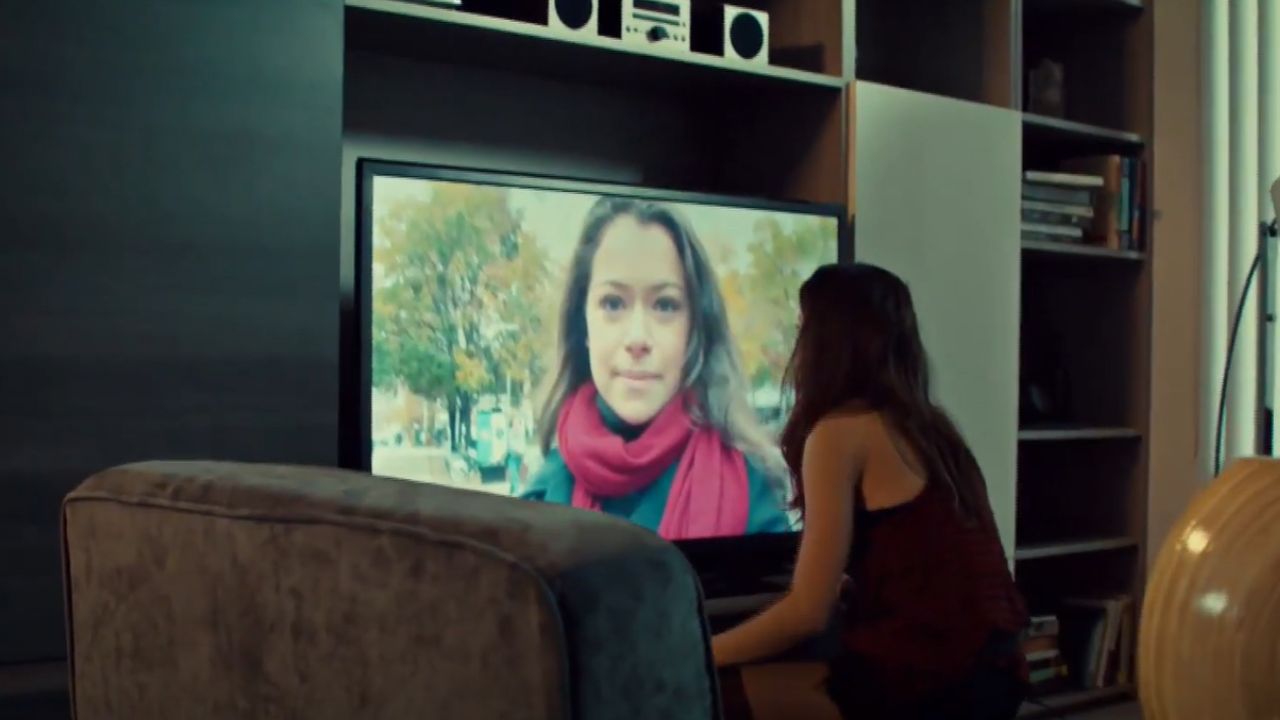
Orphan Black follows Sarah Manning (Tatiana Maslany), a con artist who finds a woman who strikingly resembles her on a train. The very next moment, she commits suicide, and Sarah now has questions. In an attempt to understand their relationship, Sarah assumes the persona of the look-alike. In the end, she learns that they are not the only two and that they are both clones.
Sarah discovers other clones and collaborates with them to figure out how and why they were made. There are a total of 17 clones, all of them similar but with different personalities and problems, and throughout its run, the series remains laser-focused on their quest of finding the truth.
The acting performance
Orphan Black's convoluted conspiracy scheme involving terrifying corporations, insane scientists, and terrible experiments on human victims greatly benefits from one of the greatest performances on television ever. Tatiana Maslany played 17 different clones over the course of five seasons, and the way she was able to bring nuances in each performance deservedly got her an Emmy.
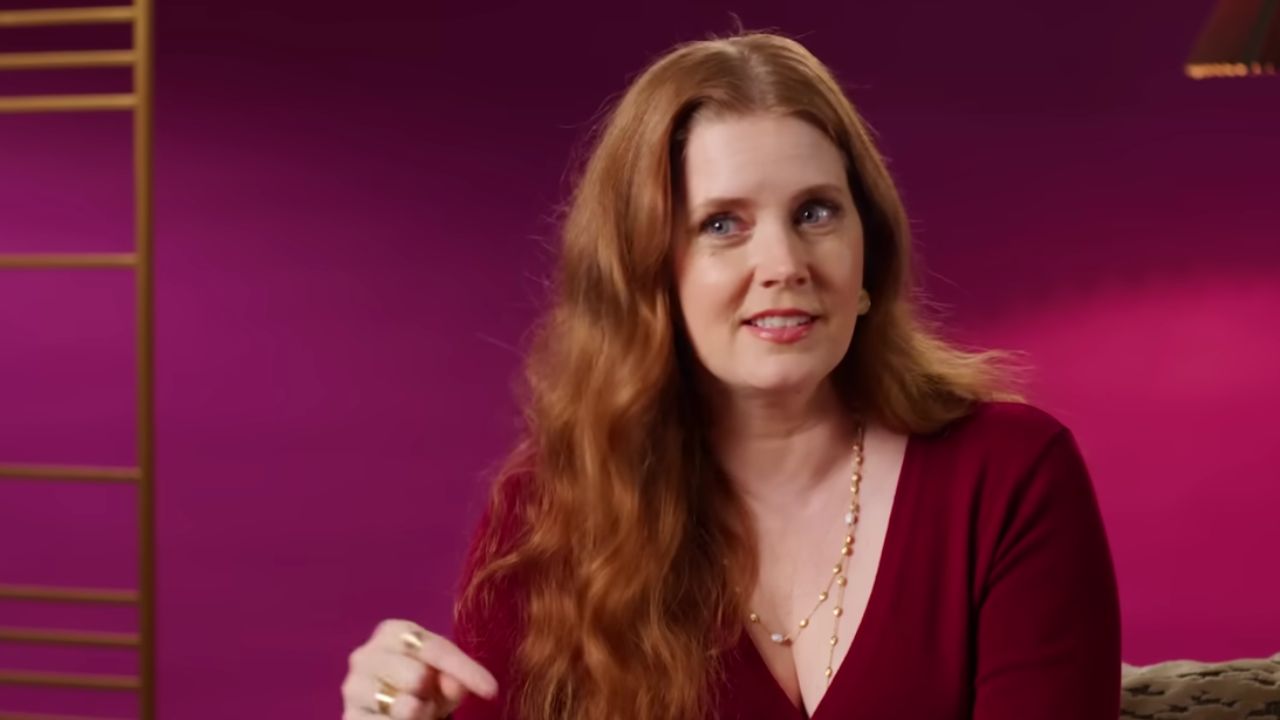
The highlights of her performance from the show would always be scenes of her clones interacting with each other and how she makes the viewers believe that they are, in fact, watching different people but with the same face and physical features. Behind the dated special effects of the show, it is Maslany's performance that gives the sci-fi and biopunk beats of the series structure and a leg to stand on.
The consistency in storytelling
Orphan Black is an intriguing science fiction series, but it is not entirely mysterious. Everyone may enjoy the show's well-rounded plot, which strikes a mix between intrigue, comedy, and personal turmoil. Most remarkably, there is no abrupt decline in quality at the conclusion of five seasons.
Rotten Tomatoes scores for the final two seasons are as high as those for the first two, and while Season 3's score drops a little, it still stands at a very respectable 83%. This is uncommon, particularly for mysteries that are always striving to improve from season to season. The consistent nature of Orphan Black's storytelling indicates that the series merits greater praise.
The show aired from 2013 to 2017, and thirteen years later, Orphan Black is still regarded as a classic work of science fiction. The series raises important issues regarding human biology and the dangers of controlling it for vanity or power. It is a fantastic conspiracy thriller that remains true to its core themes until the very end. However, Orphan Black's greatest quality is much more straightforward: it has a fantastic and classic performance. All the seasons of the show are currently available to stream on Netflix.
Are you going to watch Orphan Black on Netflix? Do let us know.

Edited By: Hriddhi Maitra
