
'The Witcher' Season 4 Episode Titles Breakdown And Symbols' Hidden Message Explored
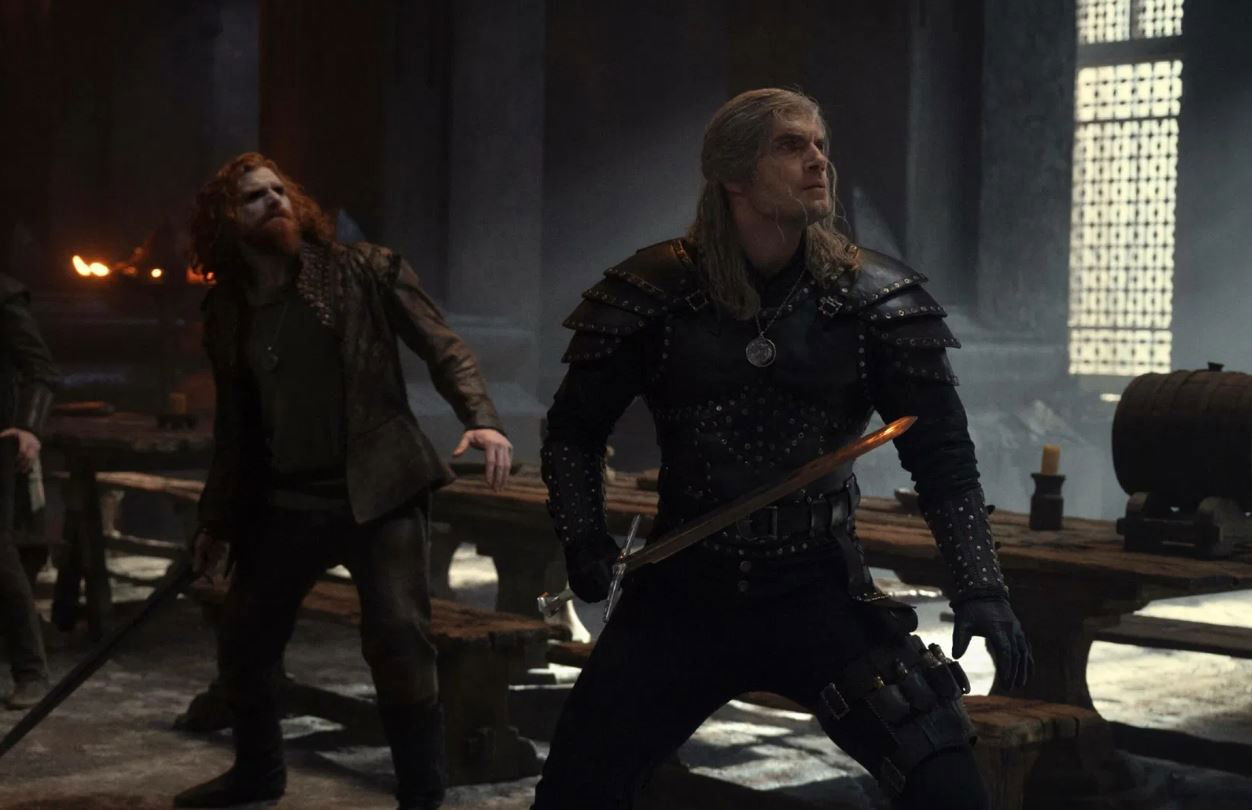
The Continent is poised on the brink of chaos, where war, politics, and destiny violently converge. As the fan-favorite fantasy series, The Witcher, prepares for its penultimate season, a massive change is underway with Liam Hemsworth stepping into the legendary boots of Geralt of Rivia. Beyond the change in appearance, the upcoming season promises to dive deeper into the trials and tribulations of its main characters, guided by symbolic episode titles that tease their separate, perilous paths.
This season’s narrative depth is further emphasized by the thematic episode titles, which offer intriguing glimpses into the character journeys ahead.
Overview – The Witcher’s season 4 episode titles
ADVERTISEMENT
Article continues below this ad
Following the continent-altering events of the Season 3 finale, Netflix officially revealed all eight episode titles and their unique sigils for The Witcher Season 4. These titles and their corresponding logos are not random; they reflect deeper narrative themes drawn directly from Andrzej Sapkowski’s books and the popular video games, particularly The Witcher 3: Wild Hunt. Each symbol subtly sets the stage for the major character arcs of Geralt, Yennefer, and Ciri as they are forced to traverse a war-torn world apart.

The careful selection of iconography hints at the complex journey ahead for the central trio.
The Witcher’s season 4 episode title and symbol breakdown
The Witcher Season 4 episode titles and their accompanying emblems offer a sophisticated preview of the journey to come. As The Witcher barrels toward its penultimate season amidst a massive casting change, the narrative promises an intense dive into the characters' separate destinies. Netflix has revealed all eight episode titles and their unique symbols, offering a sophisticated and cryptic roadmap.
Episode 1 – What Doesn’t Kill You Makes You Stronger
Symbol: The Wolf medallion (Geralt’s School of the Wolf).
This title provides a clear nod to Geralt’s resilience and the constant trials he faces as a Witcher, including surviving the brutal mutations known as the Trial of the Grasses. The episode likely sets the foundation for a renewed, perhaps more determined, Geralt as he recovers from the emotional and physical toll of Season 3’s battles. The Wolf medallion symbolizes his Witcher identity and the suffering required to possess his supernatural abilities, suggesting a rebirth of his quest.
Episode 2 – Dream of a Wish Fulfilled
Symbol: A crucified figure, resembling destiny or sacrifice.
This title directly references the powerful Last Wish that magically tied Geralt and Yennefer’s destinies together in the source material. The crucified figure symbol suggests a deeper exploration into the meaning of this bond, whether their relationship is driven by true love or if it remains merely a fulfillment of a binding wish. This episode will likely explore the complex emotional fallout and the sacrifices required to maintain their fractured connection in a time of war.
Episode 3 – Trial by Ordeal
Symbol: A sword intertwined with flowers.
The combined imagery of a sword and flowers suggests a blend of combat and magical significance. This may symbolize the fierce trials Ciri must face, which involve both physical combat and the realization of her powerful magical destiny. The specific flower could reference the Feainnewedd, a prophetic white rose in the Elder Speech that often appears where Ciri's Elder Blood is spilled. The title foreshadows a critical test for one of the main characters, most likely Ciri’s emerging powers.
Episode 4 – A Sermon of Survival
Symbol: A pentagram-like circle — possibly magic-related.
The pentagram-like symbol strongly ties this episode to the realm of magic, particularly the sorceresses such as Yennefer and Triss. The title implies a focus on the survival and strategic maneuvers of the mages following the massive conflicts from the previous season. The sigil resembles magical signs used for protection and conjuration, suggesting a deeper dive into the politics, alliances, and desperate actions required by the magic-wielding factions to secure their survival amidst a world at war.
Episode 5 – The Joy of Cooking
Symbol: A plant or herb bundle.
This seemingly lighthearted title, paired with the herb bundle symbol, will likely delve into the alchemical arts central to the Witcher universe. Geralt constantly brews potions and elixirs from various plants for his monster-hunting endeavors. This episode could focus on the physical requirements of survival, concocting essential potions, gathering resources, or perhaps a more metaphorical cooking up of a complex plan or a temporary, humorous breather, mirroring the beloved lighter side quests of the game.
Episode 6 – Twilight of the Wolf
Symbol: Shattered spikes or a collapsing crown — like a collapsing order.
The term Twilight of the Wolf indicates a profound shift or the beginning of the end for Geralt and his School of the Wolf. The shattered symbol reinforces the idea of a collapsing order or a fading era. This episode may signal the decline of the Witchers’ relevance or the point where Geralt must step back as Ciri’s destiny fully takes precedence. The episode title and symbol foreshadow major losses and a significant turning point for the protagonist.
Episode 7 – What I Love I Do Not Carry
Symbol: A tree (possibly the Weeping Willow or Elder Tree).
This title suggests profound emotional loss and the necessary act of letting go. The tree symbol could represent Ciri’s lineage or the pivotal locations, like the Brokilon Forest. This episode will likely explore the heavy price of destiny, mirroring Geralt’s struggle in the books to release Ciri to her true, world-altering path. It highlights the theme that the things one holds dearest cannot always be kept, forcing the characters to make painful choices.
Episode 8 – Baptism of Fire
Symbol: Dragon and Wolf intertwined.
The final episode is named after Andrzej Sapkowski’s third Witcher novel and is symbolized by a Dragon and a Wolf intertwined. This powerful imagery represents a rebirth through chaos and conflict. This is the true crucible where Geralt, Ciri, and Yennefer are forged in the fires of their separate and combined trials, leading to a major, violent confrontation. It signifies an intense, final act where the characters either reunite or face their ultimate emotional and physical challenges.
ADVERTISEMENT
Article continues below this ad
The upcoming season of The Witcher promises to be a complex and emotionally charged journey, utilizing symbolic episode titles to guide the audience through the separate trials of Geralt, Yennefer, and Ciri. This sophisticated narrative approach ensures that the series maintains its depth, even as the fantasy world hurtles towards its climactic final seasons.

ADVERTISEMENT
Article continues below this ad
What more do you think the symbol defines in The Witcher season 4? Let us know in the comments below.
ADVERTISEMENT

Edited By: Itti Mahajan
ADVERTISEMENT
ADVERTISEMENT
