
‘The Rise of the Red Hot Chili Peppers: Our Brother, Hillel’ Review – A Raw Tribute to Hillel Slovak and the Band’s Early Chaos
Credits: Netflix
Credits: Netflix
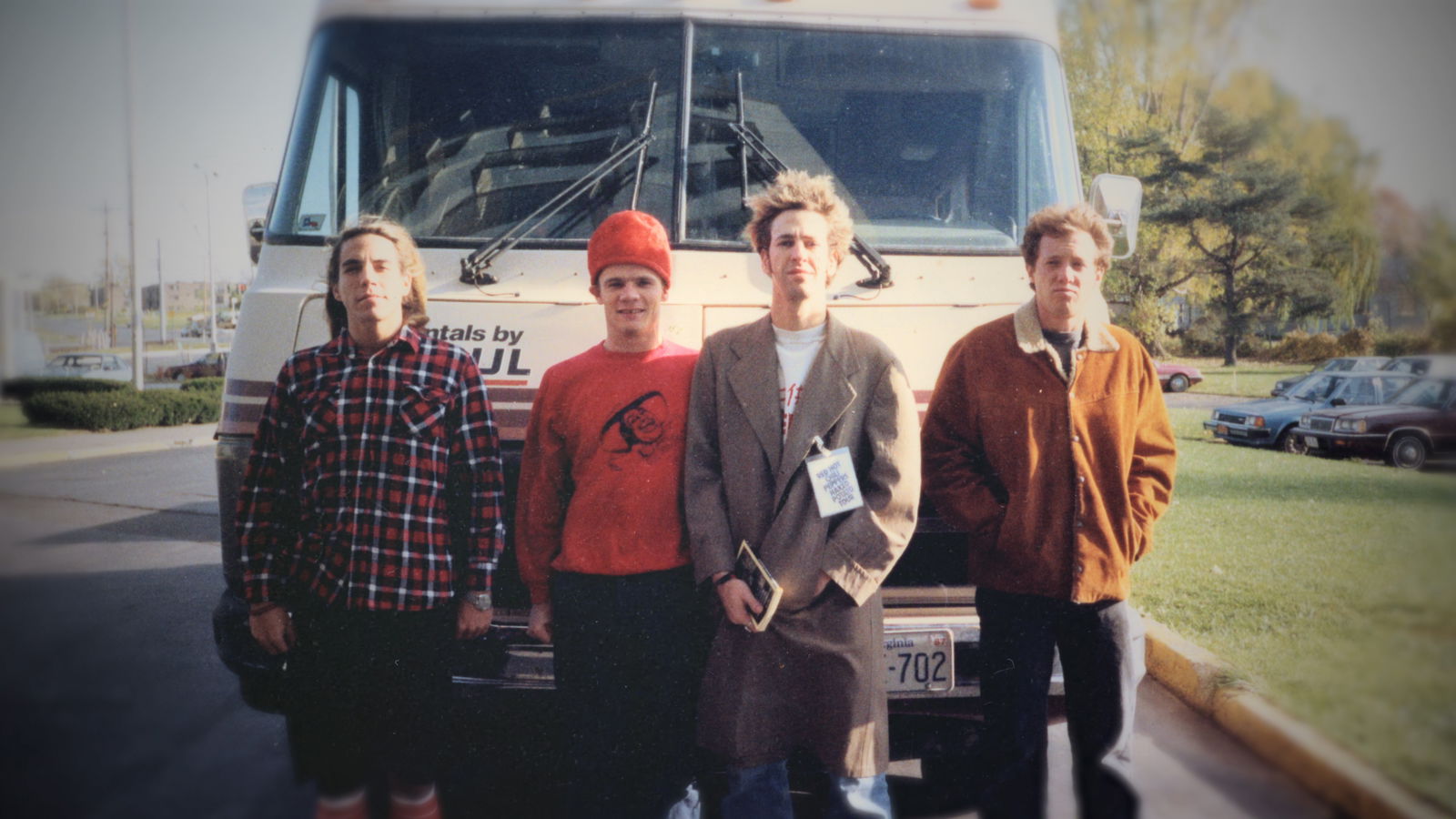
When you are listening to a song and the guitar solo pales in comparison to a bass riff, you know it is the Red Hot Chili Peppers. Nearly half a century in and still making music, still relevant. That is no small feat. For casual fans who jumped on the 'Blood Sugar S** Magik' wave and mostly know the John Frusciante years, Hillel Slovak was the band’s original guitarist and a founding member.
Netflix's latest release, The Rise of the Red Hot Chili Peppers: Our Brother, Hillel, puts him at the center, as band members look back on their early days with warmth and nostalgia. However, the documentary struggles slightly with its identity. It often feels caught between being a tribute to Slovak and a broader story about the band’s rise.
The overlap works in parts, but it can leave viewers wondering what the core focus really is.
ADVERTISEMENT
Article continues below this ad
The origins of a wild brotherhood
It all begins in mid-70s Los Angeles, a place bursting with sunshine, rebellion, youth, and excess. Flea had just entered high school after emigrating from Down Under, feeling like an outsider from the start. He dreamed of becoming musician in a jazz band, or maybe even opening a 7/Eleven, he recalls with a laugh.
That’s when he formed an unlikely friendship with Anthony Kiedis. The two clicked almost instantly and became inseparable. One day, while hitchhiking across the freeways of L.A., they met Slovak. What followed was an immediate bond, fueled by music, and a shared sense of chaos.
The documentary then traces their early journey through bands like Anthym and What Is This before they eventually became the Red Hot Chili Peppers. At the center of it all is Slovak, holding everyone together like a magnet. Tall, lanky, and effortlessly charming, he is portrayed as both a gifted guitarist and a deeply creative soul.
He introduced Flea to rock music and pushed him to pick up the bass, even convincing him to perform on stage within weeks, all this when they were stoned to the bone, cooped up inside Hillel's Datsun with 'Riders on the Storm' playing on the stereo. Those early moments feel raw and cinematic, almost too wild to be real. It’s the kind of origin story that sounds straight out of a Hollywood script, until the cracks begin to show.
As the band began to rise, so did their addictions. What started as experimentation soon spiraled into dependency. While Flea recognised the danger early and stepped back, Slovak and Kiedis continued down a far more dangerous path. Kiedis and Slovak come to represent two very different faces of addiction.
Kiedis is loud, impulsive, and outwardly chaotic, going on extended benders and even getting kicked out of the band at one point. His struggles are visible and explosive. Slovak, on the other hand, is quiet and inward. He continues to perform and function, but the damage is happening beneath the surface.
His bandmates notice the gradual shift, the increasing reliance, and the fading spark that once defined him. The documentary captures this decline with a sense of inevitability. Slovak’s health deteriorates, his presence dims, and the weight of addiction becomes impossible to ignore.
When his death finally comes, it lands with devastating force. He dies of an overdose, and the moment hits like a punch to the gut. It is here that the documentary fully lives up to its title, not just charting the rise of a band, but honouring the memory of someone central to its soul.

But this is not just another run-of-the-mill music documentary. Two key technical elements elevate its impact and make it stand out.
A visually immersive and personal experience
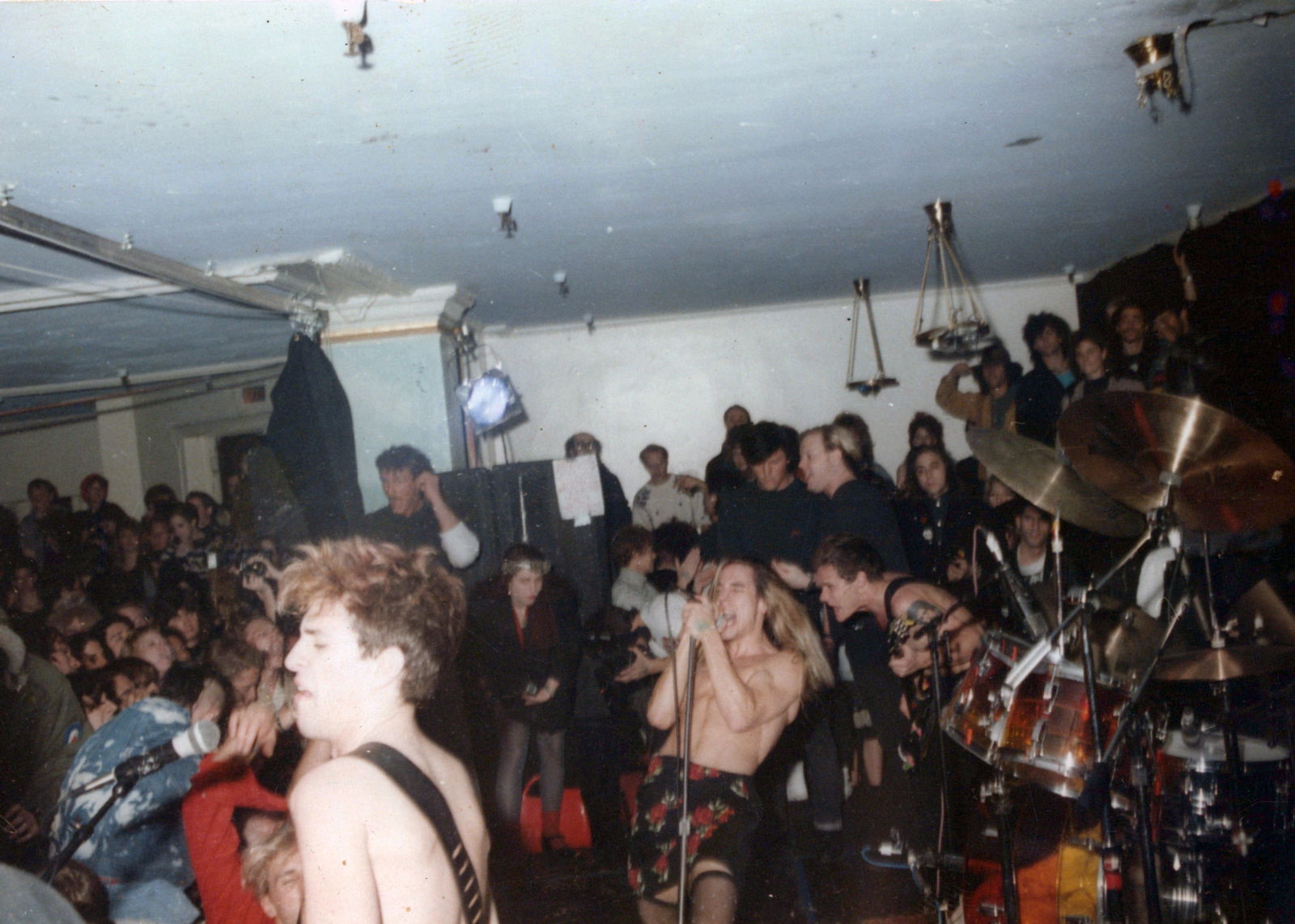
First are the visuals. Archival footage, old photographs, and hand-drawn artwork blend seamlessly to recreate the era. The experience feels immersive, almost like stepping into a time capsule of Los Angeles in the late 70s and early 80s. The acid-soaked artwork, including Slovak’s own sketches, is especially striking. It is vibrant, chaotic, and deeply personal, giving the film a scrapbook-like quality.
Credits: Netflix
Credits: Netflix
These visuals are further amplified by the music, with early tracks like 'S** Rap' and 'Fight Like a Brave' adding to the raw energy. Equally powerful are Slovak’s journals, which are brought to life through a recreated voice. These entries form the emotional backbone of the documentary, offering a direct window into his thoughts and feelings.
ADVERTISEMENT
Article continues below this ad
He writes about his ambitions, his relationships, and his growing dependence on drugs. The honesty in these passages is difficult to ignore, and at times, deeply unsettling. It feels less like narration and more like confession. These moments place the viewer inside Slovak’s mind, making the experience far more intimate than a typical retrospective. It is not just about what happened, but about how it felt from the inside.
In the end, The Rise of the Red Hot Chili Peppers: Our Brother, Hillel works best when it embraces this emotional core. It is both a celebration of a band finding its voice and a sobering look at the cost of that rise. It leaves you with admiration for the music and a lingering sense of loss for the man who helped shape it.
ADVERTISEMENT
Article continues below this ad
What is your review of the The Rise of the Red Hot Chili Peppers: Our Brother, Hillel ? Let us know in the comments.
ADVERTISEMENT

Edited By: Hriddhi Maitra
ADVERTISEMENT
ADVERTISEMENT
