
‘The Crown’ Returns on Netflix for a Victorian Death Age Saga Set in 1900s: All We Know So Far
Credits: Justin Downing/ Netlfix
Credits: Justin Downing/ Netlfix
The final curtain of The Crown on December 14, 2023, lingered like a state funeral, yet even in its closing breath, its next chapter is already taking shape, with a prequel set to feature the death of Queen Victoria in 1901. Season 6 closed its reign by threading the monarchy through grief, transition, and reluctant modernity, from the aftermath of Princess Diana’s death in 1997 to a carefully measured glimpse of Prince William and Kate Middleton’s early courtship.
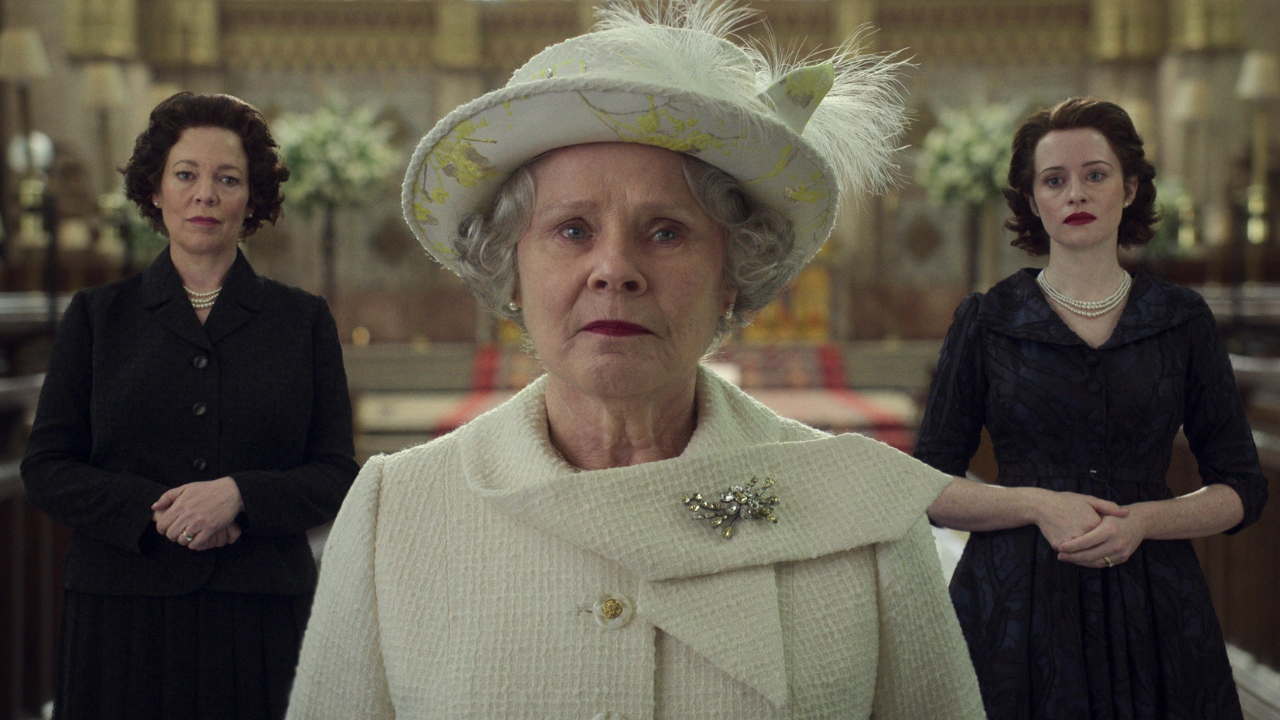
Imelda Staunton’s Queen Elizabeth II stood at the center of it all, aging, introspective, and acutely aware that the institution she embodied was outlasting the world that made it necessary.
And yet, in true royal fashion, an ending is merely a prelude in better tailoring.
The Crown rewinds the clock with Netflix
There is now a calculated pivot underway. Netflix is reportedly moving forward with a prequel for The Crown, an ambitious spin-off that rewinds the clock to the death of Queen Victoria in 1901, tracing the monarchy through a volatile half-century up to Princess Elizabeth’s 1947 wedding. What makes this prequel compelling is how it will cover post-Victorian Britain grappling with industrial might, imperial strain, and two world wars.
It is a period where the crown was negotiating its survival in real time after Queen Victoria's passing. The Isle of Wight, where she died, becomes a symbolic threshold, the end of an era that believed in permanence.
The deal of the series, said to be worth up to £500 million, roughly $676 million, signals more than confidence; it is a declaration that The Crown’s mythology still has fertile ground to mine. At the helm, Peter Morgan is expected to return, which matters. His authorship has always thrived on juxtaposition, intimate human frailty against the machinery of power. His earlier comments about “going back in time” were a creative thesis.
But before this pivot was confirmed, the audience appetite was pointed elsewhere.
From Megxit to monarchy’s origins
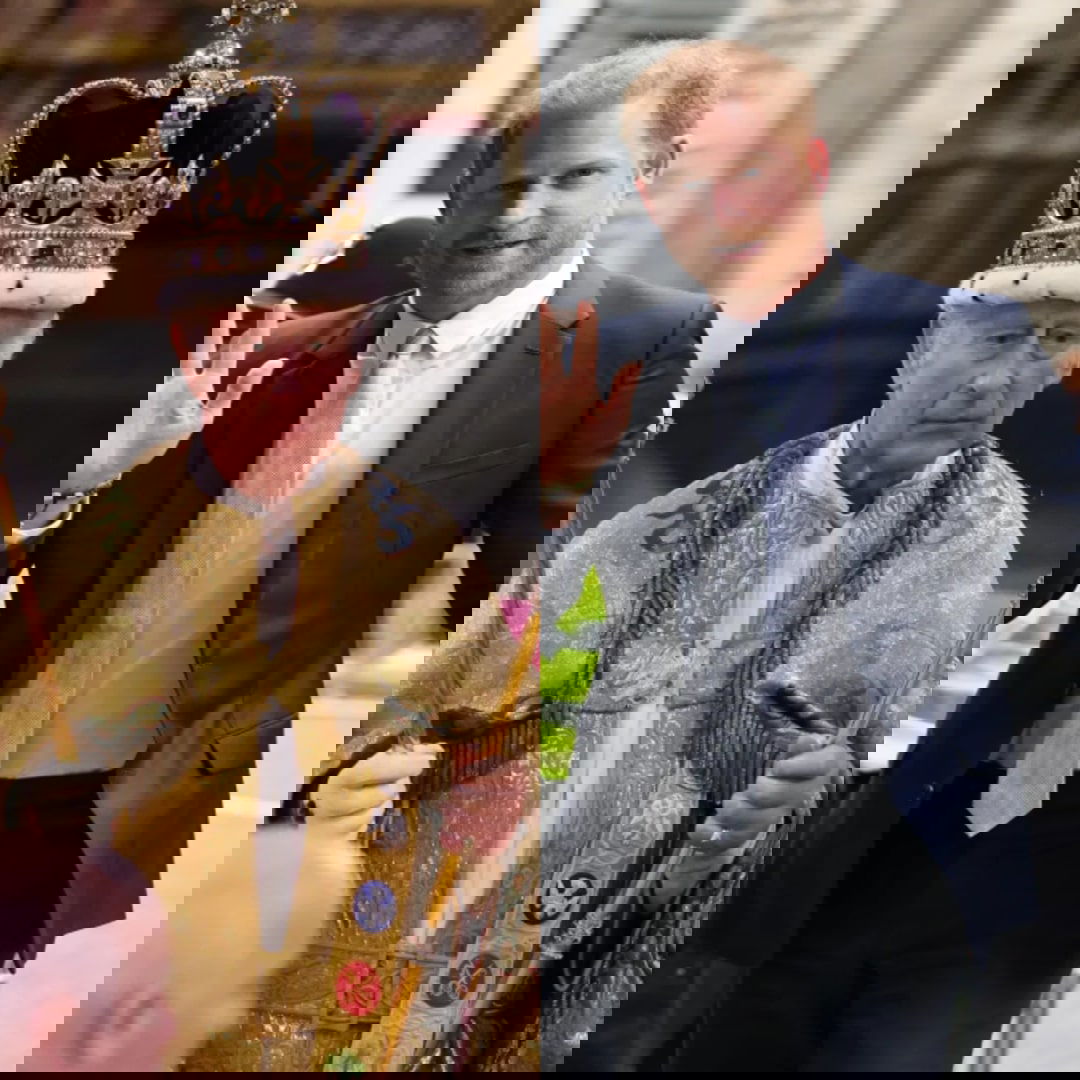
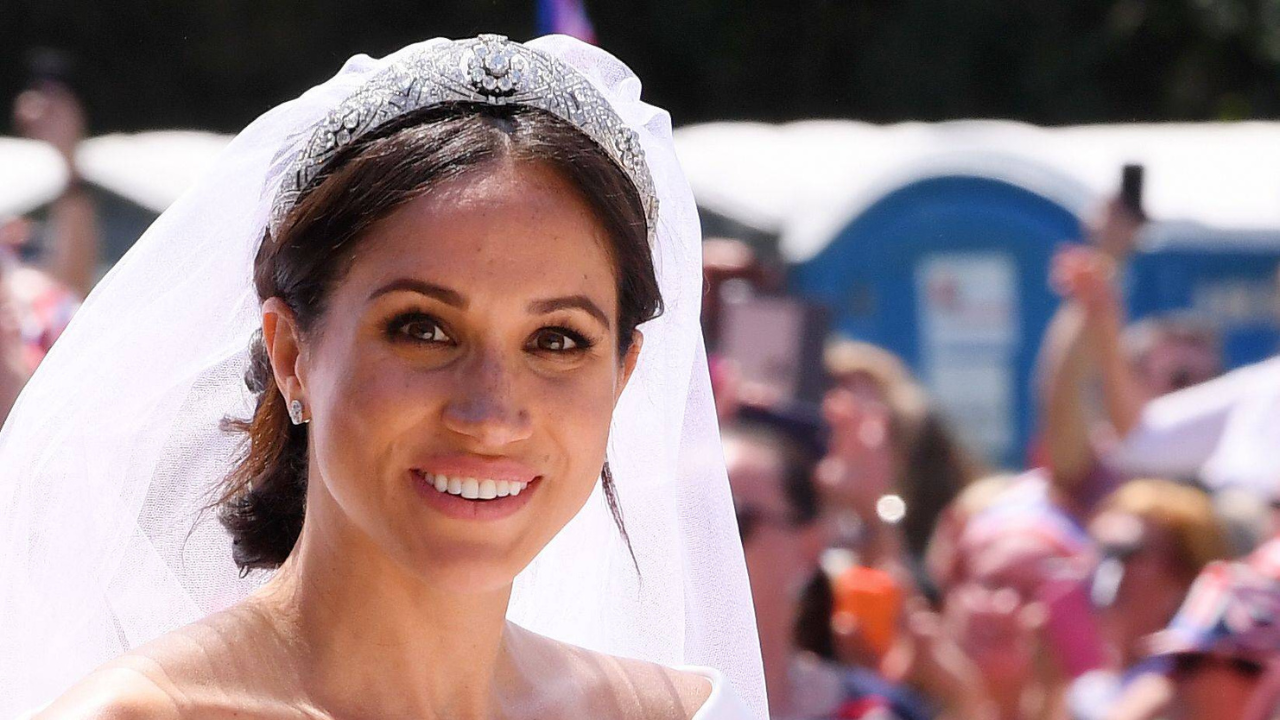
For years, speculation around a new season of The Crown fixated on how it would handle “Megxit”, the departure of Prince Harry and Meghan Markle, and whether the series would edge closer to contemporary controversy. That curiosity now feels almost misplaced. Instead of chasing immediacy, the franchise is retreating strategically, choosing depth over proximity.
Because The Crown, at its best, was never gossip television. It chronicled the British royal family from Elizabeth’s ascension in 1952 through decades of political friction, personal compromise, and cultural evolution. From the Churchill years to Thatcherism, from royal marriages to public unravelings, it functioned as both archive and interpretation, never fully neutral, always meticulously staged.
This prequel, then, is a recontextualization. It asks a sharper question: what shaped the monarchy before it learned to perform itself for television? If The Crown taught its audience anything, it is that power is as much about endurance as it is about image. Endurance that summons Netflix documentations by the very makers of history.
What do you think? Does the story of The Crown belong in the past, or should it confront the present head-on? Share your take in the comments.

Edited By: Adiba Nizami
