
The Birds, the Bees, and the Bridgertons: How the Show Uses Female Desire to Tell Its Boldest Stories
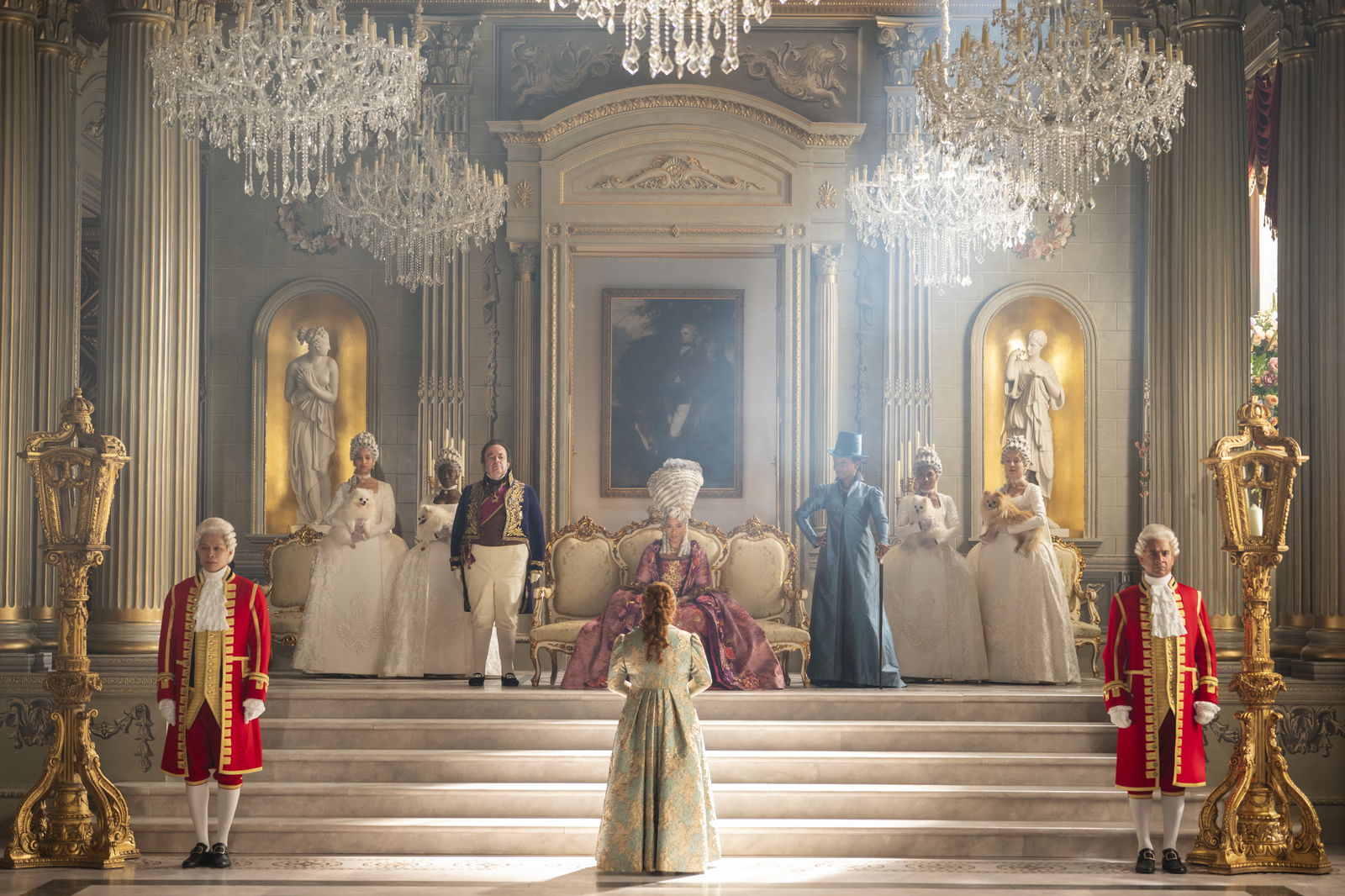
Bridgerton Season 4 Part I is finally out and fans are all in for it. Contrary to Season 3’s major disappointment over the lack of depth in characters and changing narratives from the books, Season 4 so far is genuinely off to a good start- honesty to the source material and everyone, even the side characters wearing their hearts on their sleeves.
For its ballrooms, declarations and diamond-studded courtships, Bridgerton has always been a show about something far more intimate: what its women are never taught. And across the four seasons, it has almost become a ritual to return to the question of female desire, exposing how the Regency era groomed its women: they know how to manage a house, arrange a table, and be the ‘perfect’ wives but failed to educate them about pleasure, reproduction and their own bodies.
In this regard, each season has always brought in a different facet of this ignorance: sometimes comic, sometimes heartbreaking, sometimes radically empowering. And taken together, these arcs form one of the show’s boldest through-lines. So before Part II arrives, it is worth tracing how Bridgerton has unpacked female desire season after season, through different women who were never allowed to know, and how transformative it becomes when they finally learn.
ADVERTISEMENT
Article continues below this ad
Season 1: Daphne Bridgerton’s naivety on how babies are born
In Season 1, Daphne Bridgerton becomes the show’s earliest and clearest example of how thoroughly Regency society kept young women uninformed about the most fundamental aspects of marriage and intimacy. Despite her beauty, grace, and perfect training as the Queen’s “diamond,” Daphne enters her marriage with Simon knowing almost nothing about how children are conceived or what a marital relationship truly involves.
This is not a creative liberty; it is faithful to Julia Quinn’s novel The Duke and I, where Daphne’s sheltered upbringing is central to her early misunderstandings with Simon. Her mother’s vague metaphors and society’s insistence on 'proper decorum' leave her unequipped to navigate the realities of married life. It is only after stepping into her new role as a wife, and learning through experience rather than education, that Daphne begins to understand her own desires and the emotional complexities tied to them.
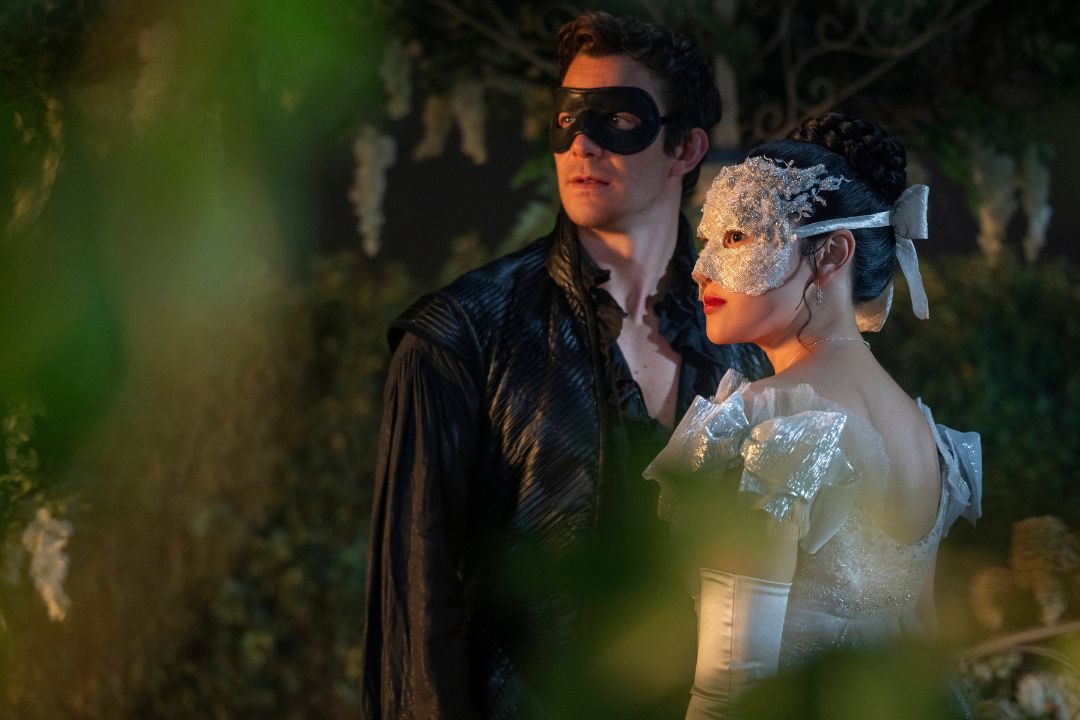
Her journey sets the foundation for Bridgerton’s ongoing commentary: that women of the era could flawlessly host a dinner party, stitch an embroidery hoop, or read a room, yet remain utterly unprepared for the most personal part of their futures.
Season 2: Kate Sharma — The one who knew desire but forbade herself to feel it
While Season 1 talked of innocence via Daphne, Kate, in Season 2, represented restraint. Kate understands attraction, recognizes the pull she felt towards Anthony Bridgerton, and is fully aware of what a true connection can mean. And yet, she struggled, which was not due to her lack of knowledge but about the boundaries she set, where her younger sister should get everything, with her desires always taking a backseat.
Raised to protect her sister’s future and uphold her family’s fractured position in society, Kate carries the weight of duty so heavily that she convinces herself she has no right to want anything purely for her own happiness. Her growing bond with Anthony becomes a battle between expectation and emotion: she knows what her heart is telling her, yet she repeatedly questions whether she is allowed to pursue it at all.
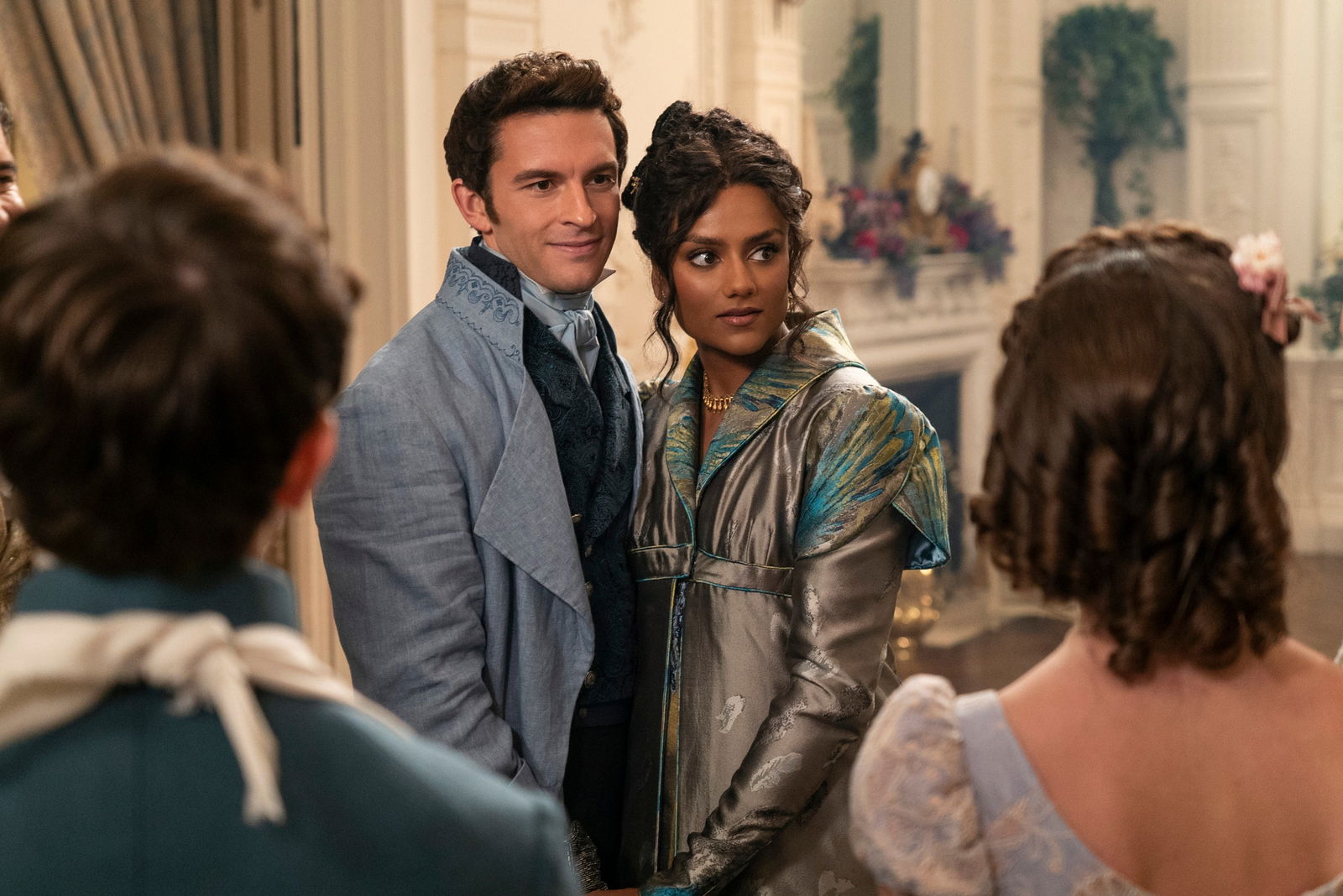
Where Daphne’s arc exposes the absence of guidance, Kate’s story highlights something equally restrictive: the belief that a woman’s desires are secondary to her obligations. Her season becomes a slow, breathless unravelling of that belief, showing that ignorance is not the only barrier women faced; sometimes it was the fear of choosing themselves.
Season 3: Philippa Featherington — When innocence turned into comical confusion
The show returned again in Season 3 to the theme of women’s limited understanding of intimacy through Philippa Featherington’s befuddlement and panic. Within the Featherington household, she and her sisters are pressured by their mother to secure heirs, yet Philippa is shown genuinely confused about how children come about, so much so that she worries a simple kiss with her husband might already have resulted in a child.
The show’s humorous treatment of Philippa's misunderstanding highlights a deeper truth: even after marriage, women could remain astonishingly uninformed about the realities of their own futures. Regency society prized decorum and reputation over practical knowledge, leaving women to guess, sometimes wildly, about the most fundamental aspects of adult life. Through Philippa's comic panic, Bridgerton underscores that this ignorance was not just charming or quaint; it reflected a real historical silence around women’s lived experiences.
Season 4: Francesca and Violet — Discovery and reclamation in the Bridgerton world
In Season 4 Part-I, Bridgerton expands its ongoing conversation about women’s understanding of emotional and physical closeness through two very different arcs: Francesca’s inquisitiveness and Violet’s rediscovery of her own joy.
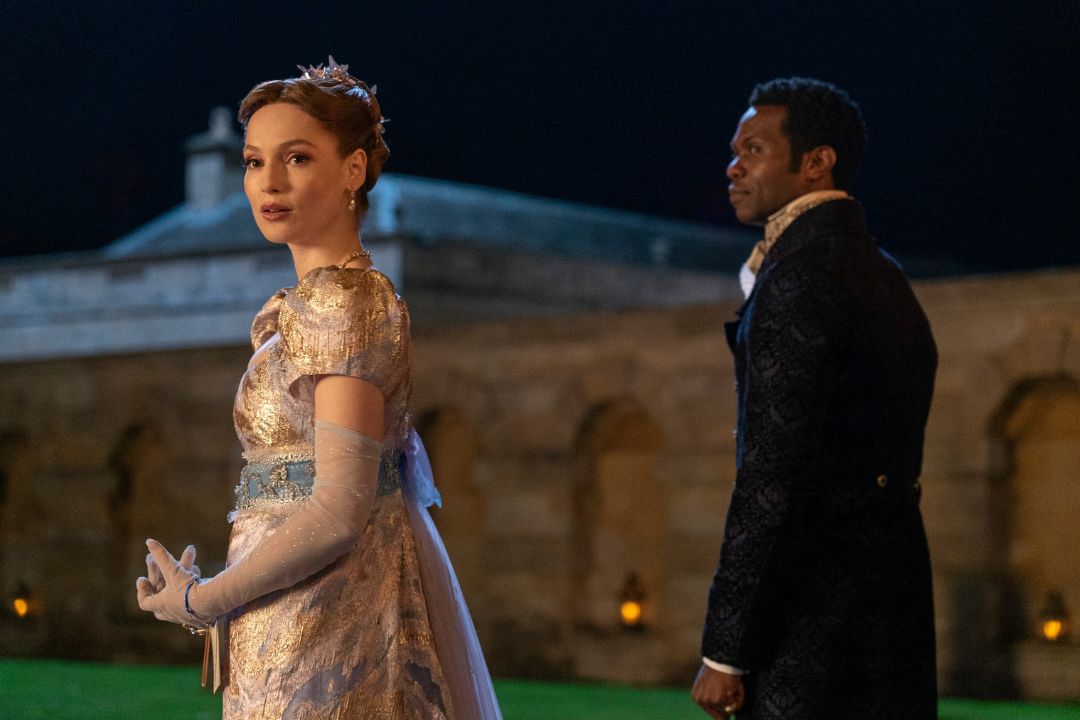
Francesca Bridgerton, newly married to John Stirling, finds herself puzzled as to why she is not with child yet and why her experiences with John do not match the bliss she expected. While she does ask her mother, Violet Bridgerton, this time, who accepts that she did a disservice to Daphne, she is still left with unanswered questions due to the use of bees, birds, gardens, and whatnot. It is only when she requests Penelope not to use any idioms, hyperboles, and symbols that she understands and knows what she is missing. Francesca's struggle for a pinnacle and to explore the aspects of intimacy can also hint at the future plot with Michaela, exploring her queer identity.
Francesca's case is not just a plot device; it reflects how little women were taught about their own pleasure and emotional responses in an era of formality and restraint, and how those silences can shape a woman’s understanding of herself and her marriage.
ADVERTISEMENT
Article continues below this ad
Meanwhile, Violet Bridgerton, once the ever-proper matriarch who taught her daughters all the rules, finds herself confronted with her own long-buried desires. Her evolving relationship with Lord Marcus Anderson marks a quiet but profound shift: a woman in the later years of her life allowing herself to feel admired, desired, and worthy of affection. In a season filled with youthful curiosity, Violet’s story serves as a counterpart to her daughter’s uncertainty, where Francesca’s narrative is about discovery and questions, Violet’s is about acceptance and reclaiming joy.
What makes Bridgerton more than just another period romance is its willingness to unravel the threads that history left unexamined, especially when it comes to women’s inner lives. Across four seasons, the series has returned again and again to what was never taught, what was never spoken, and what was quietly feared or dismissed.
ADVERTISEMENT
Article continues below this ad
What do you think about Bridgerton's discourse of talking about female desires in each season? Let us know in the comments below.
ADVERTISEMENT

Edited By: Hriddhi Maitra
ADVERTISEMENT
ADVERTISEMENT
