
'Alice in Borderland' Creator Reveals the Real Life Inspiration and Ideas Behind the Global Netflix Sensation
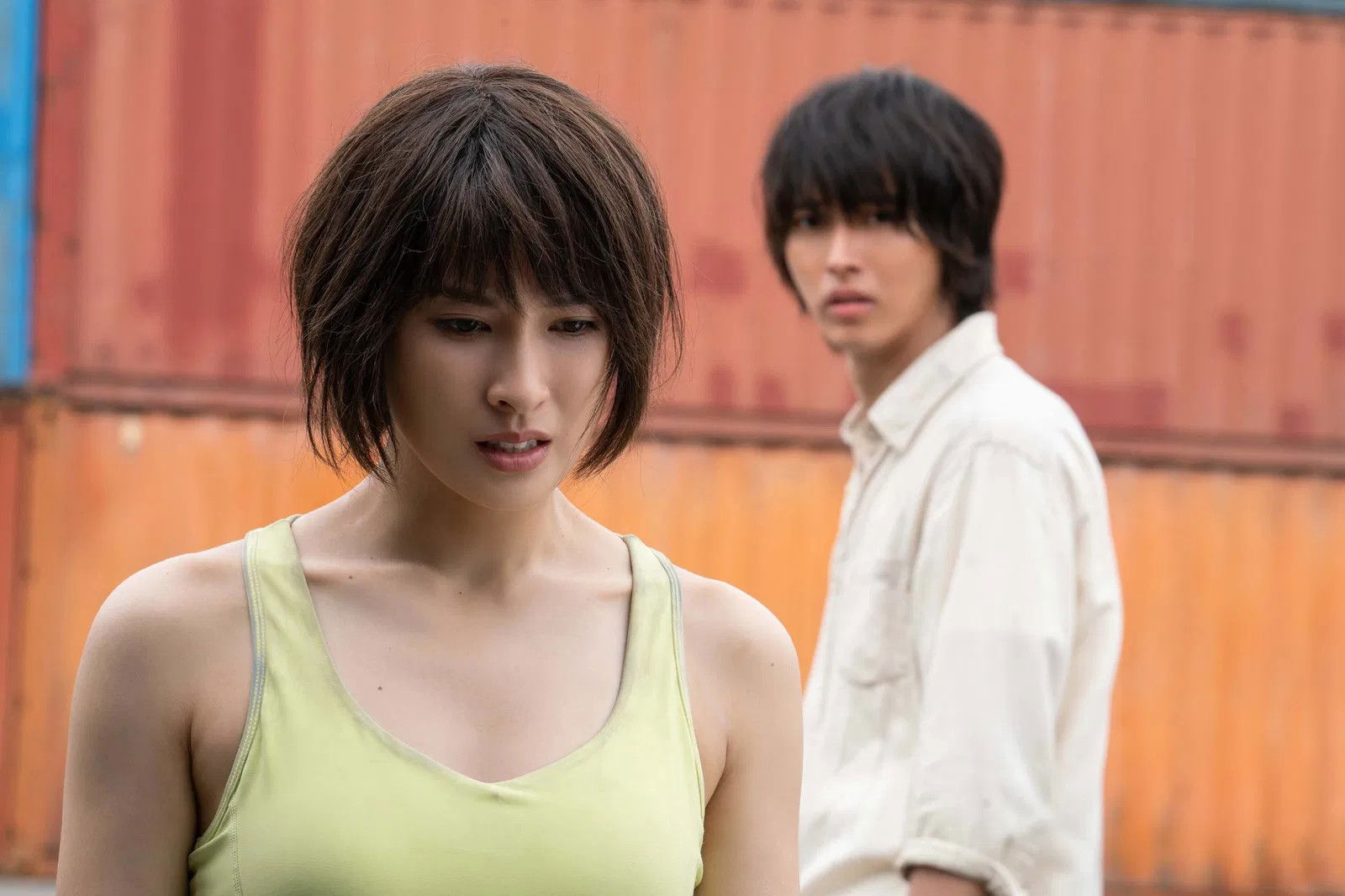
Netflix’s Alice in Borderland has captivated a global audience with its gripping narrative and dynamic characters. Yet, perhaps its most striking feature is not just the thrilling games or stunning visuals. The show turned Tokyo, a city famously known for being packed with people at all hours, into a hauntingly deserted crossroad for the characters' fates. This unusual choice set the stage for an immersive yet unsettling experience through one of the world’s busiest epicenters.
What happens when one of the world's most happening cities on Earth turns into a ghost town?
The vision behind Alice in Borderlands deserted Tokyo
ADVERTISEMENT
Article continues below this ad
Shinsuke Sato, the creator of Alice in Borderland, shared with The Hollywood Reporter: the surprising inspiration for the show’s empty Tokyo. He explained that while many films depict deserted cities, none capture Tokyo’s unique essence. Having lived in Shibuya for a decade, Sato noticed it had only recently transitioned into a full-fledged tourist hub. It was this experience of change, reminiscent, almost, that made him imagine chillingly that “what if all of these people disappeared from here?”, a question that seeded the series’ visual tone.
The show’s depiction of Shibuya turning from a bustling, vibrant district into a silent, empty space creates an unforgettable, eerie atmosphere. Sato’s goal was to instill a deep sense of unease, he admitted to The Hollywood Reporter, by showing a place known for clamor and crowds reduced to pin-drop silence. This transformation adds psychological tension to the story and immerses viewers in the unsettling reality faced by the characters.

Despite the unease and chaos, the world had held its breath as Alice in Borderland got down to delivering a finale that rewrote streaming history.
Alice in Borderland's redefinition of streaming success
Alice in Borderland’s third and final season finale arrived amid intense anticipation on September 25, 2025, on Netflix, driving a surge in viewership globally from the get-go. The series consistently ranked in Netflix’s top 10 in over 30 countries, with the finale episode drawing millions of viewers within its first week alone, as if breaking a Guinness World Record would not be enough, it broke what House of Guinness had made in numbers too. Praised for its intricate plot twists, cinematic scale, and advanced CGI that brought Tokyo’s deserted streets to life in stunning detail, the finale generated a peak in engagement, confirming the show’s status as a flagship Netflix global hit.
ADVERTISEMENT
Article continues below this ad
All the while, Shinsuke Sato’s approach integrates urban sociology concepts with cinematic dystopia, making Alice in Borderland a case study in narrative-driven production design. The depiction of an empty Tokyo acts as a living metaphor for societal dislocation and urban fragility, reflecting demographic shifts and recent global disruptions. Sato’s personal experience drove a plot that reflected the realistic representation of space and crowd dynamics, contributing to the show’s immersive authenticity that could be blueprinted for years to come.
ADVERTISEMENT
Article continues below this ad
What do you think of Shinsuke Sato's reason behind Alice in Borderland's silent Tokyo city? Let us know in the comments below.
ADVERTISEMENT

Edited By: Aliza Siddiqui
ADVERTISEMENT
ADVERTISEMENT
