
7 TV Shows That Were Too Successful for Their Own Good
As 2026 shapes up to be a big year for television, with major returns and new premieres taking over screens, the spotlight on TV has only grown stronger after popular shows like Stranger Things and The Summer I Turned Pretty wrapped up in 2025. From returning HBO dramas to expanding franchises and streaming hits, the industry continues to move at a fast pace. But even as new stories rise, some of the biggest shows in TV history remind us how success can sometimes push a series beyond its peak.
Here are 7 TV shows one should not miss, as they were too successful for their own good.
The Boys
ADVERTISEMENT
Article continues below this ad
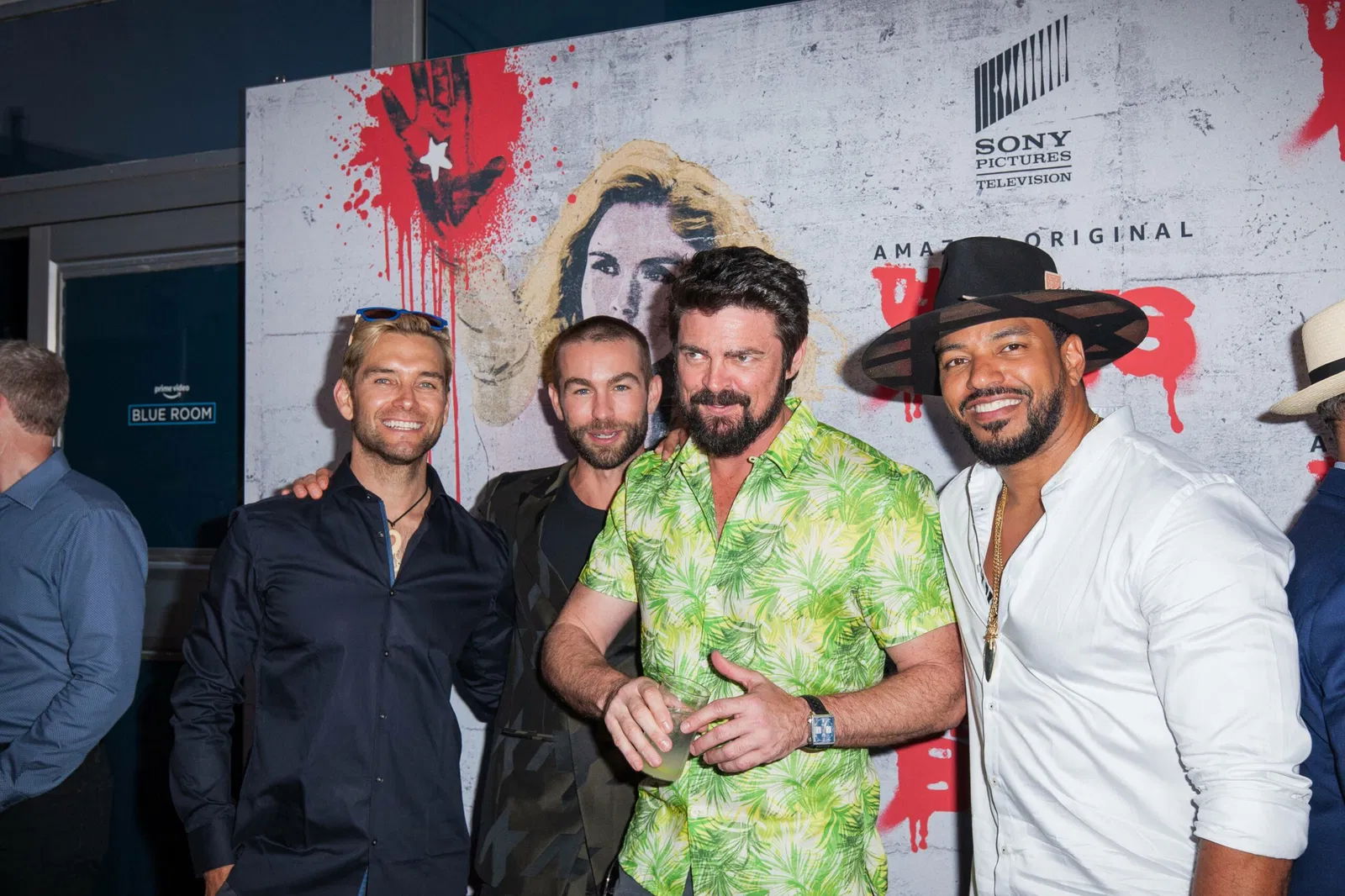
The Boys is an American satirical superhero drama that premiered on July 26, 2019 on Amazon Prime Video. The series follows a group of vigilantes led by Billy Butcher as they take on the corrupt superhero team known as the Seven. From its very first season, the show built a strong grip on audiences, with Season 1 scoring 85%, before raising the bar with 97% in Season 2 and peaking at 98% in Season 3, while Season 4 continued to hold strong at 92%, reflecting its consistent hold on viewers.
That growing fanbase only pushed the franchise further, with the story expanding across seasons and building anticipation for its final chapter. The series is now set to return with its fifth and final season on April 8, 2026. The cast includes Karl Urban, Jack Quaid, Antony Starr, Erin Moriarty, Dominique McElligott, Jessie T. Usher, Laz Alonso, Chace Crawford, Tomer Capone, Karen Fukuhara, and Elisabeth Shue.
While The Boys leans into dark satire and chaos, television also found massive success in comfort storytelling, where humor, friendships, and long-running narratives kept audiences coming back, as seen with How I Met Your Mother.
How I Met Your Mother
With over nine seasons filled with laughter, love, and long-running friendships, How I Met Your Mother first ruled screens in 2005 on CBS and continued its run until 2014. The series followed Ted Mosby’s journey of finding “the one,” holding audiences together through its central mystery while earning strong praise, with several seasons even reaching 100% on the Tomatometer. However, as the show stretched across seasons, later ratings dipped and its finale divided fans, leaving a lasting debate around its ending.
Despite that, the show remains a cultural favourite, with fans still holding on to its characters and moments years after it ended. The ensemble cast includes Josh Radnor, Jason Segel, Alyson Hannigan, Neil Patrick Harris, Cobie Smulders, and Cristin Milioti, whose performances shaped the identity of the series. Even with its polarising conclusion, its legacy as one of television’s most loved sitcoms remains intact, available for streaming on Hulu in the United States.

As comforting as How I Met Your Mother has been, the next TV show takes a sharp turn into a far darker, post-apocalyptic world with The Walking Dead.
The Walking Dead
The Walking Dead follows a group of survivors trying to stay alive in a world overrun by walkers, where every death carries the threat of turning and survival often depends more on humans than the undead. Based on the comic by Robert Kirkman, the series premiered in 2010 on AMC and went on to run for 11 seasons until 2022. From the start, it gained strong critical praise with Season 1 scoring 87%, peaking at 90% in Season 5, before dipping to 65% in Season 8 and closing with 80% in its final season, reflecting its fluctuating reception over time.
Despite the original series ending, the franchise continues to expand with multiple spin-offs, including Daryl Dixon heading toward its fourth and final season and Dead City moving into Season 3, both expected around 2026. The show built its legacy through a strong ensemble cast featuring Andrew Lincoln, Norman Reedus, Melissa McBride, Lauren Cohan, Danai Gurira, and Jeffrey Dean Morgan. Even after its long run, its ever-expanding universe shows how its success pushed the story far beyond a single series.
The Big Bang Theory
What started as a quirky sitcom built around science and socially awkward brilliance soon grew into one of television’s biggest successes, as The Big Bang Theory turned everyday nerd culture into mainstream entertainment. Premiering in 2007 on CBS, the show followed a group of scientists and their neighbour Penny, running for 12 seasons until 2019, with early seasons earning strong praise, even reaching 100% in multiple runs, before later seasons saw a shift as storytelling became more repetitive and character arcs lost their edge.
Despite that, the franchise continues to expand beyond its original run, with spin-offs like Young Sheldon and new projects in development keeping its universe alive. The show featured a widely loved cast including Jim Parsons, Johnny Galecki, Kaley Cuoco, Simon Helberg, and Kunal Nayyar, whose performances carried the sitcom through its long run. Even so, its extended success often pushed the story beyond its natural peak, making its later seasons feel stretched compared to its early charm.
From a sitcom that stretched its charm over time, the next takes a turn into a long-running fantasy journey, where success pushed the story far beyond its original vision
Supernatural
Created by Eric Kripke, Supernatural began as a dark fantasy following two brothers hunting supernatural forces across America. Premiering in 2005, it was originally planned as a five-season arc, but its massive popularity extended it to 15 seasons until 2020, making it one of the longest-running fantasy shows. As the story expanded, later seasons often felt stretched, moving beyond their tightly planned narrative.
Despite that, the show built a loyal fanbase and strong reception across its run. The cast, led by Jared Padalecki and Jensen Ackles, alongside Misha Collins, Mark Sheppard, Jim Beaver, and Alexander Calvert, carried the series through its long run. Even so, its extended success pushed the story beyond its original vision.
Game of Thrones
A name alone is enough to awaken its fandom, Game of Thrones stands as one of television’s most defining fantasy dramas. Created by David Benioff and D. B. Weiss for HBO, the series ran from 2011 to 2019, weaving together political power struggles, the rise of Daenerys Targaryen, and the looming threat of the White Walkers. For most of its run, it dominated critically with scores above 90%, peaking at 97%, before dropping sharply to 55% in its final season, marking a dramatic shift in reception.
Despite its global success, the show’s final season sparked intense backlash, overshadowing much of its legacy. The massive ensemble cast, including Peter Dinklage, Emilia Clarke, Kit Harington, Lena Headey, Nikolaj Coster-Waldau, Maisie Williams, and Sophie Turner, helped shape its cultural impact. Even so, its immense success ultimately raised expectations so high that its conclusion struggled to satisfy its audience.
From epic fantasy to a far more intimate darkness, the next takes us into the mind of a k***** with Dexter.
Dexter
Dexter first premiered in 2006 and ran until 2013, following Dexter Morgan, a forensic analyst who secretly lives a double life as a vigilante serial k*****. The series gained strong critical acclaim early on, peaking at 96% in Season 2 and maintaining momentum through fan-favourite arcs, before dropping sharply to 33% in its final season, marking a major shift in reception. Despite that decline, the story and character remained compelling enough to bring the franchise back through newer installments like Dexter: New B**** and beyond.
ADVERTISEMENT
Article continues below this ad
The franchise has since expanded into a full universe, with recent entries restoring its standing and new projects continuing to build its legacy. Led by Michael C. Hall alongside Jennifer Carpenter, and newer additions like Patrick Gibson and Christian Slater, the series continues to evolve, with Dexter: Resurrection Season 2 set for October 2026. Even so, its journey reflects how early success set expectations so high that its original ending struggled to match its peak.
As these shows prove, even the biggest successes in television can sometimes stretch beyond their peak, leaving behind legacies that are both iconic and imperfect

ADVERTISEMENT
Article continues below this ad
Which of these shows do you think went on for too long, or do you still love them the same? Let us know in the comments.
ADVERTISEMENT

Edited By: Aliza Siddiqui
More from Netflix Junkie on Hollywood News


ADVERTISEMENT