
Ranking Every 'Monster' Series Story on Netflix Worst to Best, Is 'Ed Gein' Really Last?
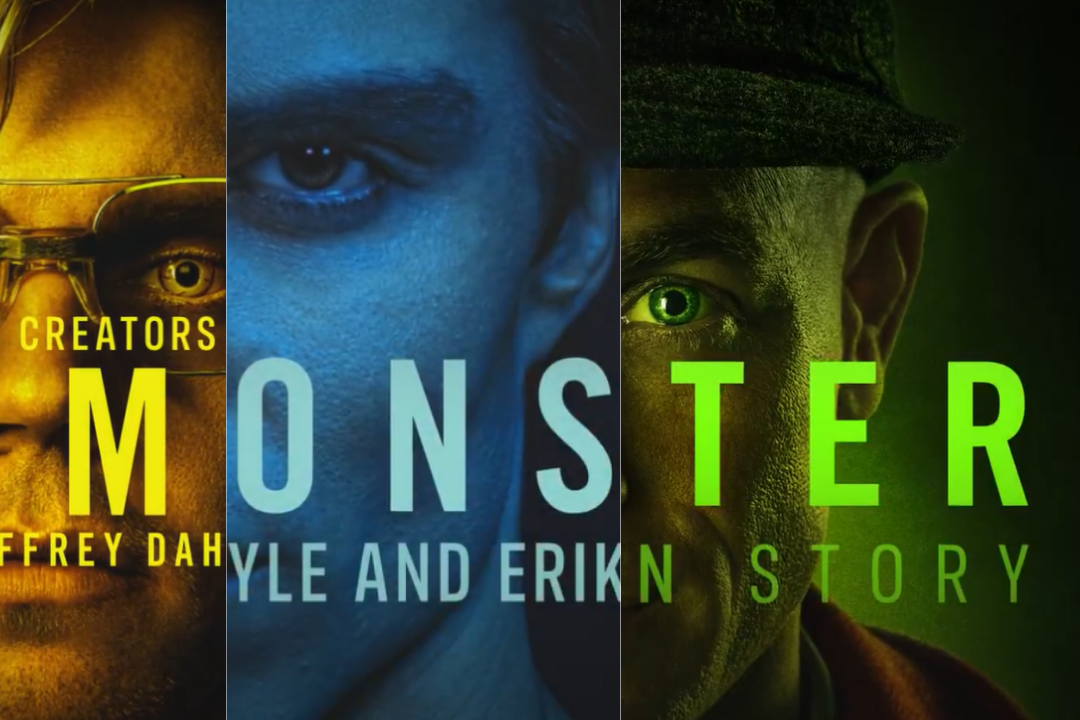
Netflix’s Monster series has carved a chilling niche in true crime dramatization, tackling notorious figures through a blend of gritty storytelling and detailed performances. With three seasons already aired: Dahmer – Monster: The Jeffrey Dahmer Story, Monsters: The Lyle and Erik Menendez Story, and Monster: The Ed Gein Story, crowds and critics alike debate the quality and impact of each. Ranking these tales from worst to best reveals surprising insights, especially about the oft-maligned Ed Gein installment. Is it really the weakest, or does it deserve more credit than it receives?
At first glance, the ranking seems obvious. Most viewers and commentators place the Ed Gein story at the bottom, a perception born from its slower pace and a narrative style that diverges from the other two. However, a closer look at the intentions, performances, and thematic depth complicates this assumption.
3. Monster: Why The Ed Gein Story struggles to scare beyond its legacy
ADVERTISEMENT
Article continues below this ad
Starting at the bottom, many argue that Monster: The Ed Gein Story struggles to match its predecessors’ gripping suspense and emotional punch. Unlike the first two seasons, which rigorously explore their predators’ psychological descent alongside the impact on victims and families, the Gein story often feels like a morbid history lesson. While it features strong production values and a commendable lead performance, it fails to capture the same dark magnetism of Dahmer or the twisted family dynamics in the Menendez series.
The episodes can be overly clinical, with a pacing that might disengage viewers expecting a more immediate thrill. The subject matter is undoubtedly disturbing—the real Ed Gein’s crimes deeply influenced horror lore—but the show’s approach opts more for atmospheric unease than brutal horror, which may alienate audiences looking for the visceral tension that defined the Dahmer season.

The Menendez brothers prove that sometimes the real monsters wear tailored suits and fight courtroom battles instead of wielding knives, with a family drama a little darker than the usual Thanksgiving scuffle. But is it still the most vicious of them all?
2. Lyle and Erik Menendez's mysteries—when family drama outweighs the monster mayhem
Moving up, Monsters: The Lyle and Erik Menendez Story on Netflix is arguably the most complex of the three. It diverges from conventional monster narratives by delving into familial dysfunction and the murky ethics surrounding justice and mental health. The Menendez brothers’ saga combines courtroom intrigue with psychological exploration, giving a layered perspective on what makes someone monstrous.
Its strengths lie in the interesting performances and the narrative’s willingness to resist clear villain-victim binaries, challenging viewers to grapple with uncomfortable questions despite the supposed factual discrepancies. However, this nuance sometimes sacrifices the emotional intensity that true crime fans crave, resulting in a slower, more procedural pace. Compared to Dahmer’s unflinching horror and deep dive into psychopathy, the Menendez story is less immediately terrifying but more thought-provoking.
1. Jeffrey Dahmer’s dark crown—the season that haunted Netflix and set the standard
At the top sits Dahmer – Monster: The Jeffrey Dahmer Story, which set a high bar for the series. This season is the most visceral, the most haunting, and, frustratingly, the most polarizing. Evan Peters’ portrayal of Dahmer is chilling, anchoring a story teeming with horror, tragedy, and systemic failure. The narrative does not simply recount crimes; it reveals a horrifying portrait of denial and negligence in institutions that failed victims repeatedly.
The season’s harrowing scenes and raw emotional weight hit viewers with relentless force, making it a difficult but essential watch. The storytelling blends graphic details with moments of human vulnerability, ensuring the series remains more than a sensationalist recounting. Its cultural impact and popularity, which even gave birth to its two successors, cemented it as the best installment to date. Despite all, its brutal intensity is not for the faint of heart.
Beyond the ranks—exploring the unique tones behind Netflix’s monster trilogy
The rankings' conventional wisdom, Dahmer first, Menendez second, Ed Gein last, makes sense when measuring immediate emotional engagement and narrative impact. But it is worth remembering that each season brings a different style and focus, a different way of interrogating the concept of monstrosity. Gein’s story may sit lower on the list for some, yet its quieter, more reflective tone stands apart as an attempt to grapple with horror’s roots in human psychology and cultural myth.
ADVERTISEMENT
Article continues below this ad
Ultimately, whether Monster: The Ed Gein Story deserves its low ranking depends on what viewers seek. True crime enthusiasts looking for psychological depth and a mythic quality might appreciate its subtleties. Fanatics craving adrenaline and intense emotional drama will likely stick to Dahmer’s nightmarish world or Menendez’s twisted family saga. The beauty and challenge of Netflix’s Monster series is precisely this variety. All three stories contribute to a broader understanding of monstrosity beyond the immediate headlines and chilling details.

ADVERTISEMENT
Article continues below this ad
Are these Monsters on Netflix ranked rightfully? Or do you believe there is more to numbering the horrors roster of the streamer? Let us know in the comments below!
ADVERTISEMENT

Edited By: Aliza Siddiqui
ADVERTISEMENT
ADVERTISEMENT
