
Netflix’s ‘Below’ Ending Explained: Has the Threat of the Creature Completely Left Snooks Arm?
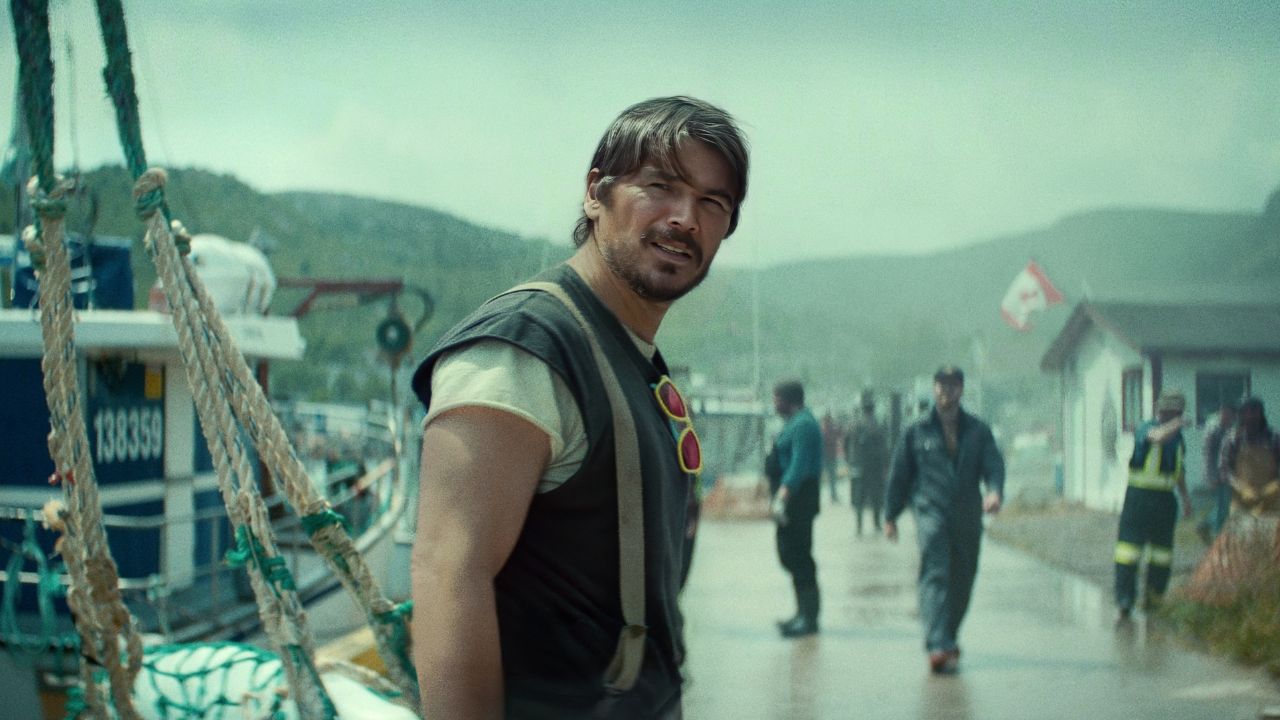
Credit: Netflix
Credit: Netflix
Netflix just tried its hand at a Jaws-inspired project called Below, headlined by Josh Hartnett. With a limited six-episode run, the miniseries really takes a stab at creature horror but, for some reason, it abandons that idea midway and goes the route of conservationist drama, which kind of just runs over the thriller tag the series has been proudly flashing. And it is not like what the show was trying to convey about humans and their greed being the biggest threat out there - even bigger than the scariest monster of the abyss - is not a compelling beat to tie the viewers. However, it does not really work here because of how the series sets itself up in the first half.
The first half spends a lot of its running minutes exploring the gruesome deaths dealt at the hands of the creature and how mysterious and deadly it is. From here on, it could have been an excellent creature vs. human fight. But the makers had something else in mind. They gave us an entirely different second half after titillating our imagination with gore and blood and an ending that was decent, but at what cost?
However, the ending does leave some doors open for a possible follow-up, and to know how, we need to go a little deep into the conclusion.
Below ending explained: The true intentions of the creature
The creature, which was identified as an older, ancient version of a giant squid, was initially primed to be out in the shallow waters because of the climate change that resulted in a loss of habitat and food resources. The deep-sea reserves became scarce, which pushed the cephalopod to the Snooks Arm harbor. But the ending completely changed that theory.

Credit: Netflix
Credit: Netflix
Marine researcher Dr. Fonda Howander (Mackenzie Davis) is left stunned by a staggering discovery: not only has she located the creature, but the beast is preparing to hatch a clutch of eggs. This startling biological reality instantly reframes the creature’s violent territorial defensiveness, revealing that the iceberg has essentially served as an elaborate nest all along.
This turning point brings the story's underlying environmental themes into sharp focus, highlighting how human encroachment and accelerating climate disruption are pushing vulnerable wildlife to the brink. It completely shatters Calvin (Josh Hartnett) and the rest of the team's initial perceptions, transforming the monster of their nightmares into a highly intelligent animal driven by pure maternal instinct.
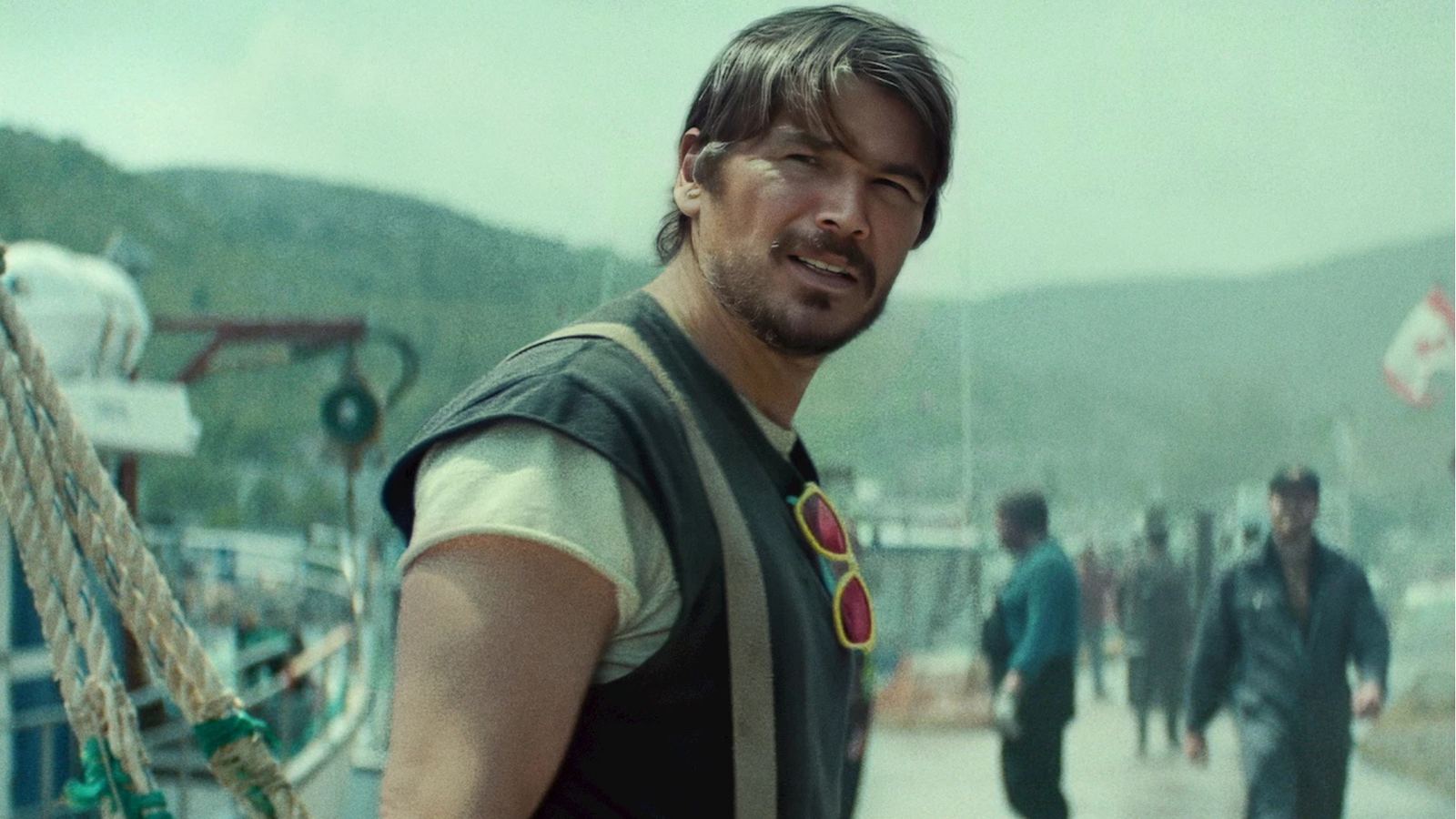
Rather than acting out of malice, the creature is simply fighting to safeguard her offspring against insurmountable ecological odds. For Calvin, this revelation strikes a deeply personal chord. Struggling fiercely to keep his own children safe and united amidst personal turmoil, he finds a mirror of his own desperation in the creature's fierce protectiveness, paving the way for his pivotal decision to step in and help her.
The Crockers’ ploy in the resettlement
For years, the powerful Crocker family has systematically forced residents out of tight-knit coastal communities with slick promises of prosperity in major urban centers - a predatory displacement tactic that uprooted Calvin's family and ultimately led to his father's tragic death. After finding himself stranded on what appeared to be a deserted island, Calvin uncovers the grim reality in episode 5: the forced evacuations were a calculated corporate land grab designed to clear the way for lucrative, covert copper and cobalt mining operations buried beneath the islands. Kept entirely in the dark, the unsuspecting locals had willingly walked straight into the Crockers' trap.
Armed with the truth about the corporate conspiracy, Calvin realizes he can no longer stand by and let the syndicate trample over vulnerable lives for profit. In a daring eleventh-hour escape, he races against time to expose the scheme, safeguard his family, and fight back to save his home. He fortunately gets wind of Crocker’s scheme to bomb the iceberg so that the creature and its nest are decimated along with the harbor, so that the residents have nothing to return to.
In a desperate bid to save the community, Calvin races to haul the creature’s nest away from the shoreline and back into deep waters, giving the mother and her unhatched brood a viable fighting chance at survival. This decisive action simultaneously strips the military of any justification to launch a destructive airstrike on the town's behalf. However, the maneuver completely derails the Crockers' lucrative development timeline.
The loose ends at the end
What happened to the Crockers after their ploy was exposed remains unknown. Whether they were punished for their deception or just walked away scot-free was not exactly shown in the conclusion. This uncertainty gives them wiggle room to make their way back to a second season as the main antagonists along with the main cast.
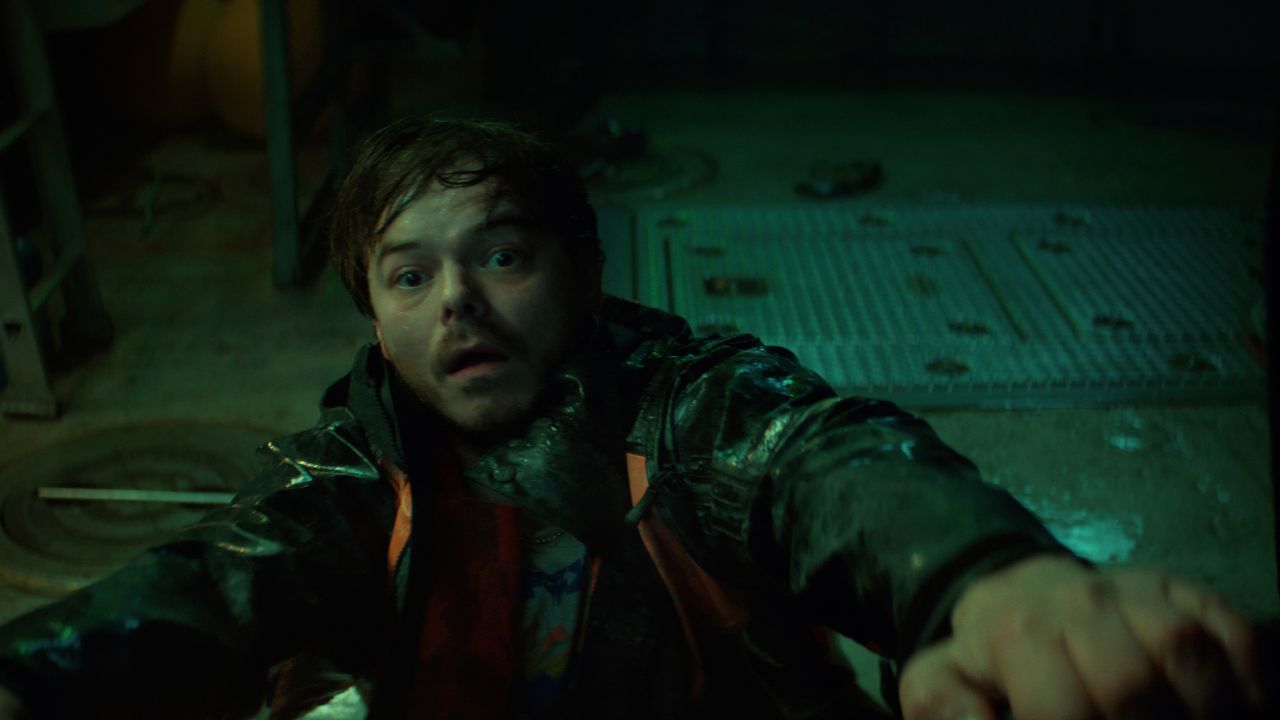
Credit: Netflix
Credit: Netflix
As for the creature, Fonda explains that cephalopods mate only once in their life and end up giving it for their young ones. But she also noted that the water was too warm for her offspring to survive, meaning her sacrifice was for naught. Yet, the closing moments offer a striking reversal, showing Calvin and Wade out fishing in the open waters where they are left completely stunned by the sight of massive new icebergs drifting into view - a visual heavily implying that the creature's eggs did, in fact, survive against the odds, setting up for a potential follow-up.

Would you like Netflix's Below to return for a second season? Do let us know.

Edited By: Adiba Nizami
