
Netflix Horse Girl Documentary: Inside the Story of a Horse, a Broken Bond, and an Attempted Murder
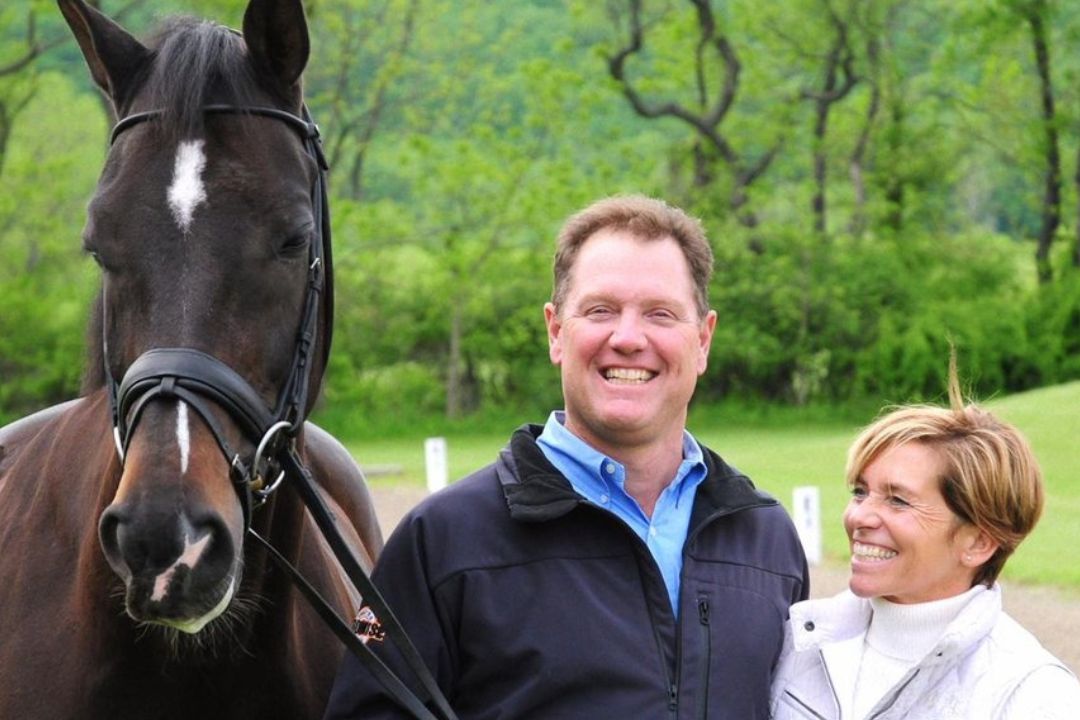
Credits: UNTOLD: The Shooting at Hawthorne Hill| @decider via X
Credits: UNTOLD: The Shooting at Hawthorne Hill| @decider via X
In the crowded ecosystem of Netflix documentaries, few formats feel as consistently engineered for cultural aftershocks as Untold. Developed by Chapman Way and Maclain Way, the anthology has built its reputation on excavating the fault lines beneath sports, stories like the Malice at the Palace, Manti Te'o’s catfishing saga, and Lamar Odom’s public image and survival. It thrives where spectacle meets psychology, where headlines stop and human contradiction begins.
So when Netflix unveiled Untold: The Shooting at Hawthorne Hill, it landed like a rupture. A pristine equestrian world, an Olympian trainer, and a student paying $5,000 a month collide in a story that escalates from professional friction to attempted murder.
The power, the money, and the breaking point in Untold: The Shooting at Hawthorne Hill
The documentary Untold: The Shooting at Hawthorne Hill opens by grounding viewers in the rarefied world of dressage, a discipline where control is invisible and authority absolute. At its center is Michael Barisone, a 2008 Olympic alternate whose reputation within the sport borders on myth. The film smartly positions him not just as a trainer, but as a gatekeeper, someone who can make or stall careers with a word.
Enter Lauren Kanarek, a fiercely ambitious rider who buys into that promise, literally. Paying a premium to train and live at Hawthorne Hill, her expectations are as high as the stakes. What begins as a transactional relationship slowly corrodes. The documentary leans heavily on first-person interviews, letting both sides construct their own narratives, often contradicting each other in real time.
Just when you think it is a story about entitlement and ego, the film pivots, hard.
Escalation, delusion, and the shot that changed everything
The second half of the documentary shifts into true-crime territory with chilling precision. Social media becomes a battleground, Lauren Kanarek’s Facebook posts, hundreds of pages strong, are presented not just as evidence but as psychological artifacts. Accusations fly, 911 calls stack up, and law enforcement appears repeatedly, yet never decisively.
By the time August 7, 2019 arrives, the audience already senses inevitability. Barisone retrieves a gun. Barisone shoots Kanarek twice in the chest and then fires at her boyfriend, missing him, as Kanarek survives and calls 911 herself.The act itself becomes the documentary’s moral hinge. Is it premeditation, as prosecutors argued, or the unraveling of a mind under siege, as the defense claimed?
The shooting is depicted with restraint, no sensationalism, just stark reconstruction. Kanarek survives two gunshots. Her boyfriend escapes. Barisone is arrested. What follows is a courtroom drama where the verdict, not guilty by reason of insanity feels like a philosophical provocation.
The documentary interrogates that verdict without resolving it, leaving viewers suspended between empathy and disbelief. Untold: The Shooting at Hawthorne Hill is not interested in clean villains or easy answers. It is about escalation, how unchecked conflict, power imbalance, and isolation can mutate into catastrophe.
Watch it, then sit with discomfort. And when you do, whose version of the truth did you believe? Share your take.

Edited By: Hriddhi Maitra
