
'Mourinho' Review: Netflix Parks the Bus But Forgets to Score with Special One
Credit: Netflix
Credit: Netflix
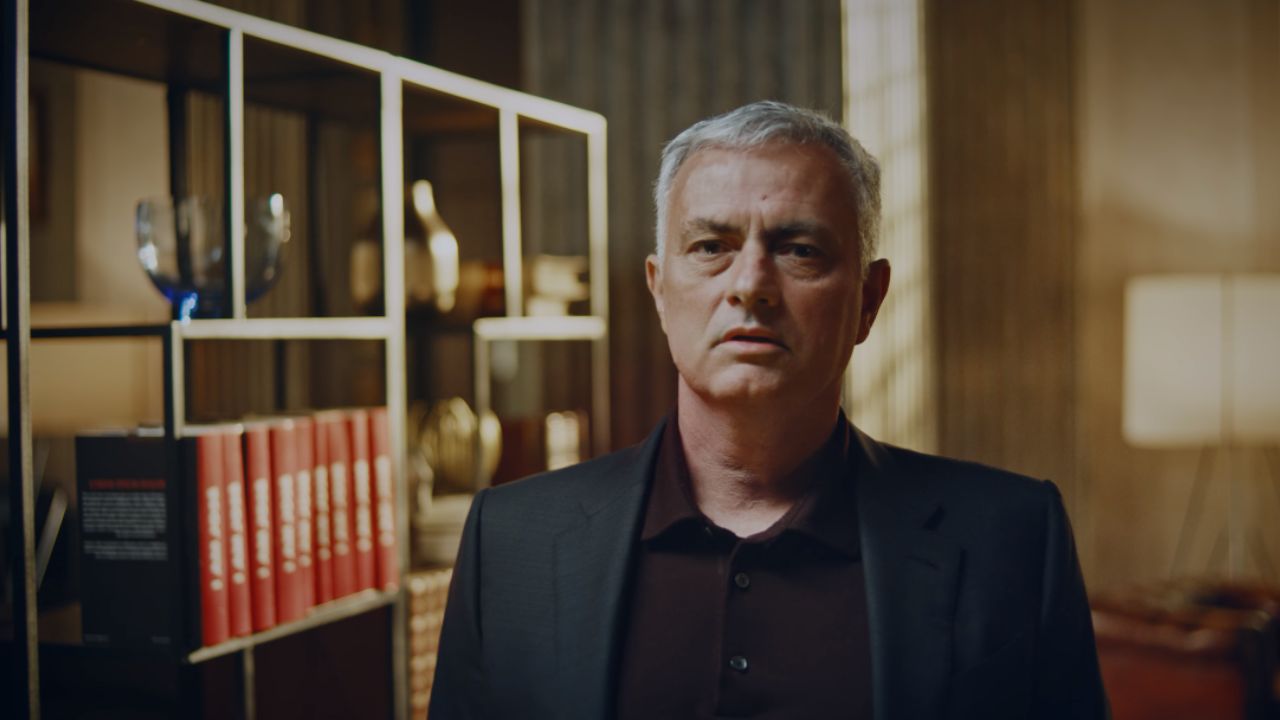
José Mourinho sits alone in the interview chair, visibly uncomfortable as the conversation edges toward the parts of his life he would rather keep private.
“You are pushing me to speak about myself, which I do not want,” he admits late in Netflix’s Mourinho. It is an oddly revealing moment because the entire series has been built around a man who spent decades controlling his own narrative. For three episodes, Joe Pearlman’s documentary tracks the charisma, trophies, rivalries, controversies, and extraordinary self-belief that created the Special One.
The result is stylish, energetic, often fascinating, and occasionally frustrating.
ADVERTISEMENT
Article continues below this ad
The Mourinho myth is still a remarkable story
The easiest thing for Mourinho to accomplish is to make José Mourinho interesting. He has spent more than two decades ensuring that his presence feels larger than the football matches around him, and the documentary understands that immediately. From his formative years working as a translator under Bobby Robson to the Champions League triumph with Porto and the title-winning spells at Chelsea, the series moves through a career packed with enormous stakes and even bigger personalities.
Credits: Netflix
Credits: Netflix
The football history alone gives the documentary momentum. Mourinho arrived at Porto and engineered a Champions League triumph in 2004 that established him as a force capable of changing the fortunes of a club almost overnight. His first Chelsea tenure followed with Premier League titles and a team built around Petr Cech, John Terry, Frank Lampard, and Didier Drogba. At Real Madrid, he tried to break Barcelona’s dominance while turning his rivalry with Pep Guardiola into one of the defining managerial feuds of the era.
What makes these chapters work is the sense of psychological warfare running beneath them. Mourinho has always understood that football is played through preparation, positioning, confidence, and emotional pressure. The documentary repeatedly shows how that siege mentality helped transform squads into groups that believed they were fighting together against an outside world determined to see them fail.
The player testimonials reinforce that mythology. John Terry recalling that he would leave the pitch “in a coffin” for Mourinho may sound excessive, yet it captures the intense loyalty the manager could inspire. Frank Lampard and other former players speak about a coach who created family bonds and demanded total commitment.
For viewers who know little about football, Mourinho works as a brisk introduction to a legendary career. For longtime supporters, it offers familiar moments packaged with enough new anecdotes and first-person reflection to keep the journey moving.

Yet the trophies are only the beginning of the Mourinho story, because the most interesting question is what all that winning did to the man behind the legend.
The Human Mourinho is harder to reach
This is where the documentary becomes both intriguing and incomplete. The series clearly wants access to the human being beneath the Special One persona, but Mourinho remains an extraordinarily guarded subject. He speaks openly about football while protecting much of the rest of his life. The contrast becomes especially striking because the filmmakers did manage to capture flashes of vulnerability.
Credit: Netflix
Credit: Netflix
His reflections on his father are among the most important moments in the series. Mourinho recalls his father as another football coach and describes the complicated pride he felt as his son. He also admits, “I still think I do not belong to the tribe,” revealing how deeply his limited playing career affected his sense of identity. These details suggest that some of his relentless need to prove himself may have roots much deeper than footballing ambition.
Another revelation is his decision to turn down the Manchester United job in 2013 after he had effectively agreed to succeed Sir Alex Ferguson. Ferguson confirms that Mourinho accepted the offer before changing course, while Mourinho explains that he returned to Chelsea because he needed to feel loved after the strain of Madrid. He calls the decision dramatic, yet stands by it because he followed his heart.
Then there is Iker Casillas. His inclusion is one of the documentary’s smartest choices because he represents a perspective that could have challenged Mourinho’s carefully constructed narrative. Their relationship at Real Madrid deteriorated badly, and Casillas is given space to describe his side of the feud. His presence adds texture to a series otherwise filled with people who largely admire Mourinho.
The absence of Pep Guardiola therefore becomes noticeable. The filmmakers say Guardiola agreed to participate under one condition: Mourinho had to ask him personally. He did not. The resulting gap is fascinating because the Mourinho and Guardiola rivalry was one of the central sporting narratives of the early 2010s. The missing voice leaves a hole where meaningful opposition could have added another dimension to the portrait.
The documentary also acknowledges Mourinho’s darker side. His clashes with officials, media and opponents are part of the history, including the controversy surrounding referee Anders Frisk. The series does not erase those episodes, but it rarely examines them with enough force to fully interrogate what drove Mourinho toward confrontation.
That tension sits at the heart of the series, and it becomes even more revealing when the documentary turns from Mourinho’s identity to the way his career itself began to change.
When the special one became the story
Jose Mourinho’s career has always followed a fascinating rhythm of explosive success, intense conflict, and eventual rupture. The documentary is strongest when it captures that cycle without forcing a neat explanation. His teams could be transformed quickly, yet his relationships with clubs often became increasingly difficult to sustain. The series shows that pattern, although it does not fully solve the mystery behind it.
Credits: Netflix
Credits: Netflix
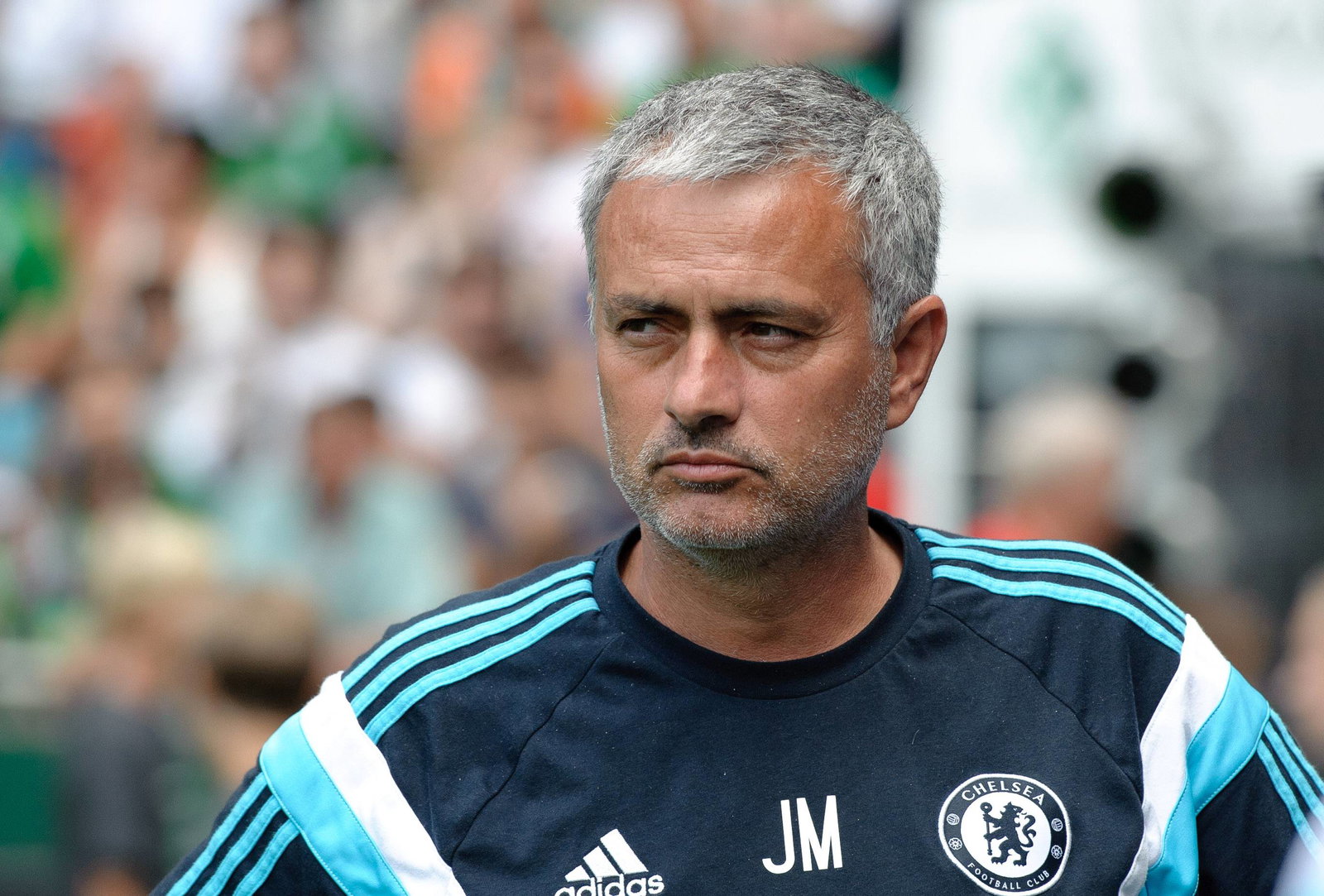
His Chelsea period is the clearest example of his managerial genius and his confrontational nature existing side by side. He delivered the club’s first league title in decades, then built an increasingly aggressive atmosphere around the team. Wenger became an enemy, criticism became fuel, and Mourinho embraced the idea that his players needed to believe they were fighting the outside world. His approach produced trophies, but it also intensified the pressure surrounding him.
Still, sometimes it becomes too enamored with the legend it is documenting. One of its biggest challenges is that Mourinho’s own voice dominates so much of the narrative. Former players praise him, adversaries are limited, and several major rivalries are discussed without the opposing managers appearing on screen. That can make the series feel like an argument in favor of Mourinho’s greatness rather than a fully balanced examination of his legacy.
That criticism does not make the documentary unsuccessful. It simply places a ceiling on what it can achieve. Mourinho is good as a portrait of a football phenomenon. It is less complete as a study of the private man. The pacing helps compensate. Three episodes move quickly through a career that could easily require a much longer series. There is a larger irony at work too. Mourinho has spent his career insisting on controlling the narrative around himself, while the filmmakers are constantly trying to discover what sits beyond that control. That tug of war gives the series its energy.
ADVERTISEMENT
Article continues below this ad
In the end, Mourinho does justice to the phenomenon more convincingly than it does to the private individual. It captures his charisma, tactical intelligence, competitive fire, defiance, and extraordinary ability to command attention. The documentary could have pushed harder. More sustained challenge from rivals would have made the portrait richer.
More time with Mourinho outside football could have transformed it from a fascinating career retrospective into a definitive character study. Instead, the final picture remains deliberately incomplete. Perhaps that incompleteness is fitting as The Special One has always been an enigma by design.
ADVERTISEMENT
Article continues below this ad
What do you think about Netflix’s Mourinho? Does it reveal the real José Mourinho, or does the Special One still keep the most important parts of himself behind the curtain? Let us know in the comments.
ADVERTISEMENT

Edited By: Itti Mahajan
More from Netflix Junkie on Netflix News



ADVERTISEMENT