
‘Monster: The Lizzie Borden Story’: What Happened to Lizzie Borden and How Accurate Is the Netflix Series?
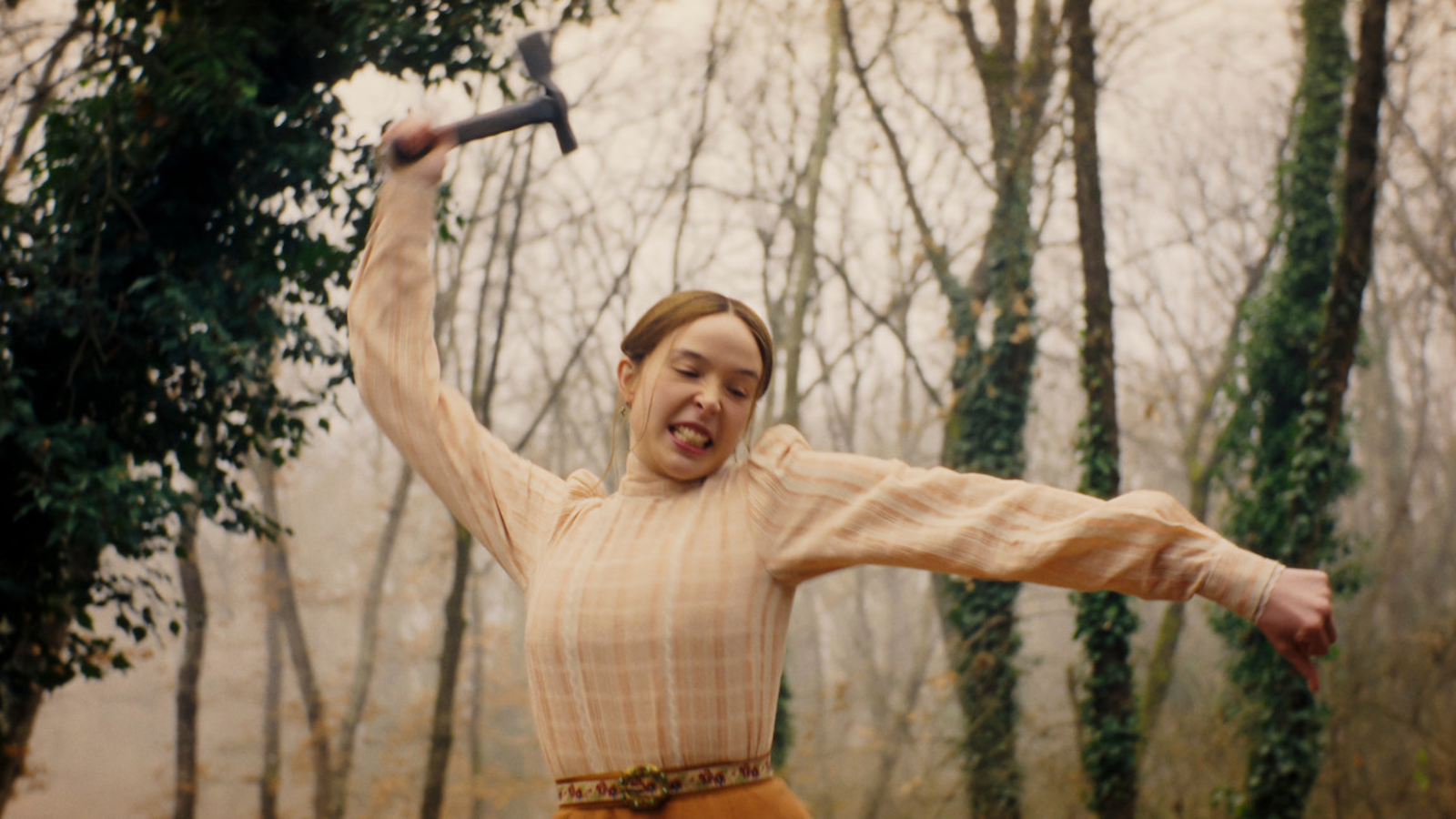
Credits: Netflix
Credits: Netflix
Lizzie Borden has been part of American folklore for more than a century, remembered mostly through one grim little rhyme and a case that never got a clean answer. Netflix has now decided to drag her out of the history books and into fresh territory. Monster: The Lizzie Borden Story arrived on September 17, 2026, and it wasted no time reigniting old questions about the axe, the house on Second Street, and the woman at the center of it all.
As the credits roll on the premiere, one question sits above everything else: how much of this fever dream actually happened.
Lizzie Borden was acquitted of the k*******, and the Netflix show leans hard into fiction
On August 4, 1892, Andrew Borden and his second wife Abby Borden were k***** inside their home at 92 Second Street in Fall River, Massachusetts. Abby was struck first, upstairs, sometime around 9:30 in the morning, while Andrew was attacked later, after returning from his errands and lying down on the sitting room sofa. Lizzie Borden, Andrew's daughter, and the family's Irish maid, Bridget Sullivan, were the only two people known to be inside the house that morning.
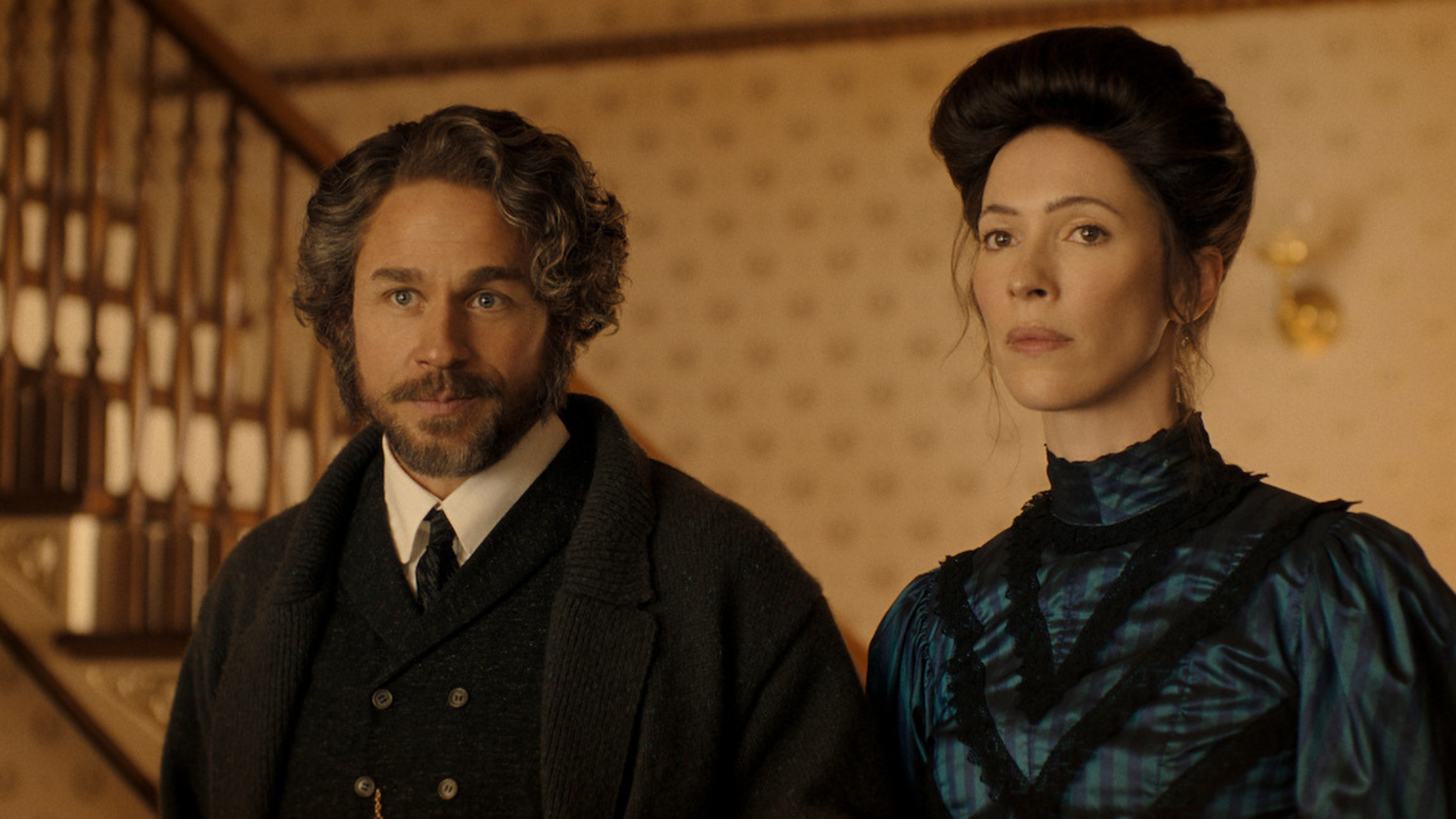
Credits: Netflix
Credits: Netflix
Borden was arrested on August 11, 1892, and her case became a national sensation almost overnight. Her trial opened in New Bedford in June 1893, built entirely on circumstantial evidence, including inconsistent statements about her whereabouts and a failed attempt to buy poison the day before the k*******. An all-male jury acquitted her after little more than an hour of deliberation, and no one else was ever formally charged in connection with the deaths.
Monster: The Lizzie Borden Story borrows the outline of that unsolved case but treats it as raw material rather than a textbook. Ryan Murphy and Ian Brennan built the fourth season of their Monster anthology around invented psychology, repression, and revenge rather than a careful reconstruction of court records. The result sits closer to a fever dream inspired by Fall River than an actual retelling of what investigators pieced together in 1892.
While the show dramatizes plenty for effect, the real evidence collected in 1892 remains stranger than anything scripted for the screen.
The evidence against Lizzie Borden was never as tidy as the rhyme suggests
The day before the k*******, Lizzie Borden reportedly tried to buy prussic acid, a poison, from a local drugstore, claiming she needed it to treat a fur cape against moths. The clerk refused to sell it to her, and no poison was later found in either body, which kept that detail out of the trial entirely. She also gave shifting accounts of her own movements that morning, insisting she had been in the barn hunting for fishing gear when her father returned home.
Days after the k*******, her friend Alice Russell reported seeing Borden burn a dress, which she explained away as ruined by paint. A hatchet head turned up in the basement, though it was clean and never conclusively tied to the deaths. Family tension simmered underneath everything, with Borden and her older sister Emma reportedly resentful over household finances and their strained relationship with Abby.
After the acquittal, Borden and Emma inherited a substantial fortune and left the modest Second Street house for a grand new home on Fall River's fashionable hillside, which she named Maplecroft. She began going by Lizbeth, though most of her neighbors still treated her as guilty despite the verdict. She lived out her later years in relative seclusion, forming a close bond with actress Nance O'Neil around 1904, before dying of pneumonia in 1927 at the age of sixty-six.
As dramatic as her real story sounds, the Netflix version still finds ways to make it wilder.
What Monster changes about Lizzie Borden's story, and who plays her
Monster: The Lizzie Borden Story keeps several real details intact, including the basic timeline, the victims involved, Lizzie Borden's arrest, and her eventual acquittal. Bridget Sullivan is still called Maggie by the household, matching historical accounts, and the poisoning attempt appears on screen in a more explicit form. The show also keeps Borden's later friendship with Nance O'Neil, even though it compresses years of history into a tighter timeline for dramatic effect.
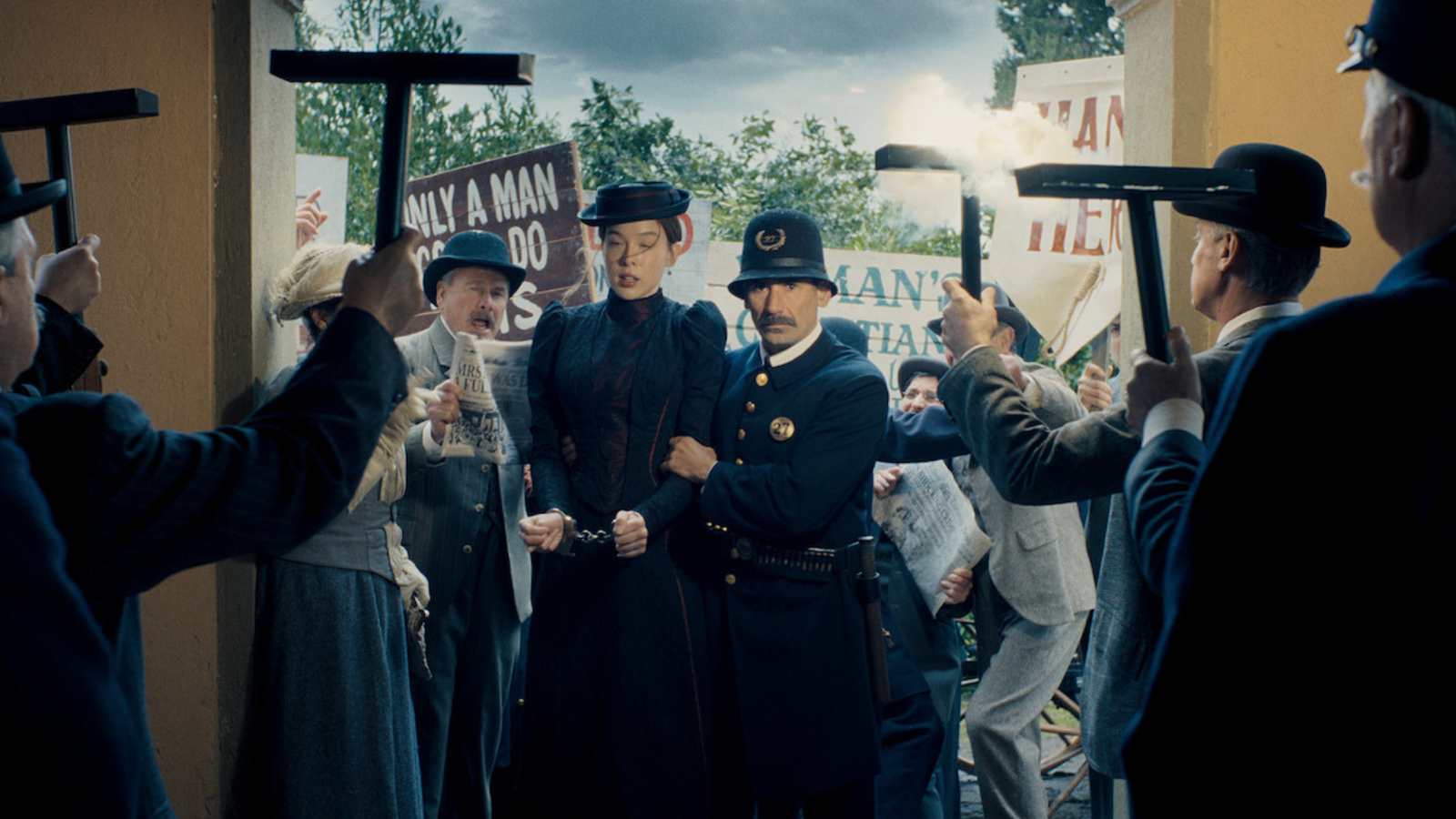
Credits: Netflix
Credits: Netflix
The biggest departure is a romantic and conspiratorial bond invented between Borden and Sullivan, something no historical record supports. Abby is reframed as an exaggerated, openly cruel stepmother, complete with invented cruelty that goes well beyond the real tension documented at the time. Several staging choices around the k******* themselves, along with a fabricated relationship between Andrew and the household maid, exist purely for effect rather than accuracy.
Ella Beatty leads the cast as Borden, joined by Vicky Krieps as Sullivan, Charlie Hunnam as Andrew, Rebecca Hall as Abby, Billie Lourd as Emma, and Sarah Paulson in a separate storyline as Aileen Wuornos. Together, the cast brings enough intensity to make the invented drama land, even when it strays far from the historical paper trail. In short, Lizzie Borden really was acquitted, and Monster is far more fiction than fact.

What are your thoughts on Lizzie Borden's real story versus the Netflix version? Let us know in the comments.

Edited By: Aliza Siddiqui
