
‘Little House on the Prairie’ Review: Netflix’s Heartfelt Reboot Honors Laura Ingalls Wilder’s Classic Story
Credits: Eric Zachanowich/ Netflix
Credits: Eric Zachanowich/ Netflix
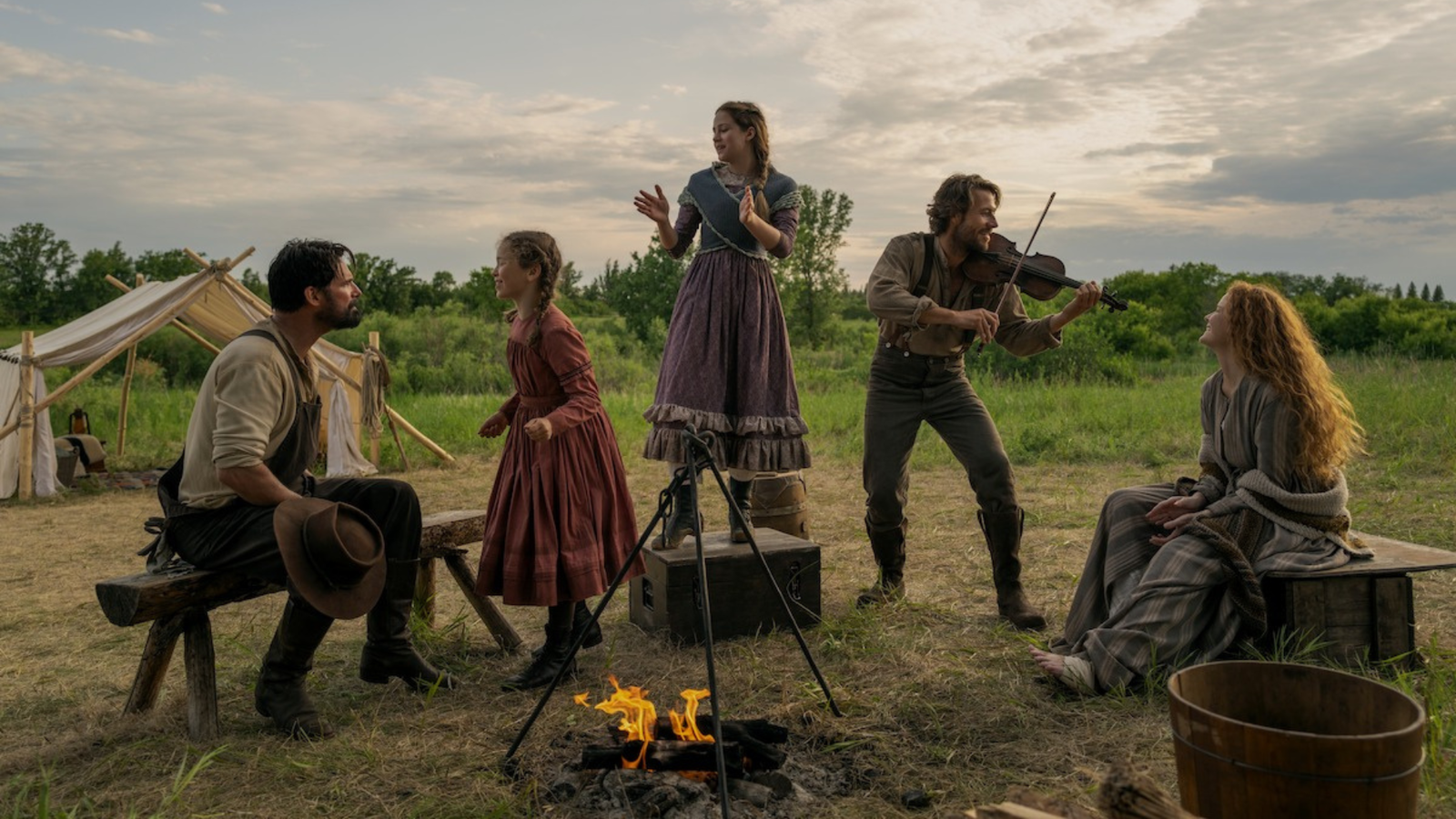
Just when it seemed the Ingalls family was ready to begin a peaceful new life on the Kansas prairie, Little House on the Prairie reminded viewers that the frontier offered no guarantees. Charles, Caroline, and their daughters leave their old life behind in search of a better future, only to discover that every new beginning comes with unforeseen hardships. Netflix’s reboot of the beloved world of Laura Ingalls Wilder blends heartfelt family drama with the realities of frontier life, and asks if this timeless story can still resonate with modern audiences.
The reboot is more true to Wilder’s original novels than the iconic 1974 television series. It chronicles the Ingalls family’s earliest years on the Osage Nation Reservation between 1869 and 1871. As they build a home, make new friends, and deal with frontier life, the series expands its world, focusing more on the Osage community and the people who already lived on the prairie.
There is so much more to Little House on the Prairie than just survival. Over eight episodes, it looks at the day-to-day life of the Ingalls family, exploring family, resilience, belonging, and growing up. The question is whether Netflix’s retelling will be able to balance nostalgia with a fresh perspective, while remaining true to the heart of Laura Ingalls Wilder’s classic story.
However, beyond the sweeping prairie landscapes and the hardships of frontier life, it is the Ingalls family's journey that gives Little House on the Prairie its emotional core.
A faithful return to Laura Ingalls Wilder's frontier world
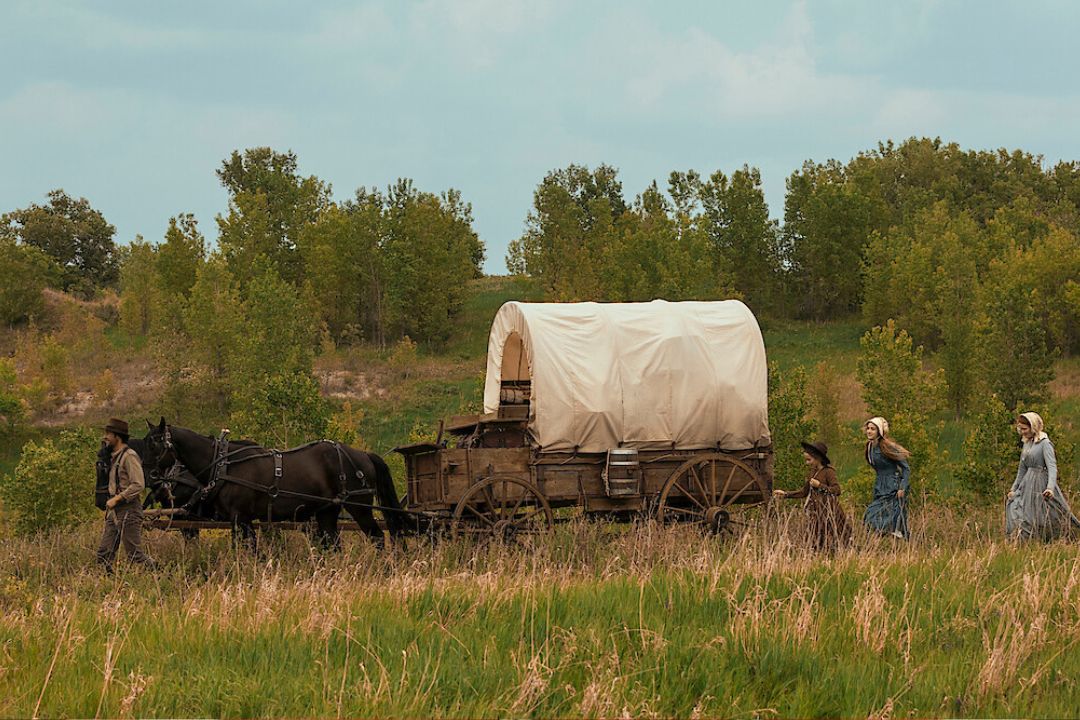
The season begins with the Ingalls family leaving Wisconsin for a better life on the Kansas prairie, but life on the frontier is not so easy. As Charles builds their cabin and Caroline keeps the family together, Laura's inquisitiveness and Mary's maturity are the emotional core of the story. Instead of action, the series centers on everyday family life. Additionally, Laura's friendships with John and Good Eagle, along with the settlement's steady growth, gradually broaden their world.
Credits: ERIC ZACHANOWICH/NETFLIX
Credits: ERIC ZACHANOWICH/NETFLIX
Episode 7 then turns the spotlight on the Osage, whose leaders are unwilling to give up their land, no matter how much pressure is put on them. Change happens for better and for worse as Caroline looks for a job when the Ingalls family’s money runs out, and Laura gains the nerve to come out of her shell and be a public speaker. The episode ends with a devastating revelation involving Dr. Tann that shatters Emily, and fresh threats loom over the Osage people.
In a bittersweet conclusion, betrayal endangers the Ingalls family's home and land, and a prairie fire wipes out much of what they have built. Laura and Mary offer their help, but Charles and Caroline decline, prompting an affecting father-daughter chat. The season ends with a tear-jerking but heartfelt farewell from the community and the family’s decision to sell their home to pay off Emily’s debt.
Meanwhile, while the story provides the emotional foundation, it is the cast that truly brings the Ingalls family's journey to life.
Strong performances and meaningful representation anchor the series
Alice Halsey gives Laura Ingalls a warmth, curiosity, and emotional depth that keep her at the center of the series. Luke Bracey’s Charles Ingalls is a solid choice, whose quiet leadership and fatherly guidance give many of the show’s best moments. Crosby Fitzgerald portrays Caroline as having a quiet strength as she protects her family and slowly confronts her prejudices. Skywalker Hughes also shines as Mary, and the Laura-Mary relationship becomes one of the season’s most consistent emotional anchors.
However, one of the reboot’s biggest strengths is its richer exploration of the Osage community. Laura and Good Eagle's friendship progresses naturally throughout the season, and the story of the Mitchell family and the broader Osage community moves to the forefront of the narrative, rather than being relegated to the background. The series employs various Indigenous actors to bring the characters to life with authenticity, while thoughtfully exploring displacement, community, and colonialism.
The supporting cast is also very impressive. Warren Christie adds warmth to John Edwards, Jocko Sims’ Dr. George Tann is one of the most compassionate characters in the settlement, and Barrett Doss makes Emily’s emotional journey believable. The ensemble works together to create a believable frontier community where relationships develop organically, and the family chemistry is the emotional core of the story.
While the performances drive the emotional storytelling, the series' impressive production values bring the frontier to life just as effectively.
Beautiful production values elevate an emotionally grounded drama
Filmed in Manitoba, the series draws on the vast prairie landscapes to evoke the majesty and loneliness of frontier life. Often, the cinematography allows the plains to become another character. Authentic cabins, costumes, lighting, and meticulously detailed props draw viewers into the everyday life of a pioneer. The production design very convincingly conjures the period, from the family’s modest house to the burgeoning settlement.
Dan Romer’s score supports the drama without overwhelming quieter scenes, and the editing keeps the eight-episode story moving at a steady clip. The sound design helps set the mood, and much of the series feels authentic due to practical filmmaking. The CGI wolves in the opening are among the more obvious visual effects, but do little to detract from the entire presentation.
Overall, Little House on the Prairie, which has already been renewed for Season 2, is a touching adaptation that is faithful to the novels of Laura Ingalls Wilder, while providing a new perspective for today’s viewers. Its emphasis on family, community, and hope allows the story to feel timeless without forcing modern ideas into the narrative. Netflix’s reboot is back on the prairie with great performances, thoughtful representation, and stunning production values that make it an engaging watch that is highly recommended for old fans and new ones.

Have you watched Netflix's Little House on the Prairie yet? What did you think of the Ingalls family's emotional journey and the season's hopeful ending? Let us know in the comments.

Edited By: Adiba Nizami
