
'Last Samurai Standing' on Netflix Based on Real Life? History and Inspirations Behind the Upcoming Japanese Thriller
There is something deliciously deceptive about thrillers. They lure one in with clever mysteries, deadpan detectives, and villains who always seem to have better lighting. From Alfred Hitchcock’s Psycho to David Fincher’s Gone Girl, these tales are so compelling that one starts Googling mid-film to check if anyone actually survived the plot. The line between reality and invention blurs so elegantly that it becomes irresistible to ask: could this have really happened? That very question now surrounds Last Samurai Standing.
Netflix’s new Japanese thriller has audiences debating whether its sword-swinging suspense is drawn from actual samurai history, or just dangerously good writing.
Is Last Samurai Standing based off of a true story?
ADVERTISEMENT
Article continues below this ad
Netflix’s Last Samurai Standing is not a true story but a gripping adaptation of Ikusagami, a historical fiction novel and manga series by Shogo Imamura. The show draws inspiration from Japan’s Meiji period, a time of immense social change when the samurai class faced extinction. Although the series uses authentic historical details, it constructs an entirely fictional narrative centered on a ruthless battle for survival among 292 warriors summoned to a mysterious temple in Kyoto
With the aim of redefining the image of the samurai on screen, Junichi Okada anchors the narrative in the chaos and bloodshed of survival. At the heart of this turmoil stands Shujiro Saga, a fallen swordsman propelled by a desperate determination to save his ailing wife and child, turning his personal tragedy into the story’s most human and haunting core. Imamura’s story may not recount real events, but it captures the sorrow and defiance of Japan’s last warriors with remarkable psychological precision.
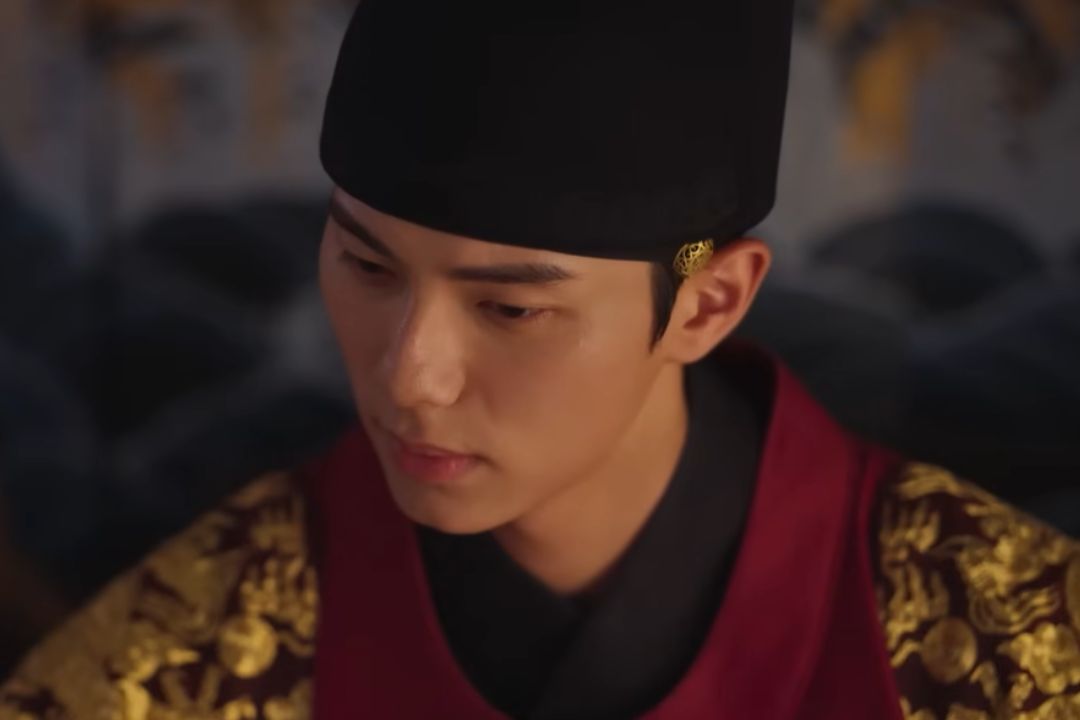
The curiosity surrounding the authenticity of events in Last Samurai Standing has reignited interest in the 2003 film The Last Samurai, drawing audiences to compare their portrayals of Japan’s fading warrior era.
Was The Last Samurai based on real events?
While Last Samurai Standing thrives on fictional events, swordplay, and strategic chaos, its older cinematic cousin, The Last Samurai (2003), at least shakes hands with history before galloping off into artistic license. The Tom Cruise-led epic borrows threads from real-life events like the 1877 Satsuma Rebellion and personalities such as Saigō Takamori, a man often mourned as the “last true samurai.” Meanwhile, Jules Brunet, a French officer who refused to follow orders and fought for the losing side, inspired Cruise’s noble, haunted mercenary.
ADVERTISEMENT
Article continues below this ad
In truth, history was less glamorous and far more bureaucratic, a slow dissolution of a warrior class rather than a single cinematic clash of swords and ideals. Yet, one must applaud both films for resurrecting the samurai spirit, whether through historical homage or theatrical bravado. If The Last Samurai romanticized the past, Last Samurai Standing weaponizes it, proving that the fascination with Japan’s warrior ethos is as immortal as the men who once carried blades.
ADVERTISEMENT
Article continues below this ad
Do you believe Last Samurai Standing should have stayed closer to history?Let us know in the comme
ADVERTISEMENT

Edited By: Itti Mahajan
More from Netflix Junkie on Netflix News




ADVERTISEMENT