
'La Bola Negra' AKA 'The Black Ball' Cast: Meet Who’s Who in Netflix’s Latest Cannes Hit
Credits: La Bola Negra / La bola negra - Trailer via YouTube / Production: Suma Content Films / Movistar Plus+ / El Deseo / Le Pacte / Distribution: Elastica Films / Le Pacte / Netflix
Credits: La Bola Negra / La bola negra - Trailer via YouTube / Production: Suma Content Films / Movistar Plus+ / El Deseo / Le Pacte / Distribution: Elastica Films / Le Pacte / Netflix
Premiering in competition at the 2026 Cannes Film Festival, La Bola Negra, also known as, The Black Ball, is an ambitious Spanish drama from Javier Calvo and Javier Ambrossi that weaves together three interconnected stories set in 1932, 1937, and 2017. Inspired by the unfinished work of Federico García Lorca and Alberto Conejero’s La piedra oscura, the film explores themes of love, memory, identity, grief, and the enduring legacy of queer history.
Blending romance, war, and generational storytelling, the epic examines how desire and pain echo across decades while giving voice to stories long pushed into the shadows. Following its emotional Cannes premiere, where it received one of the festival’s longest standing ovations, La Bola Negra emerged as one of the most acclaimed films of the year, and these are the characters and the actors who bring them to life.
1. Guitarricadelafuente as Sebastián
ADVERTISEMENT
Article continues below this ad
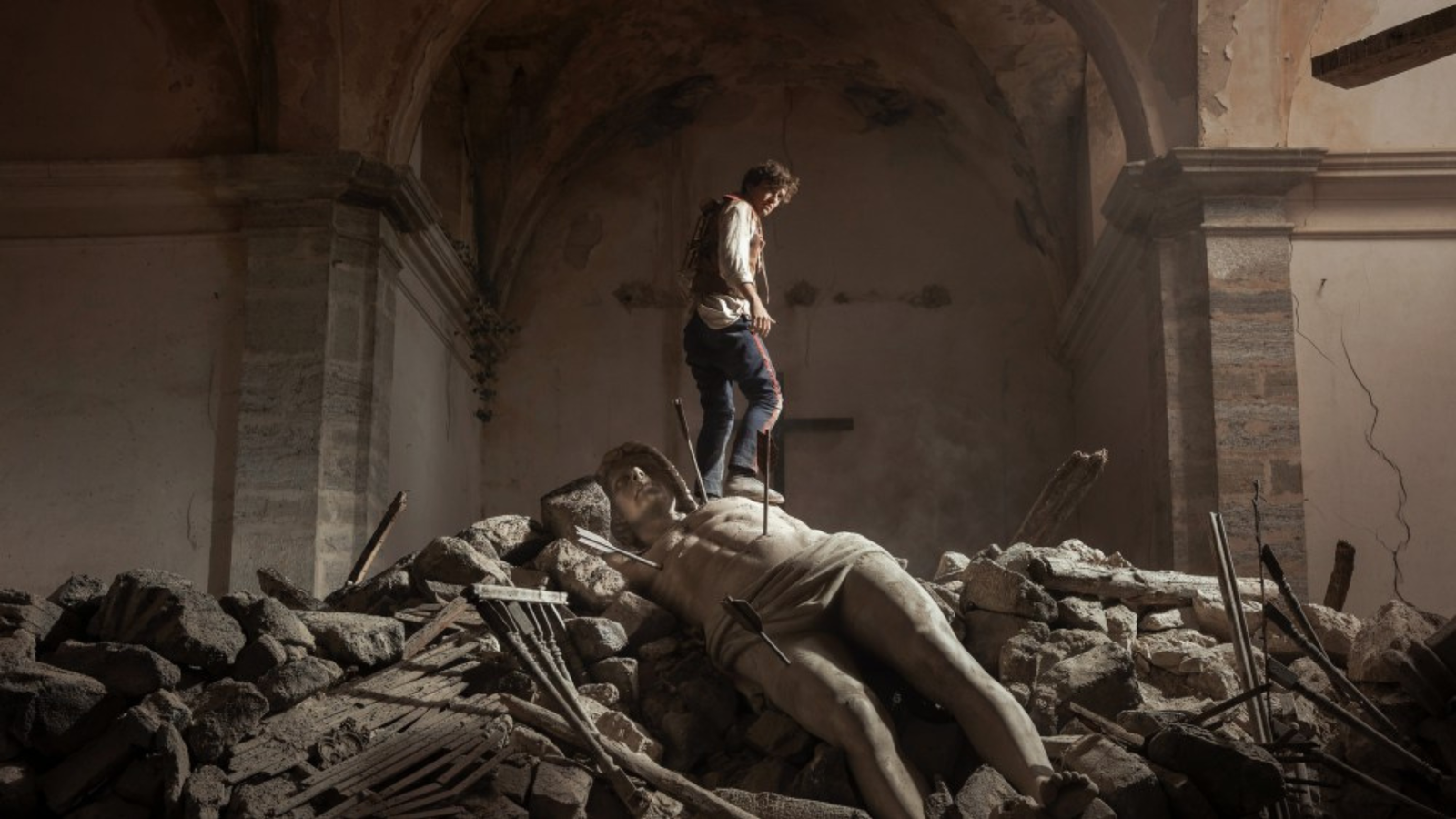
In La Bola Negra, Guitarricadelafuente makes his acting debut as Sebastián, a young trumpet player whose journey forms the emotional backbone of the film’s 1937 storyline. After his village is devastated during the Spanish Civil War, Sebastián joins General Franco’s Nationalist forces out of desperation and is assigned to guard wounded Republican soldier Rafael Rodríguez Rapún, portrayed by Miguel Bernardeau. Their initially tense relationship gradually develops into a forbidden romance that challenges Sebastián’s understanding of identity, loyalty, and masculinity.
While Rafael remains steadfast in his beliefs, Sebastián hides his own se***lity to survive within the fascist regime, making their connection all the more transformative.
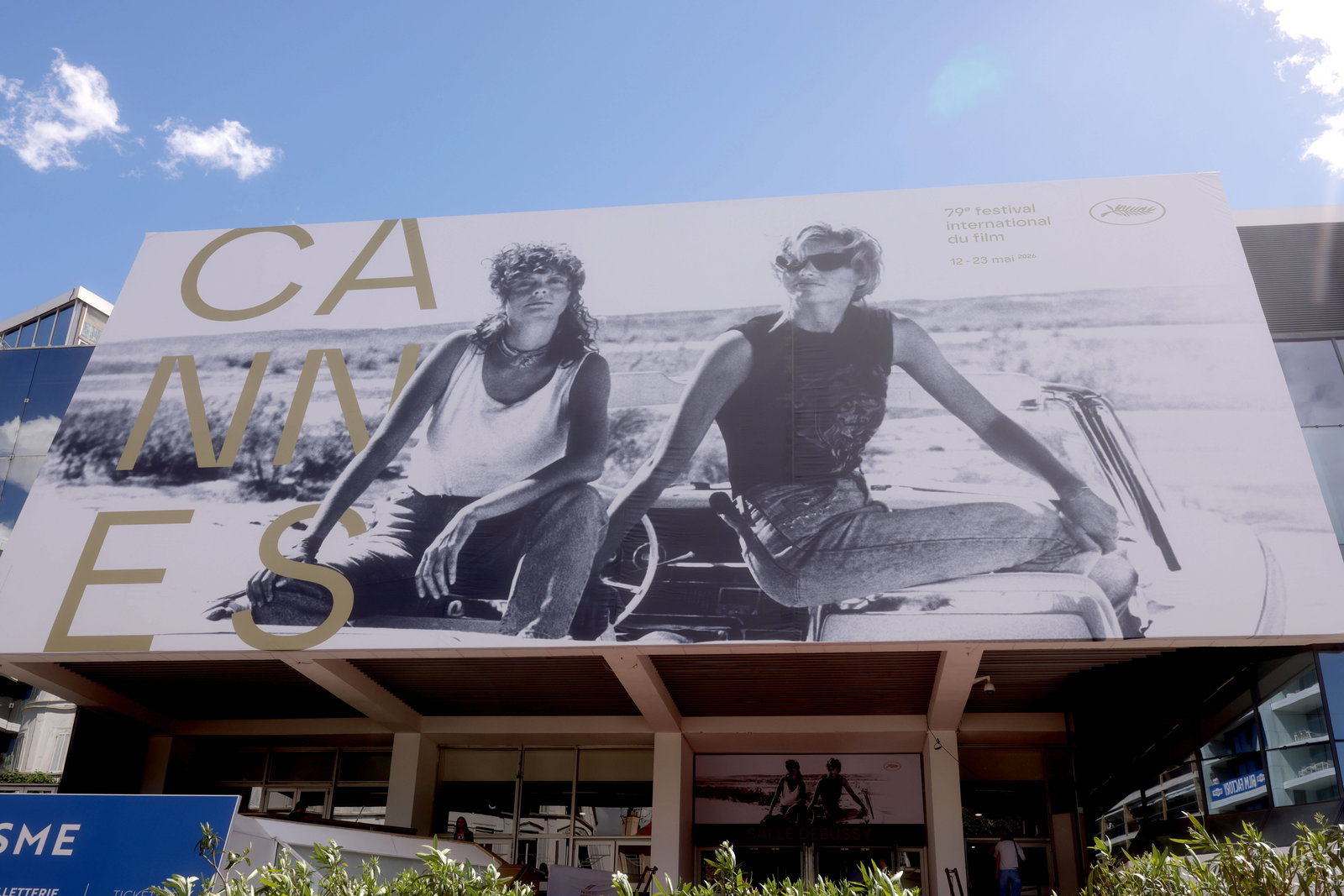
Through this deeply personal bond, Sebastián becomes the link between the film’s three timelines, helping preserve Federico García Lorca’s legacy and the mysterious writings known as La Bola Negra, which resurface decades later in the modern-day storyline.
2. Miguel Bernardeau as Rafael Rodríguez
Miguel Bernardeau portrays Rafael Rodríguez Rapún, the real-life Spanish Republican soldier, engineer, and the last known partner of poet Federico García Lorca. Set in 1937 during the Spanish Civil War, Rafael is captured and imprisoned after being wounded in battle, where he meets Sebastián, the young Nationalist guard assigned to watch over him. Though facing certain death, Rafael refuses to conceal either his political convictions or his queer identity, becoming a source of courage and self-discovery for Sebastián.
Their forbidden romance transforms the young soldier’s understanding of love and loyalty. Through flashbacks, Rafael is also revealed as the keeper of Lorca’s final unpublished work, La Bola Negra, entrusted to him by the poet himself. Knowing his fate is sealed, he passes that legacy on before his execution, making Rafael the tragic heart of the story and the catalyst whose sacrifice reverberates across generations.
3. RapúnCarlos González as Alberto
The love shared by Sebastián and Rafael does not end with tragedy, as their legacy eventually reaches Alberto, played by Carlos González, in the film's 2017 timeline. A former playwright adrift in modern Madrid, Alberto has abandoned writing and spends his days collecting vintage records and drifting through emotionally detached relationships. His life changes when he learns that his estranged grandfather has only recently died, despite having been told the man had passed away long ago.
Defying his mother's warnings, Alberto investigates and discovers that his grandfather was Sebastián, the young soldier whose forbidden romance with Rafael shaped decades of hidden history. Following the clues they left behind, he uncovers Federico García Lorca's lost manuscript, La Bola Negra. Through this inheritance, Alberto reconnects with his family's past, restores long-silenced stories, and rediscovers his own passion for writing, bringing closure to generations separated by fear and time.
4. Milo Quifes as Carlos
Long before Sebastián and Rafael's forbidden romance and Alberto's search for the truth, there was Carlos, portrayed by Milo Quifes, in La Bola Negra. Set in Granada in 1932, Carlos is a wealthy young man pressured by his influential father to secure membership in an elite casino whose approval could safeguard the family's reputation. However, soon enough, the institution's anonymous voting system becomes an instrument of prejudice.
Carlos is publicly "blackballed" after rumors surrounding his se***lity spread among the city's conservative elite. His humiliation and isolation leave a profound impression on Federico García Lorca, inspiring the poet to begin writing La Bola Negra. As the story shifts into increasingly surreal territory, Carlos's experiences embody the fear and repression looming over Spain. His suffering becomes the origin of a hidden inheritance, setting in motion the chain of memories and secrets that Sebastián, Rafael, and ultimately Alberto inherit across generations.
5. Lola Dueñas as Teresa
As Alberto begins uncovering the hidden legacy, he faces his greatest resistance at home through Teresa, played by Lola Dueñas. The estranged daughter of Sebastián and Alberto's mother, Teresa, becomes the principal obstacle in the film's 2017 timeline. Furious after learning that Alberto intends to investigate his grandfather's estate, she desperately tries to stop him, insisting that Sebastián was a cold, unrepentant fascist who abandoned his family and would reject Alberto's identity as a gay man.
Their relationship is marked by hostility and volatile confrontations, reflecting decades of unresolved pain and inherited trauma. Through her refusal to confront the truth, Teresa embodies the silence and denial that lingered long after Franco's dictatorship. Structurally, she serves as the domestic antagonist of the 2017 timeline, embodying the forces of denial and historical amnesia that seek to bury Spain's painful past and prevent long-hidden truths from resurfacing.
6. Penélope Cruz as Nené Romero
Amid the chaos of 1937 Spain, Penélope Cruz, who later disclosed a health scare she experienced while filming La Bola Negra at the film's Cannes premiere, appears as Nené Romero, a glamorous entertainer who brings music and spectacle to General Franco's Nationalist troops. Though her role spans only a few scenes, Nené leaves an outsized impression on the story. Draped in old-Hollywood flair and vintage Spanish glamour, she arrives at the front with a smile and a song, offering soldiers a temporary escape from the horrors surrounding them.
Her most unforgettable moment comes during an extravagant performance atop a military tank, where celebration and propaganda become impossible to separate. As bombs, fear, and repression shape the lives of others, Nené exists in a strange world of glitter and forced cheerfulness. Through her, La Bola Negra explores how entertainment can become part of a regime's machinery, creating the illusion of normality while darkness grows beneath the surface. Her presence serves as both spectacle and warning.
7. Glenn Close as Isabelle Durand
By the time La Bola Negra reaches 2017, years of buried memories and forgotten histories have led to one final witness: Isabelle Durand, played by Glenn Close. A renowned American academic and biographer who has devoted her life to studying Federico García Lorca, Isabelle is in the midst of publishing a groundbreaking book on the poet's hidden life when Alberto arrives with a mysterious manuscript recovered from his grandfather's estate.
ADVERTISEMENT
Article continues below this ad
Recognizing its significance immediately, she identifies the pages as Lorca's long-lost La Bola Negra, transforming a family mystery into a major historical revelation. More than an expert, Isabelle becomes the film's voice of understanding, explaining the sacrifices that preserved the text and the generations erased by war and repression. In the story's closing moments, her words bring meaning to decades of silence, allowing history itself to finally be remembered rather than forgotten.
Through these 7 interconnected characters, La Bola Negra transforms decades of pain, silence, and repression into a sweeping story of remembrance and survival. Together, they form a chain of inheritance that stretches from 1932 to 2017, illustrating how love, art, and memory can outlive persecution. In doing so, the film not only honors Spain's forgotten queer history but also argues that these stories deserve to be preserved, celebrated, and passed on to future generations.
ADVERTISEMENT
Article continues below this ad
Which La Bola Negra character resonated with you the most? Let us know in the comments.
ADVERTISEMENT

Edited By: Adiba Nizami
More from Netflix Junkie on Netflix News



ADVERTISEMENT