
Keanu Reeves’ 1992 Classic Horror Is Leaving Netflix as Winter Departs: Watch It Before It’s Late
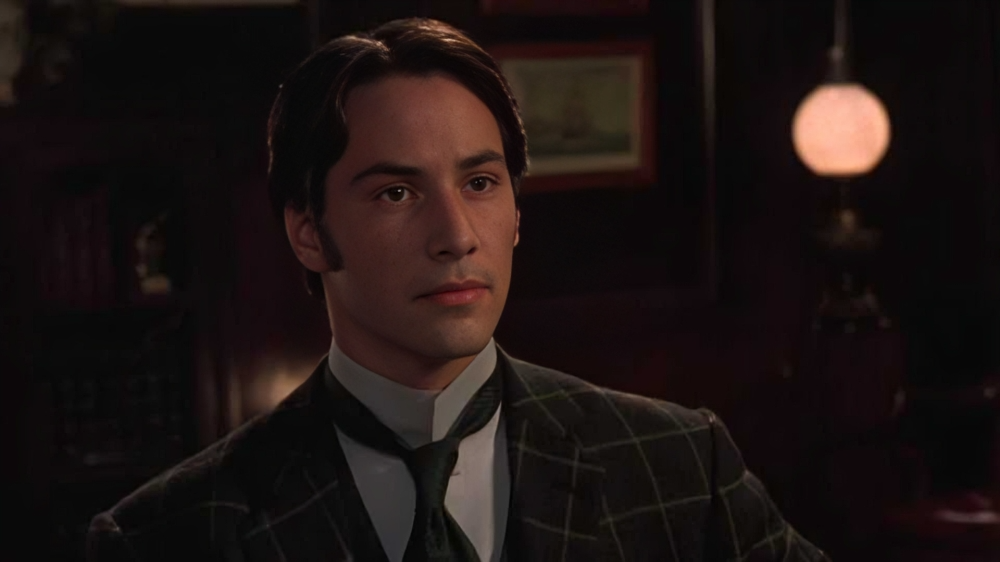
From candlelit castles to blood-red velvet curtains, Dracula films have long reigned as the crown jewel of gothic cinema. The 1990s, in particular, revived the vampire myth with a lavishness and seriousness that reshaped how gothic horror could look and feel. One such film, operatic, polarizing, and endlessly discussed now faces the possibility of slipping out of easy reach.
Among the reasons this particular gothic epic endures is the presence of a young Keanu Reeves, cast at a pivotal moment before his career crystallised into stardom. That legacy, however, is now intersecting with a very modern reality: its imminent departure from Netflix.
Keanu Reeves and the gothic film slipping into shadow
ADVERTISEMENT
Article continues below this ad
The film in question is Bram Stoker’s Dracula (1992), the gothic horror adaptation directed by Francis Ford Coppola. The title will be removed from Netflix on Sunday, March 1, 2026, marking the end of its current streaming availability and limiting casual access to one of the most visually distinctive Dracula adaptations of the modern era. The ensemble cast is one reason the film still resonates.
Keanu Reeves appears as Jonathan Harker, his early career role that, despite criticism, marked one of his first major studio appearances alongside his co-stars. Gary Oldman embodies Count Dracula with a lush and operatic menace. Winona Ryder brings haunting beauty to Mina Harker. Anthony Hopkins is theatrically obsessive as Professor Van Helsing and Richard E. Grant rounds out the core cast with Dr. Jack Seward. The film also features Monica Bellucci as Dracula’s second wife, adding to the film’s gothic aesthetic.
If fans did not already have multiple reasons to watch the classic, Bram Stoker's Dracula leaving Netflix could be the only viable one.
What ultimately elevates this adaptation above countless others is not just its cast or commercial success, but the sheer confidence of its vision.
What made Bram Stoker’s Dracula so iconic?
Francis Ford Coppola’s adaptation, rooted in the 1897 novel by Bram Stoker, follows Count Dracula as he traverses from his castle to Victorian London in pursuit of what he believes to be the reincarnation of his lost wife. Coppola’s version is celebrated for its lavish production design and atmospheric staging, blending horror with tragic romance in ways that set it apart from more conventional vampire films.
The screenplay by James V. Hart remains relatively faithful to Stoker’s narrative style.
ADVERTISEMENT
Article continues below this ad
Financially, the film was a success, grossing over $215.9 million worldwide against a $40 million budget. It garnered multiple prestigious awards, including three Academy Awards for Best Costume Design, Best Sound Editing, and Best Makeup, and received nominations for Best Art Direction and other categories. Beyond the Oscars, it also excelled at genre awards: at the 19th Saturn Awards, it secured five wins out of ten nominations, including Best Horror Film and Best Actor for Gary Oldman.
As Bram Stoker’s Dracula prepares to depart Netflix, its status as a gothic cinema touchstone remains unchallenged. It will continue to be discussed by horror aficionados and film historians alike.
ADVERTISEMENT
Article continues below this ad
What makes this adaptation unforgettable? And whether its upcoming streaming exit will elevate its cult legacy further? Share your thoughts.
ADVERTISEMENT

Edited By: Hriddhi Maitra
ADVERTISEMENT
ADVERTISEMENT
