
Junichi Okada Reveals How Netflix’s ‘Last Samurai Standing’ Redefines Samurai on Screen
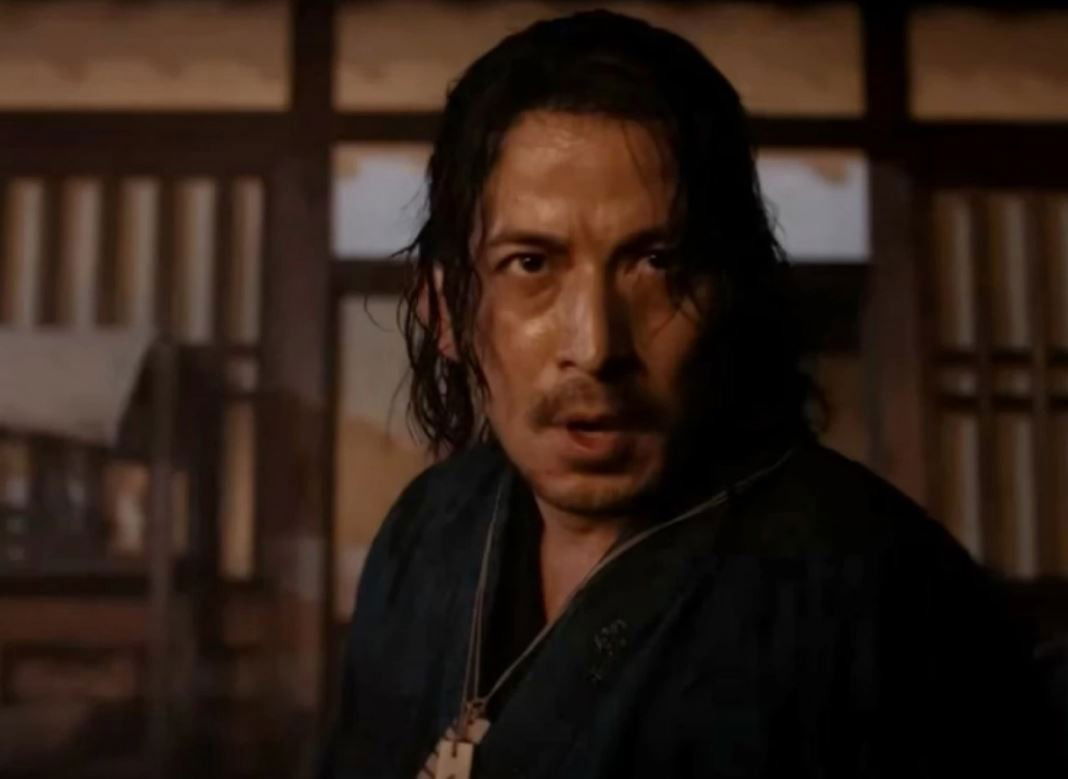
The first cinematic flex was found in samurai tales. These warriors cut their way into legend long before multiverse fatigue or caped crusaders. Every new retelling, however, runs the risk of sounding like cosplay with subtitles. Now bringing out a new katana is Netflix, that ever-changing shape-shifter of genres. With Last Samurai Standing, the platform hums of blood, honor, and survival, cutting louder than any multiverse echo drowning today’s storytelling.
While superheroes keep recycling spandex tragedies, samurai are quietly sneaking in with sharper stories that promise both steel and soul.
Last Samurai Standing reimagines samurai like never before
ADVERTISEMENT
Article continues below this ad
The samurai are being transformed by Junichi Okada from museum relics into powerful, living warriors. Last Samurai Standing on Netflix is rooted in martial authenticity and vows to avoid digital fakery. While director Michihito Fujii maintains that human drama cannot be concealed behind spectacle, Okada wants the swing of a sword to feel heavier than any Marvel hammer. Imagine Ghost of Tsushima without respawns, covered in the shadows of Akira Kurosawa, and bearing bruises that never go away.
The show pits tradition against tomorrow in addition to swordsmen against swords. These discarded warriors fight not only for coin but for relevance in a Japan that would rather ghost them. For honor, the battles are half existential job interviews and half combat. Every slash is actually a manifesto about surviving the erasure of your own culture, as demonstrated by Okada and Fujii's creation of a period piece that transforms into philosophy.

As warriors negotiate honor in collapsing worlds, another Netflix contender proves vengeance can look just as animated as trauma.
Just like Last Samurai Standing, Netflix serves samurai with sharper edges
If Last Samurai Standing bleeds realism, Blue Eye Samurai bleeds animated fury masquerading as arthouse philosophy. Mizu's expression appeared more icy than any blade when Netflix revealed a teaser for season 2 following its Emmy coronation. Every fight is a staged heartbreak, and every injury is a thesis on retaliation. Mizu uses stylized rage to combat despair, while Junichi Okada uses grounded flesh to fight gravity. Her trauma is depicted in frames with more precision than cinema has ever attempted.
ADVERTISEMENT
Article continues below this ad
When combined, these projects transform Netflix into a paradoxical haven that is both reverent and reckless. Mizu invokes revenge poetry that only animation can evoke, while Okada wields Akira Kurosawa's realism like an ancestral blade. Both assert that samurai continue to cut through cultural noise, with one offering earth and the other fire. This streaming empire, clad in steel and myth, is daring viewers to choose which katana scars them the most.
ADVERTISEMENT
Article continues below this ad
What are your thoughts on how Junichi Okada and Netflix are redefining samurai stories with Last Samurai Standing? Let us know in the comments below.
ADVERTISEMENT

Edited By: Itti Mahajan
ADVERTISEMENT
ADVERTISEMENT
