
How Netflix Turned a Nonexistent Sherlock Holmes Sister Into a Millie Bobby Brown-Led Franchise
Credits: Netflix
Credits: Netflix
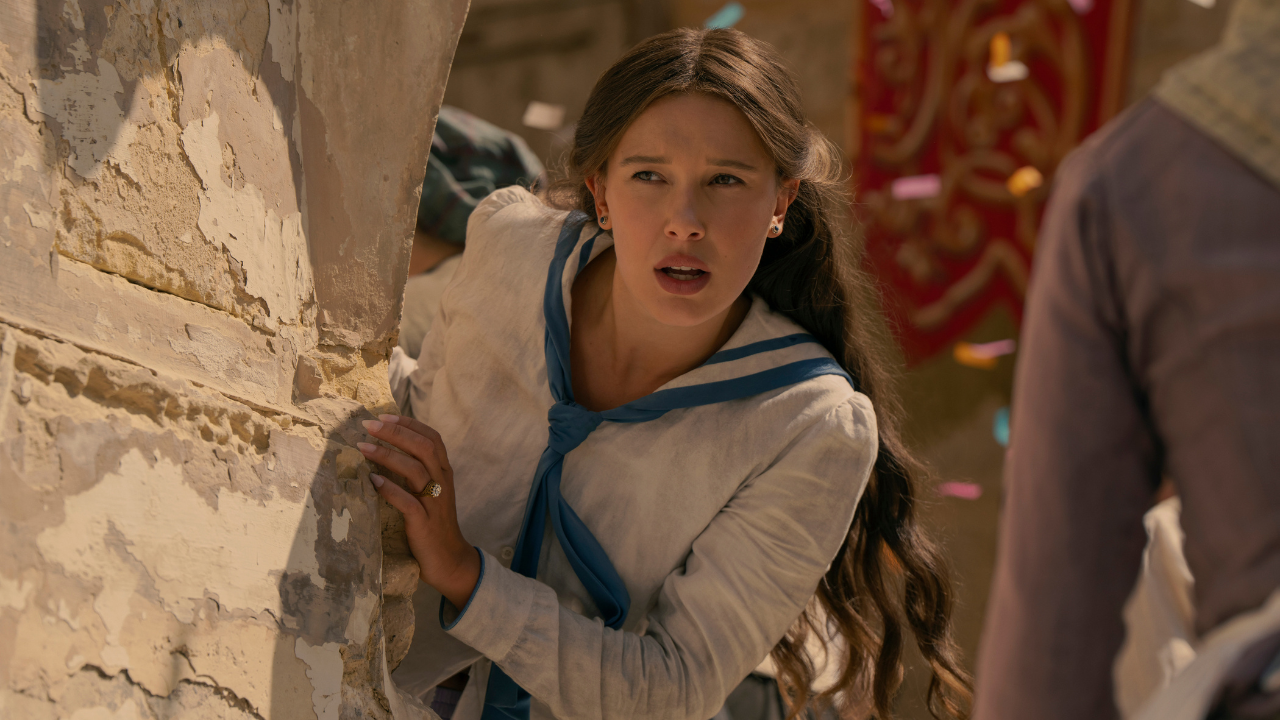
Netflix has turned what did not exist in Sir Arthur Conan Doyle’s original Sherlock Holmes canon, a younger sister for the world’s most famous detective, into a full‑blown, Millie Bobby Brown‑led franchise that now feels almost as iconic as the Holmes name itself. By gluing an invented sibling, Enola, to the Holmes family tree, the streamer rewrote a 120‑year‑old literary legacy for a Generation Z audience.
That reinvention points to how streaming platforms now treat classic characters less as static museum pieces and more as flexible IP to reshape, re‑cast, and rebrand for the streaming era.
How Netflix reframed the Holmes family
ADVERTISEMENT
Article continues below this ad
Enola Holmes did not spring from Conan Doyle’s pages but from Nancy Springer’s 2006–2010 YA novel series, which imagined Sherlock and Mycroft as older brothers to a spirited teenage sister trained by a fiercely unconventional mother. Netflix purchased the film rights and turned Springer’s concept into a sleek, modern‑feeling period mystery anchored by Millie Bobby Brown.
Whose casting both replicated the “teen genius” appeal of her Stranger Things persona and gave the project instant social‑media visibility. The studio leaned heavily into marketing Enola as Sherlock’s long-lost sister, even though the character has no basis in the canonical short stories or novels, deploying trailers, posters, and tie‑in content as if she had always been part of the Holmes family.
The result is a franchise that runs on the friction between recognition and revision: audiences who know Sherlock as a lone, brother‑only detective are invited to treat Enola as if she were a recovering “lost” daughter of the canon, erased by Victorian patriarchy until Netflix resurrected her.
But in Sir Arthur Conan Doyle’s original canon, Sherlock Holmes has no sister whatsoever.
The Holmes that Arthur Conan Doyle actually created
Sherlock Holmes' immediate family is limited to the detective himself, his elder brother Mycroft, and their father, with no mention of any female siblings. Conan Doyle, a Scottish writer and physician, created Sherlock as a rational figure whose world revolved around London, Baker Street, and his brother Mycroft’s government work, not around a sprawling clan or hidden sisters.
ADVERTISEMENT
Article continues below this ad
The Holmes “family” in the stories exists as a tightly controlled narrative construct: Mycroft plays the cerebral counterpart to Sherlock, while the detective’s mother is briefly referenced but never substantially developed, leaving the siblings as a closed, male‑centered unit. Conan Doyle himself, in contrast, did have daughters in real life, two with his first wife and three with his second, and it was his real daughter, Jean, who went on to have a notable career in the Women’s Royal Air Force, long after the Sherlock stories were written.
That biography underscores just how completely Enola is a fictional add‑on: the Holmes sister functions as a feminist corrective to Conan Doyle’s own conservative‑era character construction. In the end, the Enola franchise is less about restoring a forgotten Holmes relative and more about using the Holmes name as a ready‑made monument onto which Netflix can mount a new, youth‑oriented mythology of its own.

ADVERTISEMENT
Article continues below this ad
What do you think about Netflix conjuring up Sherlock Holmes' sister from thin air? Let us know in the comments.
ADVERTISEMENT

Edited By: Adiba Nizami
More from Netflix Junkie on Netflix News



ADVERTISEMENT