
How Netflix Ignored José Mourinho's Greatest Soccer Feat in Their Documentary
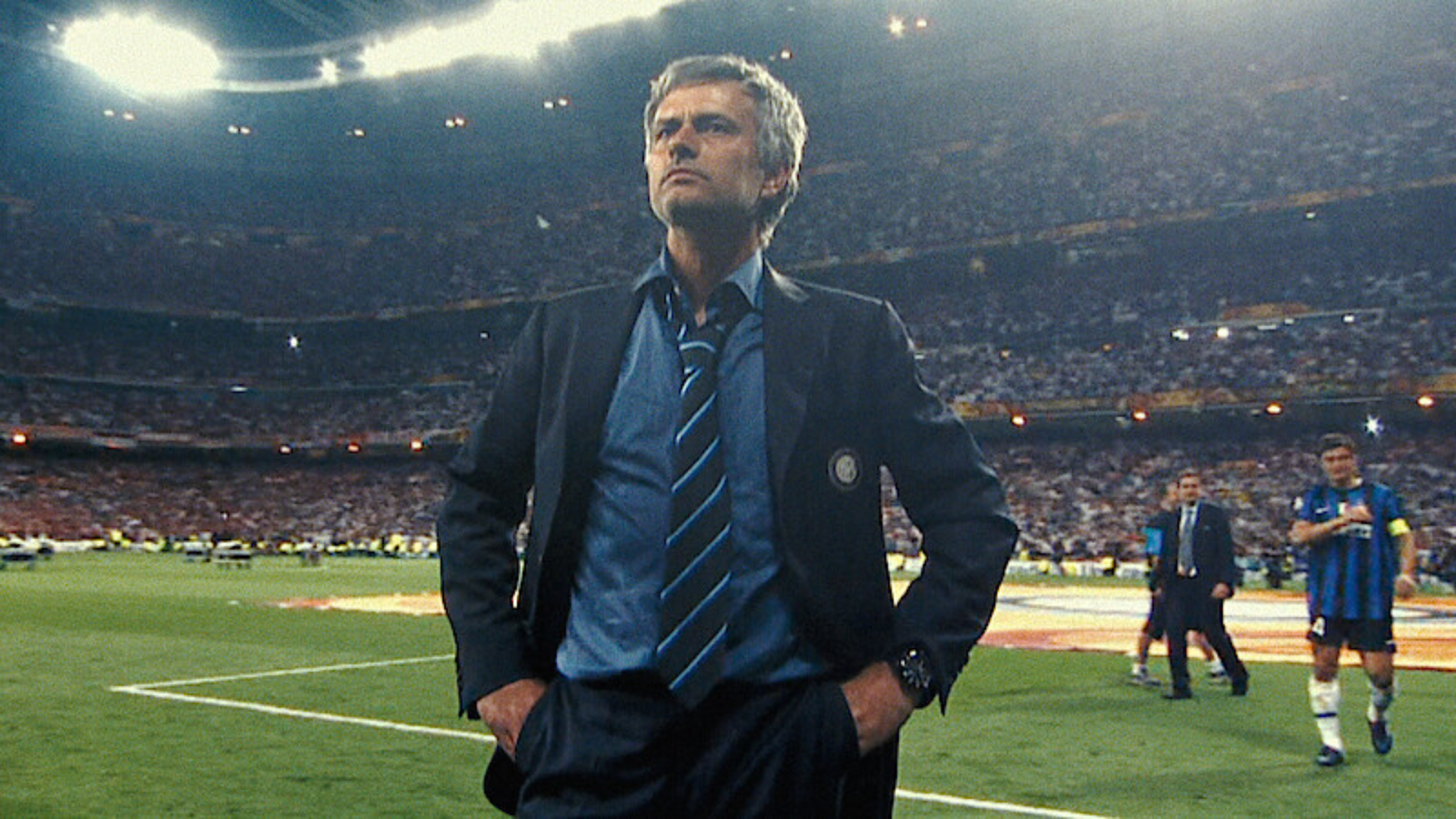
Credits: Netflix
Credits: Netflix
Netflix’s Mourinho has all the ingredients of a compelling football documentary: trophies, rivalries, press-conference theatre, tactical brilliance, and a manager whose personality could fill an entire stadium. The three-part series revisits Chelsea, Inter Milan, Real Madrid, and Mourinho’s battles with critics and rivals.
Yet its treatment of Porto’s 2004 Champions League triumph feels strangely incomplete. That victory was the foundation of the Mourinho legend.
But Netflix does not give it the weight it deserves.
Mourinho’s Porto story began before glory
José Mourinho’s connection with FC Porto developed before he became the club’s manager. He worked at Porto as an assistant and translator during Bobby Robson’s time there, gaining an understanding of training methods, tactical preparation, and dressing-room management. His work behind the scenes helped shape the coach he would eventually become.
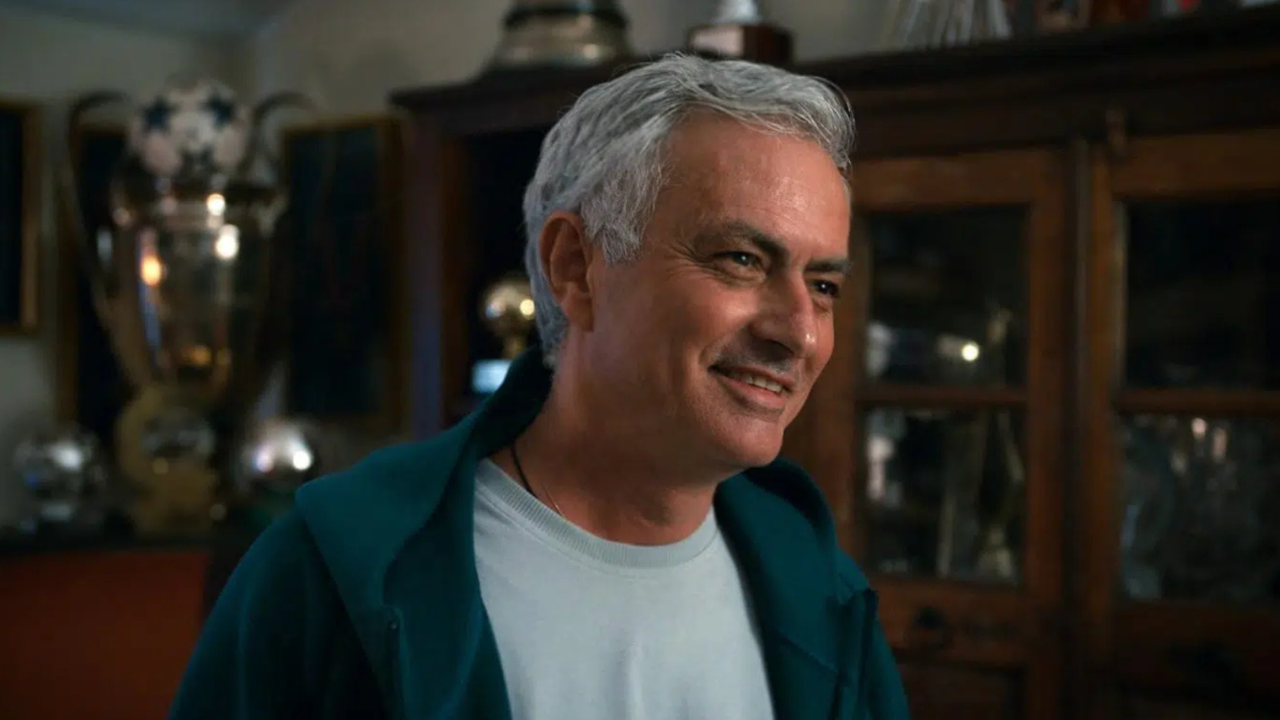
Credits: Netflix
Credits: Netflix
When Mourinho returned to Porto as manager in January 2002, the club was operating under enormous pressure. Porto had a proud history, but it lacked the European stature of clubs such as Real Madrid, Manchester United, Barcelona, or Bayern Munich. Mourinho immediately projected confidence, promising that the team could win major honours.
The Netflix documentary acknowledges Porto as a crucial stage in Mourinho’s rise, but it moves through the club’s story too quickly. The journey from ambitious Portuguese coach to European champion deserved a more detailed examination.
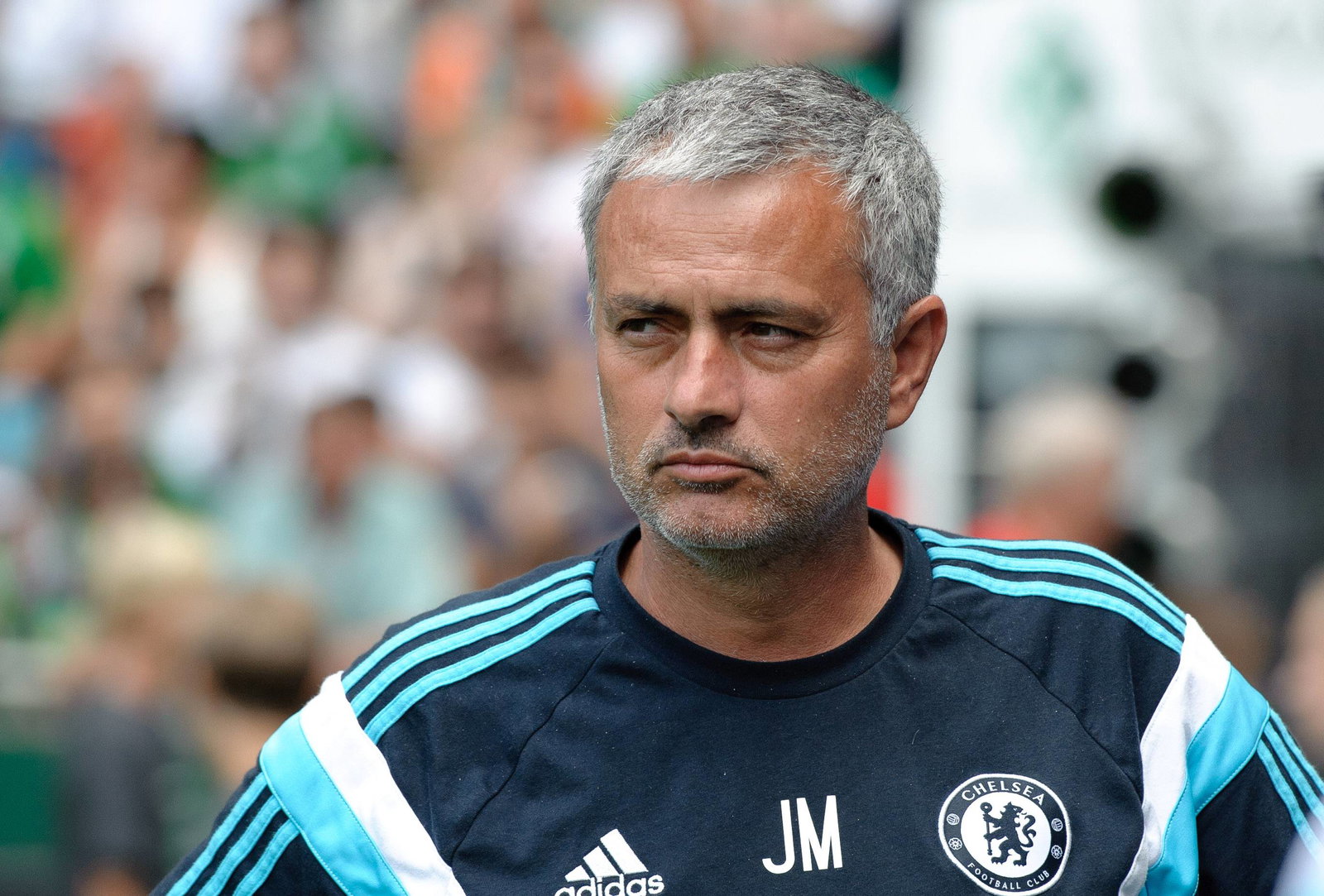
To understand why the 2004 triumph mattered, it is essential to revisit the obstacles Mourinho faced when he inherited Porto.
Taking over a struggling European club
José Mourinho took control of Porto at a moment when the club needed direction and belief. His ambition was obvious, but ambition alone could not close the financial and sporting gap between Porto and Europe’s wealthiest teams. His solution was a carefully organized squad built around discipline, movement, and collective confidence. Players such as Deco, Ricardo Carvalho, Maniche, Costinha, Nuno Valente, and Carlos Alberto became central to the team’s identity.
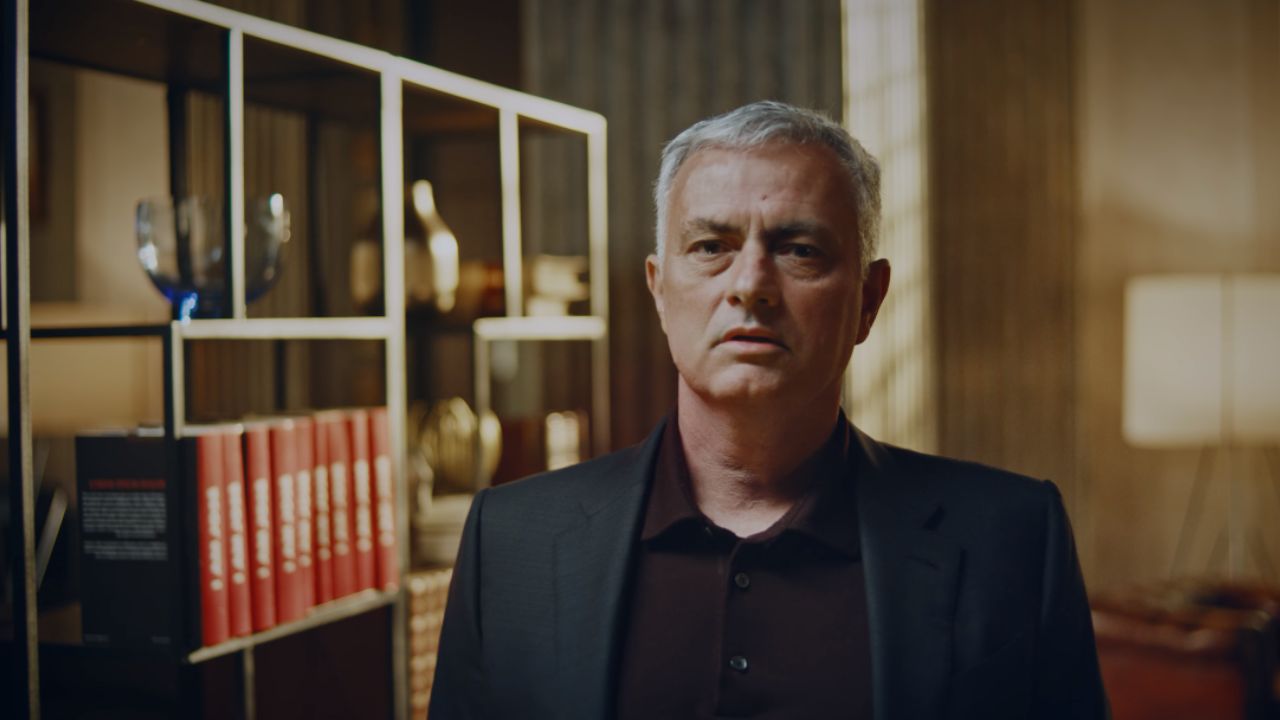
Credit: José Mourinho becomes official manager of ALL teams for UEFA EURO 2024... Topps Sticker Album/ Topps UK via YouTube
Credit: José Mourinho becomes official manager of ALL teams for UEFA EURO 2024... Topps Sticker Album/ Topps UK via YouTube
Mourinho also developed a powerful relationship with his players, creating a sense that the squad was united against outside expectations. His methods were tactically astute and ruthlessly pragmatic. Porto defended with structure, pressed intelligently, and attacked quickly when opportunities appeared.
Mourinho understood that his team could not simply imitate the continent’s richer clubs. It needed a clear identity built on preparation, organization, and psychological strength. The campaign also revealed Mourinho’s talent for controlling the atmosphere around a match. He used press conferences to redirect pressure, challenge opponents, and convince his players that they belonged among Europe’s elite. That siege mentality became one of his most effective tools.
That belief was tested when Porto encountered Europe’s giants on the road to one of the most famous finals in Champions League history.
The iconic Champions League triumph
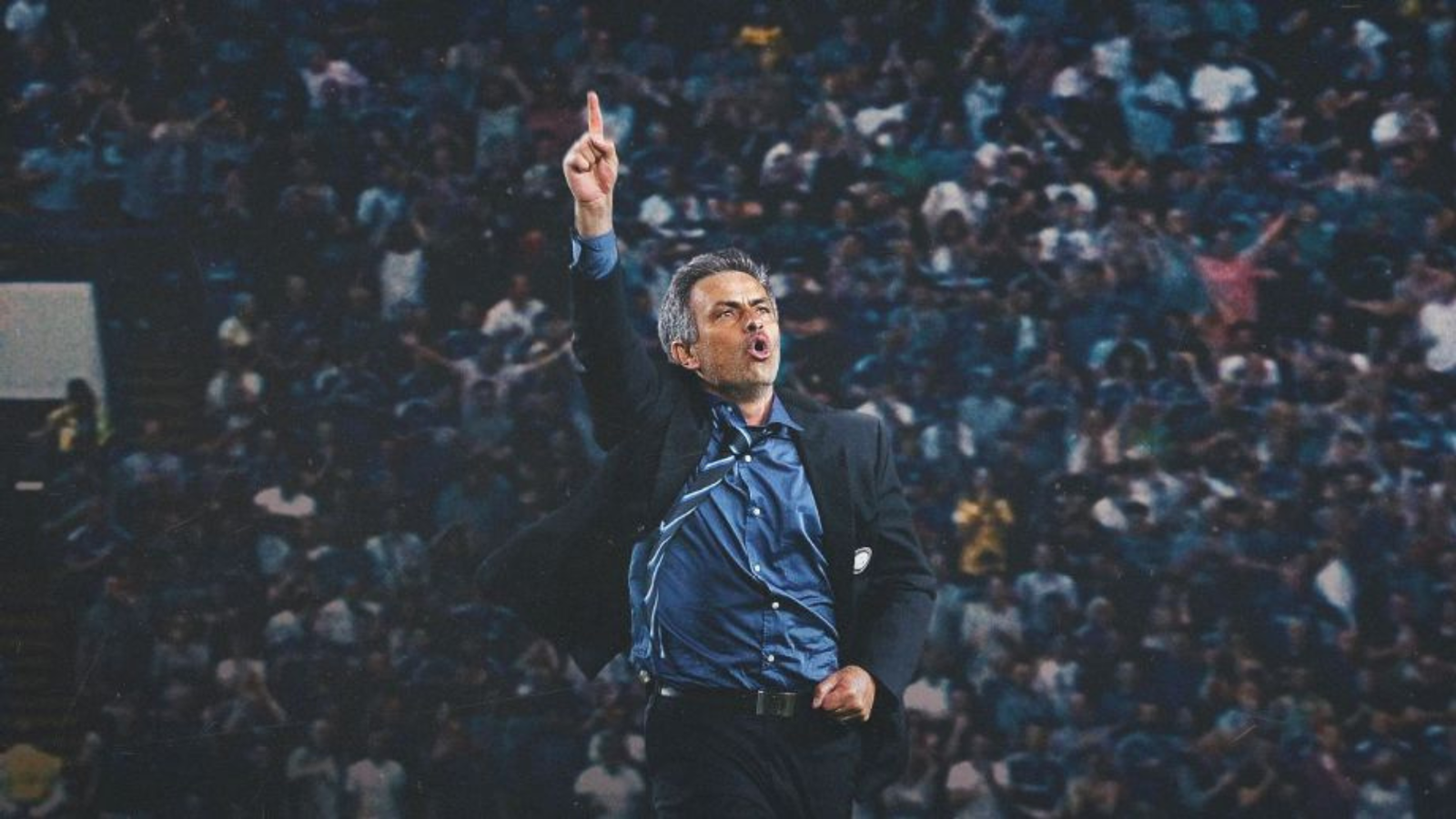
Porto’s 2004 Champions League campaign remains Mourinho’s defining achievement. The club defeated Manchester United in the round of 16, a tie remembered for Costinha’s late goal at Old Trafford and Mourinho’s famous touchline celebration. That moment captured his theatrical personality and announced him as a major figure in European football.
Credit: Netflix
Credit: Netflix
Porto then overcame Lyon in the quarter-finals and Deportivo La Coruña in the semi-finals. The team reached the final in Gelsenkirchen, where it faced Monaco. Porto won 3–0 through goals from Carlos Alberto, Deco, and Dmitri Alenichev. The victory was extraordinary because Porto had defeated clubs with greater financial resources and more internationally recognized squads.
The triumph changed Mourinho’s career permanently. When he arrived at Chelsea afterward, he introduced himself to English football as “a special one,” beginning the persona that later became known as “The Special One.” His confidence was no longer an act without evidence. He had just delivered the European Cup to a club few expected to reach the summit.
Netflix’s Mourinho includes this achievement, but the series appears more interested in the mythology surrounding Mourinho’s later career. Porto’s victory should have been the documentary’s emotional and structural centerpiece. It explains the confidence, the defiance, and the winner’s mentality that defined everything afterward.
Do you think Porto’s 2004 Champions League victory is José Mourinho’s greatest achievement? Let us know in the comments.

Edited By: Aliza Siddiqui
