
'Dark' vs 'Stranger Things': Which Netflix TV Show Is Better?
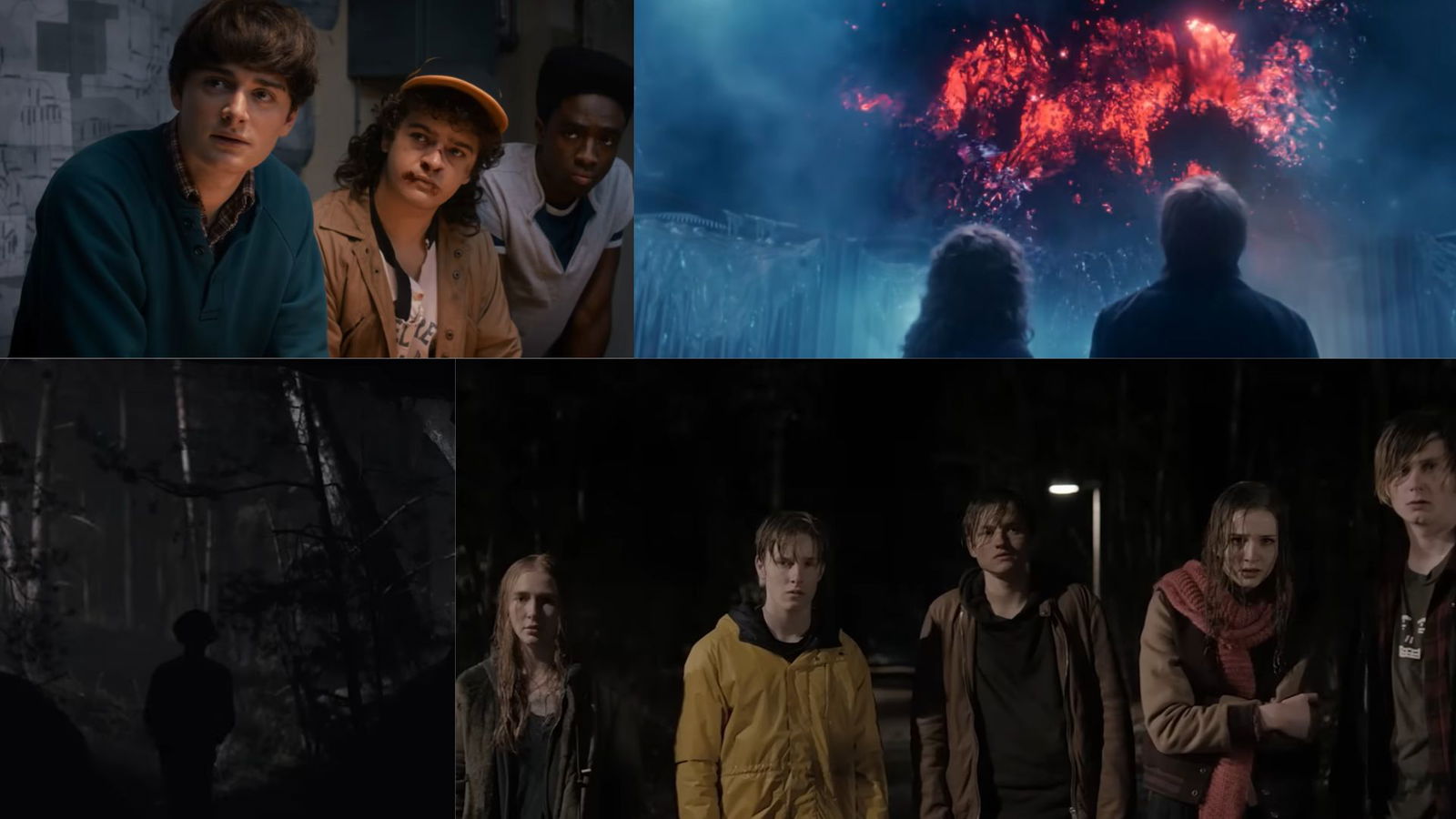
The moment Dark, Netflix's first German-language original series, debuted in 2017, the comparisons were immediate and relentless. Set in a small town besieged by a supernatural mystery, featuring disappearing children and cryptic scientific anomalies, the show seemed cut from the same cloth as the American phenomenon Stranger Things. However, these surface-level similarities bring the question: are the two series worlds apart, or are they almost the same? Who wins the battle?
The comparison aims to explore their origins, shared themes, key differences, and final verdict on which show truly reigns supreme.
Dark vs Stranger Things: Which TV show came first?
ADVERTISEMENT
Article continues below this ad
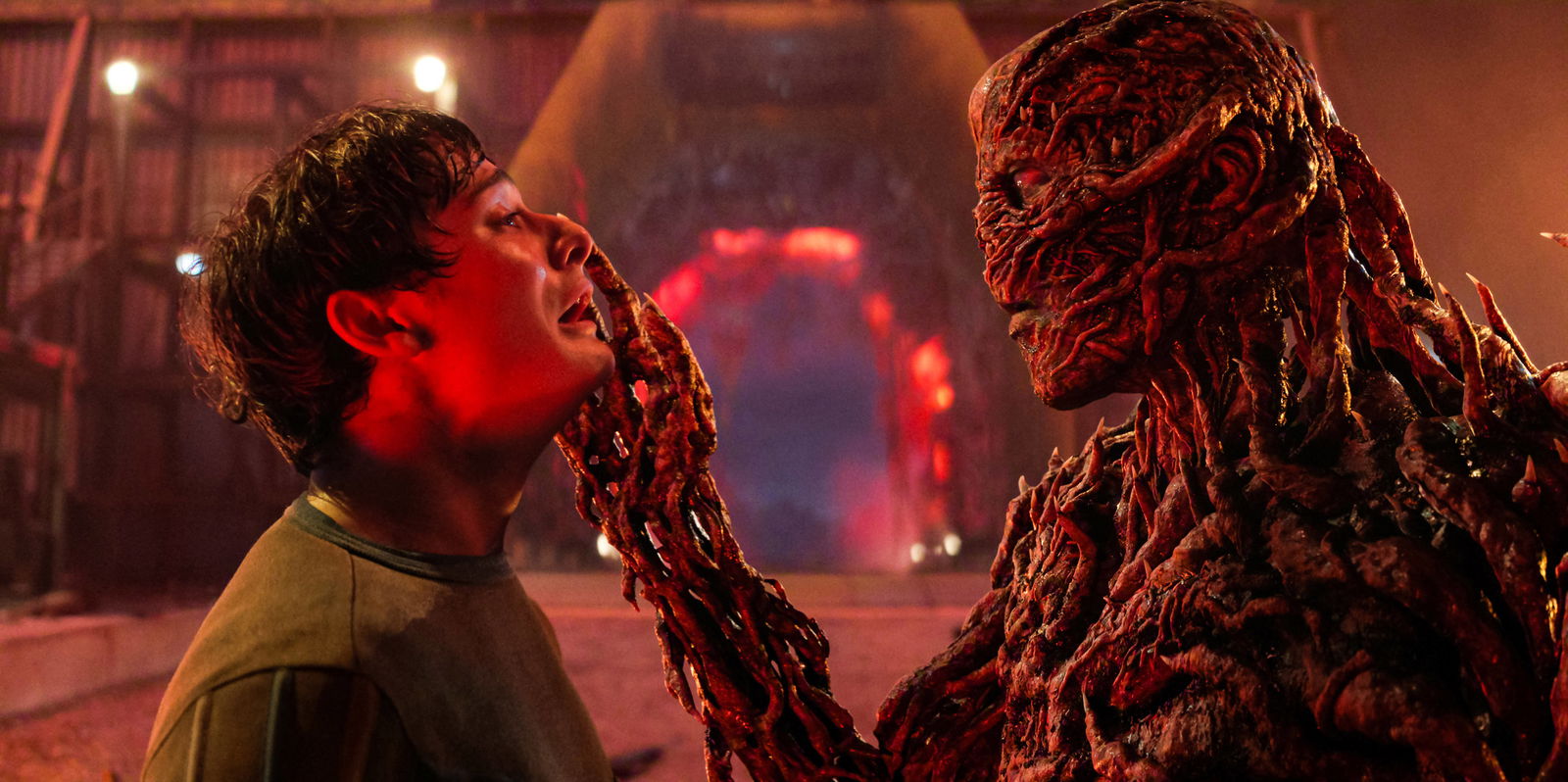
Stranger Things first captivated audiences with its first season release on July 15, 2016, quickly becoming a cultural benchmark for the streaming platform. Created by the Duffer Brothers, Matt and Ross, the series drew heavily from the popular culture, films, and literature of the 1980s, particularly the works of Steven Spielberg and Stephen King. The show’s immediate, accessible nostalgia, combined with its strong cast of child actors, allowed it to rapidly gain massive international popularity and set the stage for subsequent sci-fi mystery shows.
Dark followed nearly a year and a half later, premiering on December 1, 2017. Created by Baran bo Odar and Jantje Friese, the German series possesses a much darker, more serious, and less nostalgic tone, focusing instead on complex philosophical questions of free will and causality. Although the core plot also begins with a missing child, its foundation rests on a time travel conspiracy spanning generations, influenced by German folklore and dense science fiction concepts, rather than 1980s Americana

In one line, a fan can explain the plot of Stranger Things, but definitely not the storyline of Dark. Despite their different origins and goals, the shows share several thematic and structural components that fuel the ongoing comparisons.
Dark vs Stranger Things- Things common in both
Both shows successfully leverage the motif of a small-town setting: Hawkins, Indiana, and Winden, Germany, where ordinary life conceals extreme and universe-shattering secrets. The foundational plot for both is built upon the theme of missing children, forcing parents and local authorities to confront unexplained phenomena. The central mysteries in both series are primarily unraveled by groups of kids or teenagers, who use their wits and scientific knowledge to battle forces beyond normal human comprehension.
In Stranger Things, the core mystery centers on alternate dimensions and the horrors of the Upside Down, while Dark explores the highly complicated mechanics of time travel and the causality paradox. Both series introduce supernatural science concepts that drive the action, whether it is Eleven’s psychic powers or the wormhole beneath Winden’s nuclear power plant.
Furthermore, both narratives are deeply rooted in emotional family drama, using the extreme circumstances to expose long-held secrets and the fractured relationships between generations.
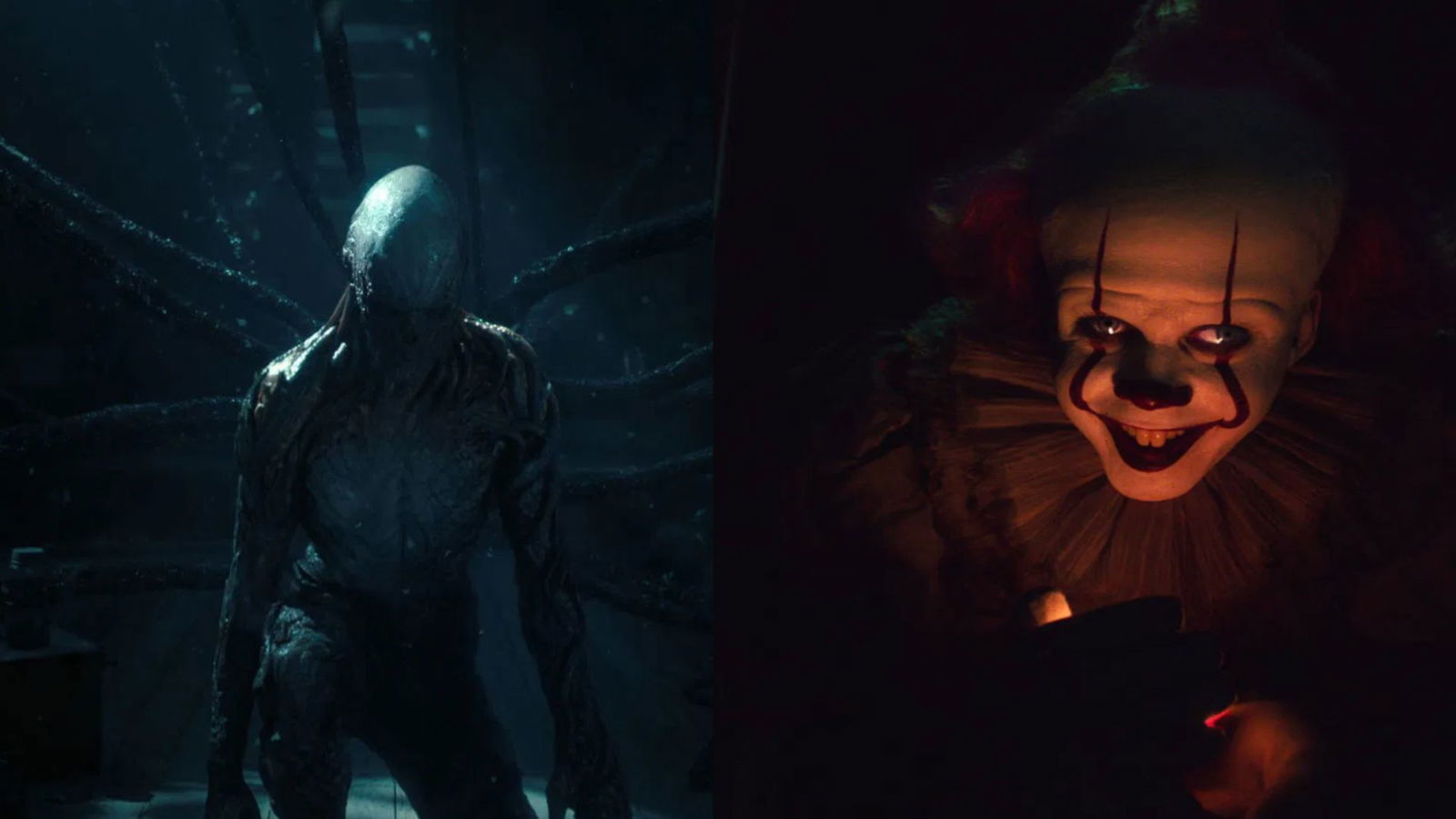
The chronological order of release has unfairly cast one show as an imitator, despite fundamental differences in execution.
Is Dark a Stranger Things copy?
According to Netflix Tudum, the creators of Dark, Baran bo Odar and Jantje Friese, started developing their idea before Stranger Things premiered, but the German series launched eighteen months later. This later release timeline led many fans to assume Dark was merely a German copy designed to capitalize on the Stranger Things popularity. However, the two series belong to distinct subgenres: Stranger Things is a science fiction horror adventure drawing on 80s pop culture, while Dark is a bleak, philosophical science fiction mystery built around intricate bootstrap paradoxes.
The biggest difference lies in structure and tone. Stranger Things is visually bright, action-oriented, and emotionally warmer, often breaking its tension with moments of humor and youth-centric drama. Dark, conversely, is relentlessly gloomy, relying on slow-burn suspense and an intensely complex, non-linear narrative that challenges the viewer to track multiple versions of the same characters across decades. The comparison is mainly due to the superficial similarities of kids on bikes solving a supernatural small-town mystery.
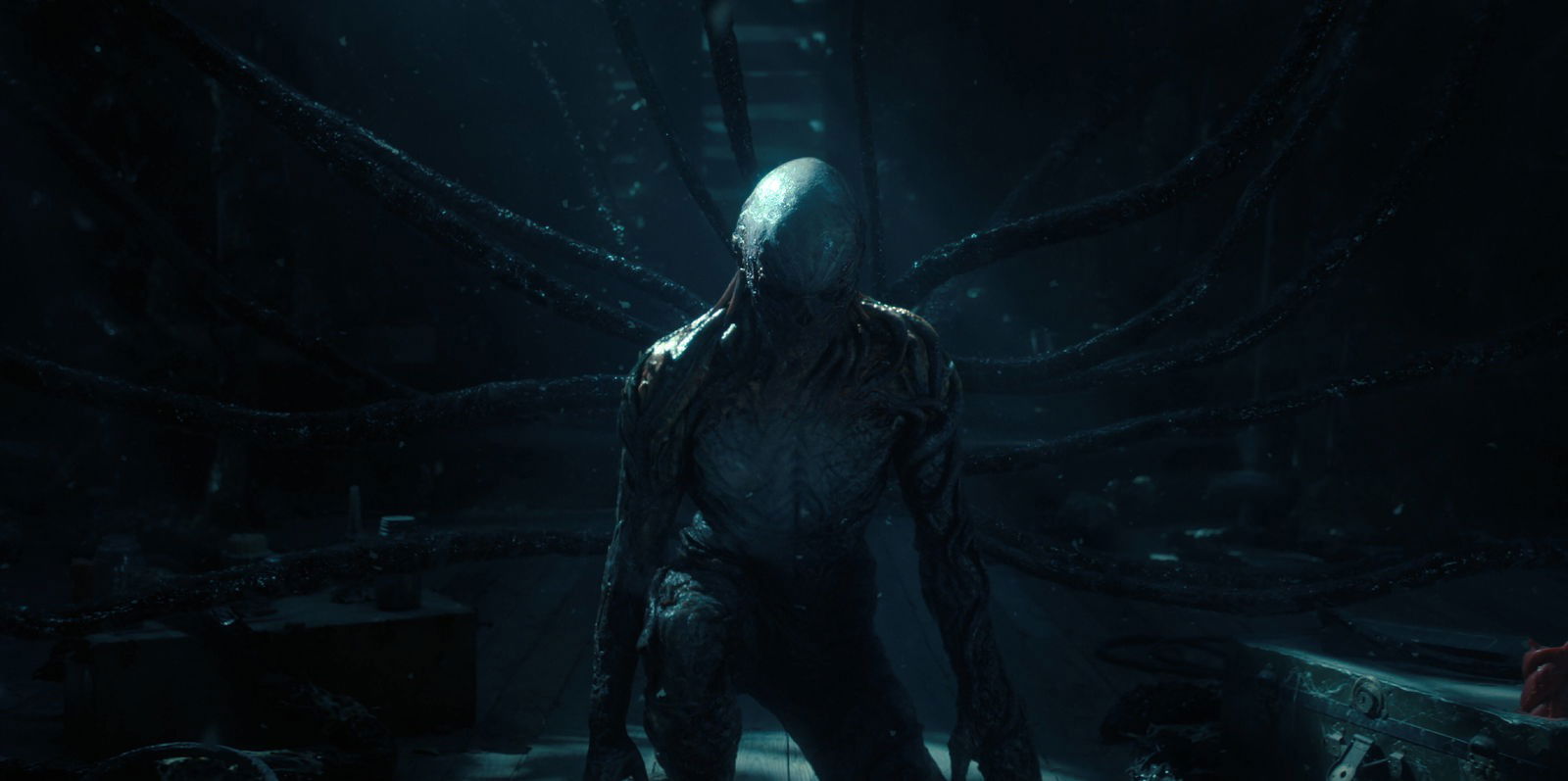
Popularity is often measured by mainstream attention, viewership records, and critical consensus across a wide audience.
Dark vs Stranger Things: Which is the more popular tv show?
Stranger Things is overwhelmingly the more globally popular television show and is generally considered Netflix's flagship cultural phenomenon. It consistently breaks records, with its most recent seasons amassing unprecedented global viewership hours and causing the streaming platform to temporarily crash upon release. The show has garnered extensive social media traction, achieved higher mainstream visibility, and secured numerous major awards and nominations, including multiple Primetime Emmy Award nods.
While Dark received intense critical praise for its ambitious complexity and narrative coherence, it appealed to a smaller, dedicated audience of philosophical sci-fi enthusiasts. Its German language and demanding plot made it less accessible to a mass mainstream audience compared to the nostalgia and simple horror tropes of its American counterpart.
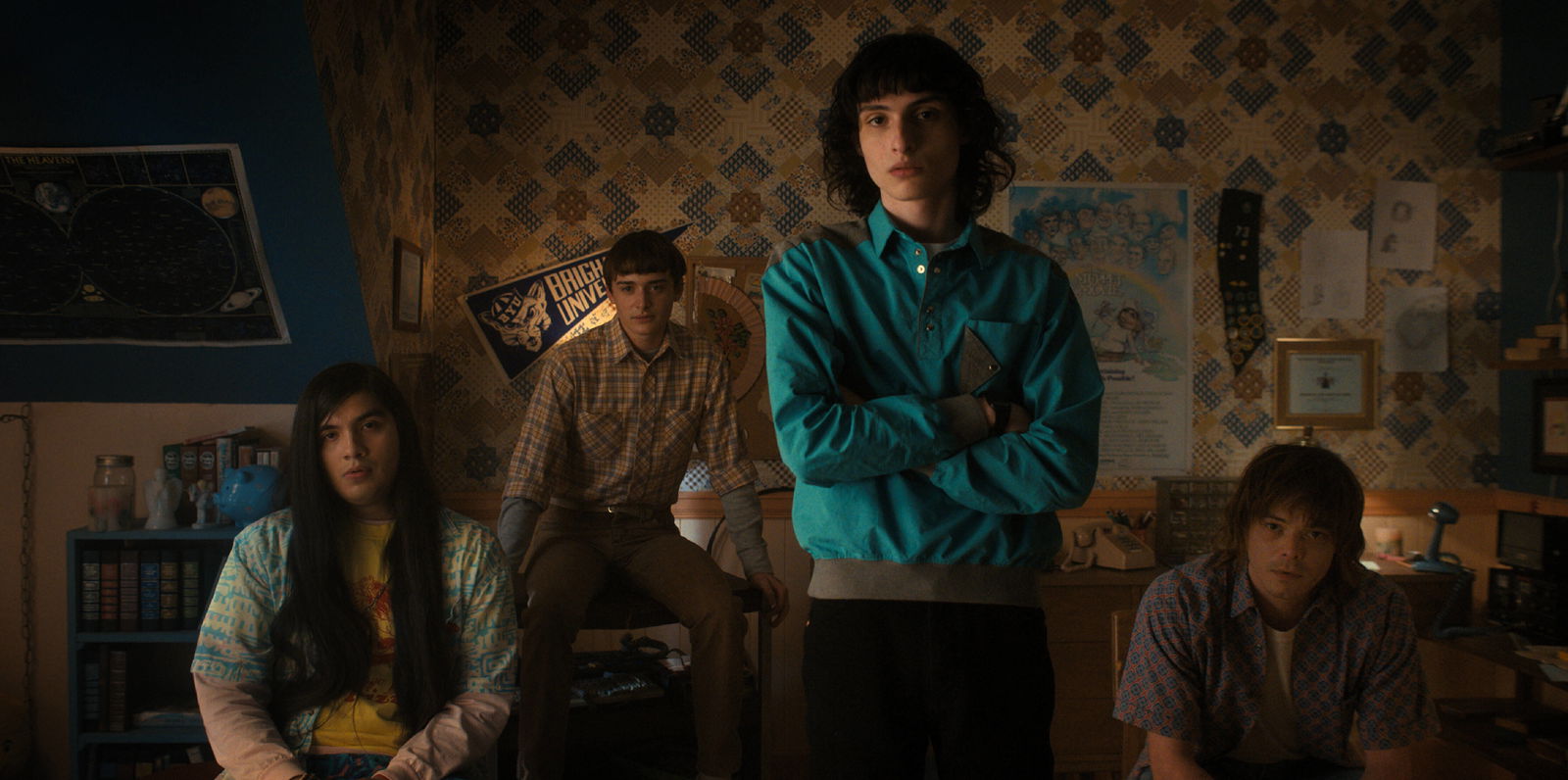
To determine superiority, we must evaluate the artistic and narrative merit that defines each show's unique approach to storytelling.
Dark vs Stranger Things: Which is better tv show?
Why are these two shows compared so often? The comparison originates from the shared premise of disappearing children in a small town hiding a secret government or scientific operation. However, the better show depends heavily on the viewer's preference for complexity versus accessibility.
For complex storytelling, Dark is widely lauded for its intricate, tightly plotted narrative, utilizing time travel to explore themes of fate and free will without loose ends. Its consistent tone, atmosphere, and superb cinematography, often focusing on bleak German landscapes, contribute to its high quality.
Dark holds an impressive overall IMDb rating of 8.7/10, reflecting its stellar reception among critics and fans. Meanwhile, Stranger Things, with an overall IMDb rating generally hovering around 8.6/10, excels in character development, world-building (The Upside Down), and pacing, making it the superior choice for high-energy adventure and nostalgic horror.
ADVERTISEMENT
Article continues below this ad
| Feature | Stranger Things | Dark |
| Original release | July 2016 (Came First) | December 2017 (Followed) |
| Country / Language | United States (English) | Germany (German) |
| Core sci-Fi concept | Alternate Dimensions (The Upside Down) | Time travel and Causality paradoxes |
| Tone | Nostalgic, Adventure, Horror, Comedic | Bleak, Philosophical and Existential terror |
| Narrative | Linear, Accessible, Character-Focused | Non-linear, intensely complex, Intertwined paradoxes |
| Popularity | Global cultural phenomenon, Mass appeal | Cult hit and Niche appeal |
| IMDb rating | 8.6/10 | 8.7/10 |
| Primary appeal | 1980s Pop culture and Found family dynamics | Intricate puzzle box |
The ultimate choice between these two exceptional Netflix mysteries depends entirely on the viewer's preference for complex philosophy or nostalgic adventure.
ADVERTISEMENT
Article continues below this ad
What are the critical differences between the time-traveling German drama Dark and the nostalgia-fueled horror hit Stranger Things? Let us know in the comments below.
ADVERTISEMENT

Edited By: Aliza Siddiqui
ADVERTISEMENT
ADVERTISEMENT
