
'Avatar: The Last Airbender' Season 2 vs Book 2- 11 Major Changes Netflix Made
Credits: Netflix
Credits: Netflix
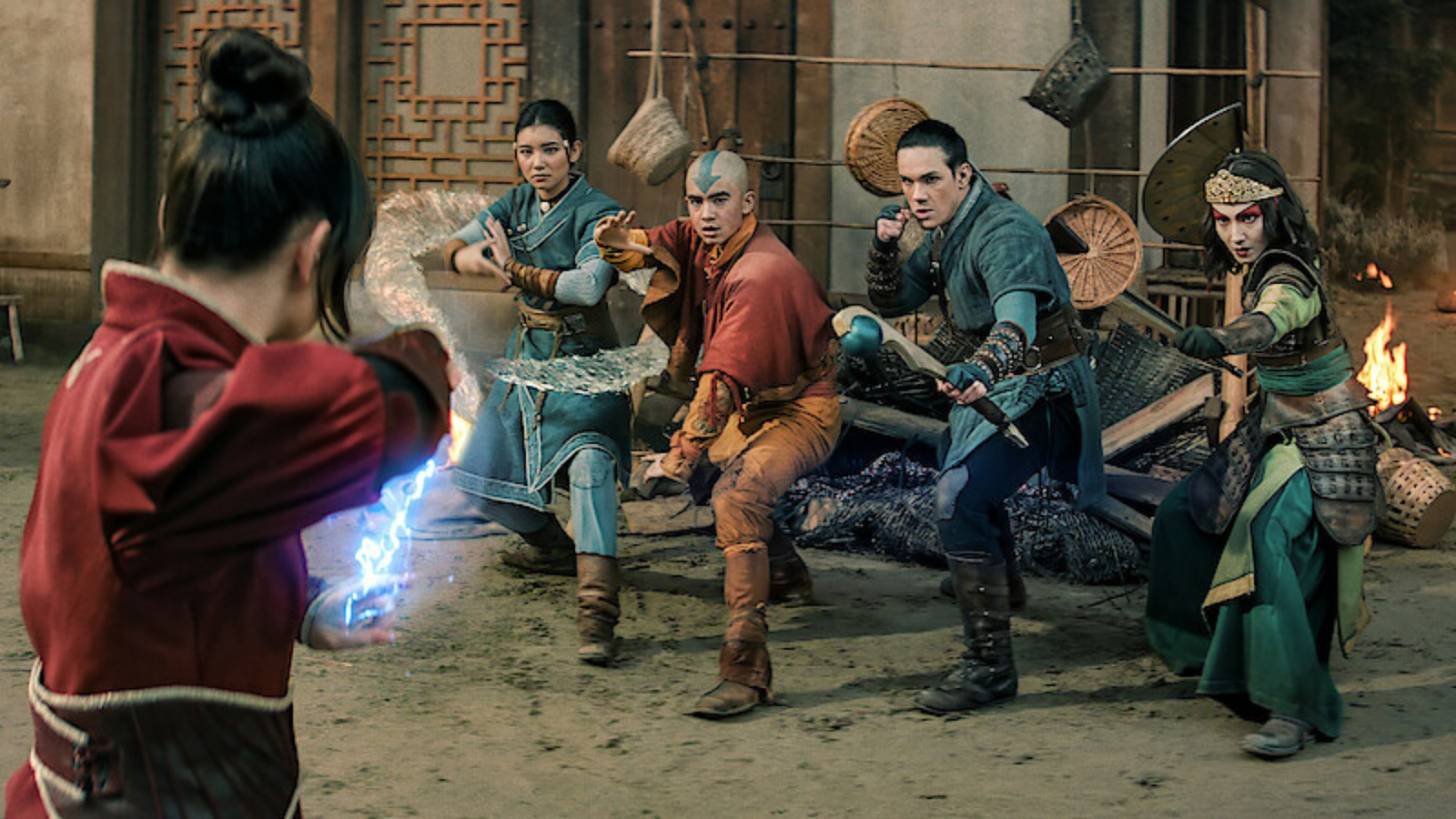
Season 2 of Netflix’s live‑action Avatar: The Last Airbender pushes deeper into the Earth Kingdom, Ba Sing Se, and the looming war, while juggling a tighter episode count and an aging young cast. It keeps the emotional core of Aang’s journey but reshapes structure, pacing, and character arcs to suit prestige fantasy TV.
Along the way, it diverges sharply from Book 2: Earth of the animated series, resulting in eleven major changes that redefine how this era of the story plays out.
1. Toph’s age
In the animated Book Two: Earth, Toph Beifong bursts onto the scene as a 12‑year‑old earthbending prodigy whose youth contrasts sharply with her immense power. The live‑action Season 2 keeps her core traits but casts Miya Cech, presenting Toph as slightly older while still brash, fiercely independent, and supremely confident.
This allows the show to align better with the aging cast and makes her dynamic with Aang and the others feel more like a peer relationship than a kid prodigy surrounded by older teens.
Next, the series reshuffles one of Katara’s most memorable arcs.
2. The painted lady moves to season 2
Originally, Katara’s Painted Lady alter ego appears in Book Three: Fire as a standalone story where she secretly protects a struggling village from neglect and pollution. In Netflix’s Season 2, that storyline is transplanted into Ba Sing Se and reimagined to explore the stark inequalities between the city’s lower, middle, and upper rings.
It becomes a key arc for Katara after she finishes teaching Aang waterbending, channeling her sense of justice into vigilantism that exposes how the Earth Kingdom’s capital fails its most vulnerable citizens. Showrunner Christine Boylan has described this shift as a way to deepen Katara’s moral drive while freeing narrative room for Season 3’s adaptation of Book Three: Fire.
That restructuring continues with one of the show’s most emotional turning points.
3. The library and appa’s disappearance combined
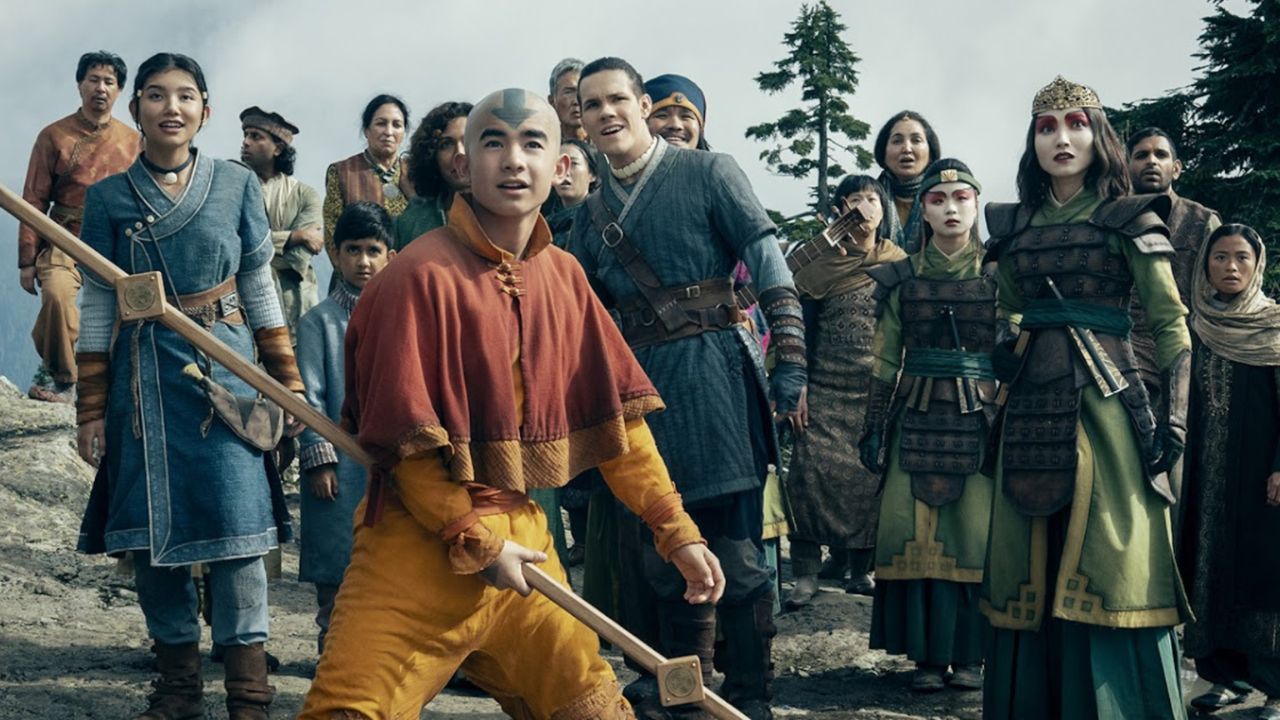
In the animated series, the visit to Wan Shi Tong’s Library and Appa’s kidnapping happen in sequence, with Appa’s Lost Days standing alone as an emotional follow‑up. Netflix’s Season 2 collapses these events together: Appa goes missing inside the Library itself, meaning Team Avatar’s discovery of the Day of Black Sun information is immediately undercut by the loss of their sky bison.
By removing a separate Appa’s Lost Days episode, the show concentrates plot and emotional impact into a single midpoint crisis, making the team’s strategic breakthrough inseparable from their deepest personal blow.
Once Appa’s abduction is folded into the Library, the series starts trimming entire animated set‑pieces.
4. The Drill episode removed
One of Book Two: Earth’s most visually memorable outings is the massive Fire Nation drill attacking Ba Sing Se’s outer wall, a full episode devoted to an elaborate siege and engineering spectacle. In the live‑action Season 2, that storyline is removed altogether, and the iconic drill never appears.
This cuts one of the animated series’ standout action sequences but also sidelines the original context in which Toph first discovers metalbending. The Ba Sing Se conflict instead focuses more tightly on political intrigue, the Dai Li, and Azula’s infiltration, rather than a large‑scale mechanical assault.
With the drill gone, another desert storyline tied to Appa’s captors is also excised.
5. Sandbending and desert tribe omitted
In the animated Book 2, the Gaang’s trek through the desert introduces a Sandbender tribe responsible for stealing Appa, spotlighting a distinct Earth Kingdom subculture and a frantic chase. Netflix’s adaptation removes sandbending as a featured cultural element and relocates Appa’s disappearance to the Library, eliminating the mystery of the captors and the confrontation in the dunes.
As a result, the Earth Kingdom feels slightly less varied in terms of bending styles and local customs, but the story gains a more streamlined path by keeping the Appa plot tied directly to Wan Shi Tong’s domain.
Where the show trims these world‑building beats, it expands emotional space for one of the core heroes.
6. Sokka’s grief over Yue deepened
In the animated run, Sokka’s mourning for Princess Yue, who sacrifices herself at the end of Book One: Water, is present but relatively brief before Book 2 moves on. The live‑action Season 2 makes his grief a more explicit and ongoing part of his arc: in Episode 1, Sokka clearly states he is still hurting when Aang brings up Yue, and that pain informs his decisions moving forward.
Critics have highlighted this as one of the most effective changes, giving Sokka a richer emotional dimension and setting up his later romantic development and leadership growth with more weight.
This focus on inner conflict mirrors another character whose standalone animated episode is transformed in live action.
7. Zuko’s solo journey reframed
“Zuko Alone” is widely regarded as one of the best animated episodes, a focused portrait of the exiled prince wandering the Earth Kingdom and wrestling with memories of his mother. Netflix’s Season 2 does not recreate that episode beat‑for‑beat; instead, Zuko’s introspection is spread throughout the Ba Sing Se storyline.
He lives modestly, steps in to protect Fire Nation refugees, dons the Blue Spirit mantle to help people, and develops a romance with Earth Kingdom local Jin, played by Kelsey Lopes. Reviewers consistently praise Dallas Liu’s performance, noting that this distributed approach preserves the spirit of Zuko’s inner conflict while integrating it more directly into the city’s politics and refugee experience.
Once Zuko’s growth is reframed, the season also reshapes the emotional core of his eventual betrayal.
8. Zuko’s betrayal gains new motivation
In Book Two: Earth, Zuko’s decision to side with Azula is driven largely by his longing for his father’s approval and fear of continued exile. The Netflix version adds a more intimate emotional trigger: Azula appeals to a vow tied to their mother and the siblings’ promise to care for each other, turning the choice into a tragic pull of family loyalty rather than simple ambition.
This re-contextualization makes Zuko’s betrayal feel more sympathetic and ambiguous, emphasizing how deeply he is torn rather than framing it as a straightforward regression. The change also lays the groundwork for a more layered redemption arc in Season 3.
While Zuko’s motivations are reshaped, Toph’s landmark bending breakthrough is given a new backdrop too.
9. Toph’s metalbending reimagined
In the animated series, Toph first discovers metalbending during the drill battle outside Ba Sing Se, improvising in the heat of combat. With the drill episode removed in live action, Season 2 ties her metalbending awakening directly to her struggle against her own family. Toph is imprisoned by her mother in a metal cage and shipped home, and she invents metalbending as a means of escape, symbolically breaking free from being treated as a delicate, sheltered daughter.
This change keeps the discovery just as groundbreaking but anchors it in a personal, character‑driven moment about independence and self‑definition rather than battlefield spontaneity.
As Toph’s agency grows, another warrior from Kyoshi Island gets a greatly expanded footprint.
10. Suki’s role expanded across the Earth kingdom
Suki’s presence in the original Book 2 is relatively limited, with her most substantial later role coming in Book Three: Fire at the Boiling Rock. Netflix’s Season 2 brings her into the Earth Kingdom much earlier and more actively: she protects villages, aids refugees, and reenters Sokka’s life with a developing romantic dynamic that builds on his grief and growth.
This expanded role lets Suki function as a consistent heroic force and deepens the portrayal of resistance across the Earth Kingdom, planting seeds for Sokka’s trajectory and the eventual larger war effort.
With supporting characters boosted, the final change aims at the season’s closing moments, dramatically altering Aang’s fate.
11. Aang’s fate left uncertain in the finale
In the animated Book 2 finale, after Azula strikes Aang in the Avatar State, Katara uses Spirit Oasis water to revive him, and he survives, albeit weakened. The live‑action Season 2’s ending is far darker and more ambiguous. Katara still attempts to heal Aang with Spirit Oasis water, but he only flickers back briefly before losing consciousness again, and he does not fully recover on screen.
The Fire Nation secures control of Ba Sing Se, Zuko joins Azula, and the season closes with Aang unconscious and his survival uncertain, creating what reviewers describe as one of the most devastating cliffhangers in the series.
What do you think about these major changes in Avatar: The Last Airbender Season 2? Let us know in the comments.

Edited By: Itti Mahajan
