
The Soundtrack That Saved Hawkins: How Music Became 'Stranger Things’ Real Superpower
The night in Hawkins is never truly silent. Beneath flickering street lamps and static from a crackling radio, melodies either float like whispers or cry like broken beings from worlds apart. Shadows twist and dance in rhythm, hinting at battles fought not with fists but with notes drawn from the depths of memory. Music weaves through the Upside Down’s eerie fog, carrying a hidden power no Vecna can fight against. The Stranger Things soundtrack is not just background noise but a pulse, a secret weapon waiting patiently before it bursts forth to change a town gripped by darkness.
So what really does stop a monstrous, dimension-hopping psychopath dead in his tracks? Turns out, it is not a flamethrower, but a seriously catchy tune from the 80s.
Stranger Things says synth beats over slingshots is the major defense at Hawkins
ADVERTISEMENT
Article continues below this ad
In Hawkins’ tangled web of horrors, music is more than an echo of the past. First and foremost is Max’s unforgettable encounter in fourth season's fourth episode, titled Dear Billy, cements this truth. Kate Bush’s 'Running Up That Hill' is no mere soundtrack; it literally pulls Max back from the monster Vecna’s grip. This scene stands as a landmark, blending supernatural suspense with profound emotional weight. The haunting rhythm serves as a lifeline in Stranger Things’ shadowed world.
This episode sparked a cultural phenomenon. Decades after its release, Kate Bush’s gut-wrenching song made it to the Rock and Roll Hall of Fame courtesy to this episode as well as re-entered the Billboard charts, having enchanted a whole new generation altogether. Stranger Things did more than use the track—it revived it, turning nostalgia into survival. Fans across the globe flooded TikTok and playlists with covers and references. The series taught viewers that music is not just sound; it is an indelible force intertwined with story and survival.
Beyond Max’s rescue, music anchors characters emotionally throughout the show. Will Byers’ steadfast attachment to The Clash’s 'Should I Stay or Should I Go' is more than preference. It forms a tether connecting him to brother Jonathan, a reminder of home amid horror and madness. This song embodies memory, safety, and hope amid lurking terrors. Stranger Things continuously shows music grounding the characters when reality seems to fracture.
The second season's Snow Ball dance is another example, this time with bittersweet undertones as Tears for Fears’ 'Every Breath You Take' plays softly. It underscores emotions that resist simple definition: love, loss, innocence. Romantic moments are tinged with tension and fragility, mirrored by lyrics that cling as time slips away. Music becomes emotional texture, proving Hawkins is never free from shadows or complexity.
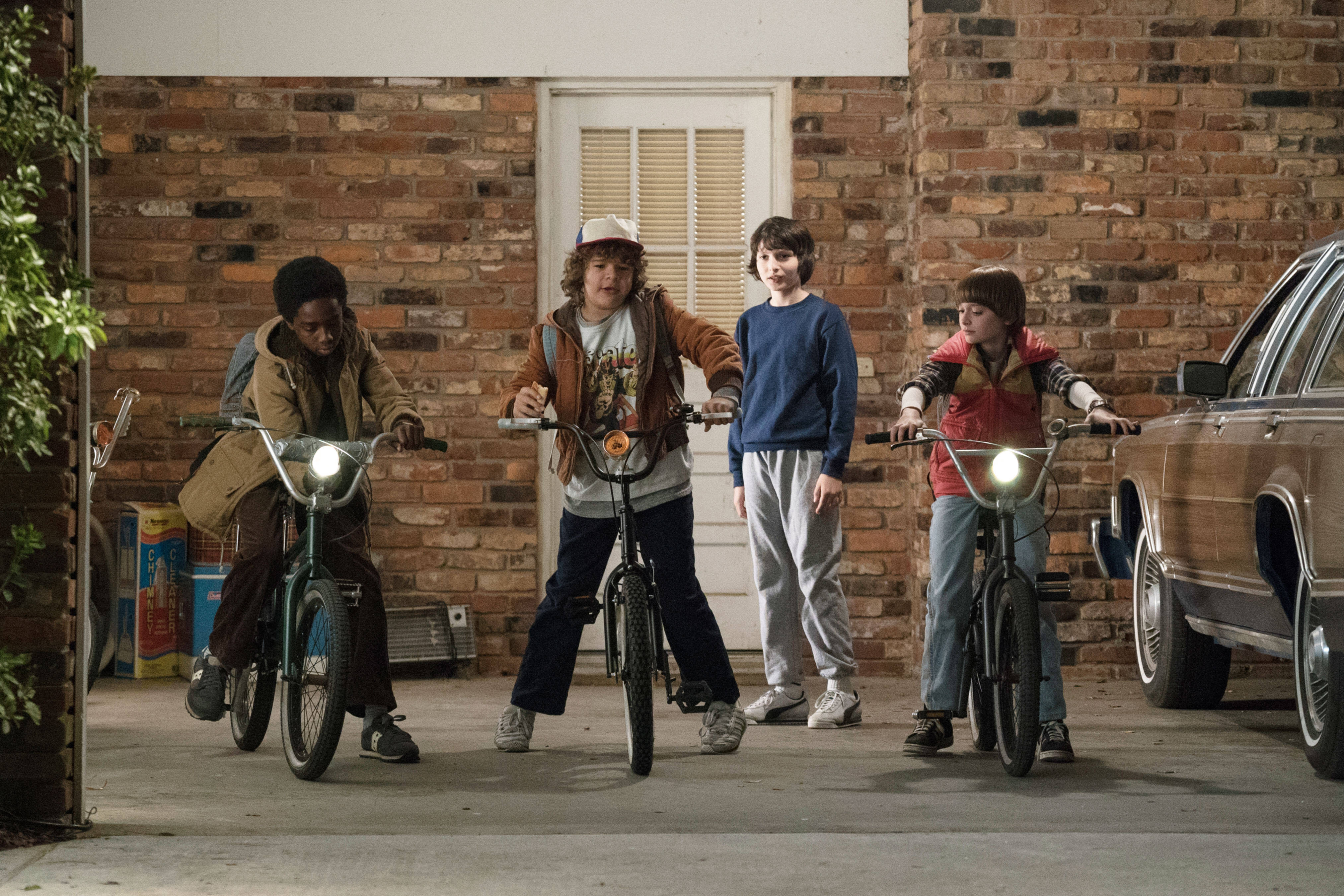
Vecna might just be the ultimate party pooper, trying to crash everyone’s mind with dark thoughts. His one weakness? A killer playlist that triggers good vibes and even better memories.
Booting Vecna out with one hit song at a time
Within Stranger Things’ universe, music functions almost as an anti-curse. The show invents a powerful rule, melodies unlock memories that shatter Vecna’s mental grasp. This parallels real-life trauma and music therapy, where songs access the past to reclaim agency. Audiences resonate with this, seeing music as a balm against unseen scars. The soundtrack becomes therapy woven into fantasy.
The storytelling power of sound reaches a climax in Eddie Munson’s electrifying guitar solo in the fourth season. Playing Metallica’s 'Master of Puppets', Eddie defies death not only with shred but narrative. This performance captures Steve's potential arch-nemesis turned good friend Eddie Munson as the misunderstood, raw, loud, and human hero he was planned to be. The music tells what words cannot: fear, hope, and courage. Eddie’s riff becomes a battle cry echoing past Hawkins.

Who knew that a Dungeons & Dragons club, a small town in Indiana, and a whole lot of synth-pop could bring back entire genres from the musical graveyard?
How Stranger Things resurrected retro
Stranger Things has so far functioned as a cultural engine, reintroducing classics to a generation hungry for authentic connection. The series revived Kate Bush and redefined Metallica for Gen Z. Its soundtrack morphs from nostalgia into viral sensation. Fans embrace this musical magic, crafting playlists, merchandise, and remixes that celebrate characters. Songs become symbolic lenses for interpreting journeys, like how David Bowie’s 'Heroes' captures Eleven’s heroic arc. Music lovers and Stranger Things fans unite, creating a communal soundtrack stretching beyond screens into daily life.
ADVERTISEMENT
Article continues below this ad
Ultimately, Stranger Things reveals music is no accessory. It is a lifeline cast across dimensions, an emotional anchor refusing to snap, and a weapon wielded against evil. Each track pulses with narrative weight, turning eerie chills into a symphony of survival. The soundtrack is Hawkins’ true superpower, saving it more times than it could ask for. It is a deal with music, if one may.
ADVERTISEMENT
Article continues below this ad
What other songs do you think represent the Hawkins' soundtrack perfectly? Let us know in the comments below.
ADVERTISEMENT

Edited By: Aliza Siddiqui
More from Netflix Junkie on Netflix News


ADVERTISEMENT