
'The Big Fake' Review: Netflix’s Crime Drama Paints a Brutal Picture of Italy’s Underworld
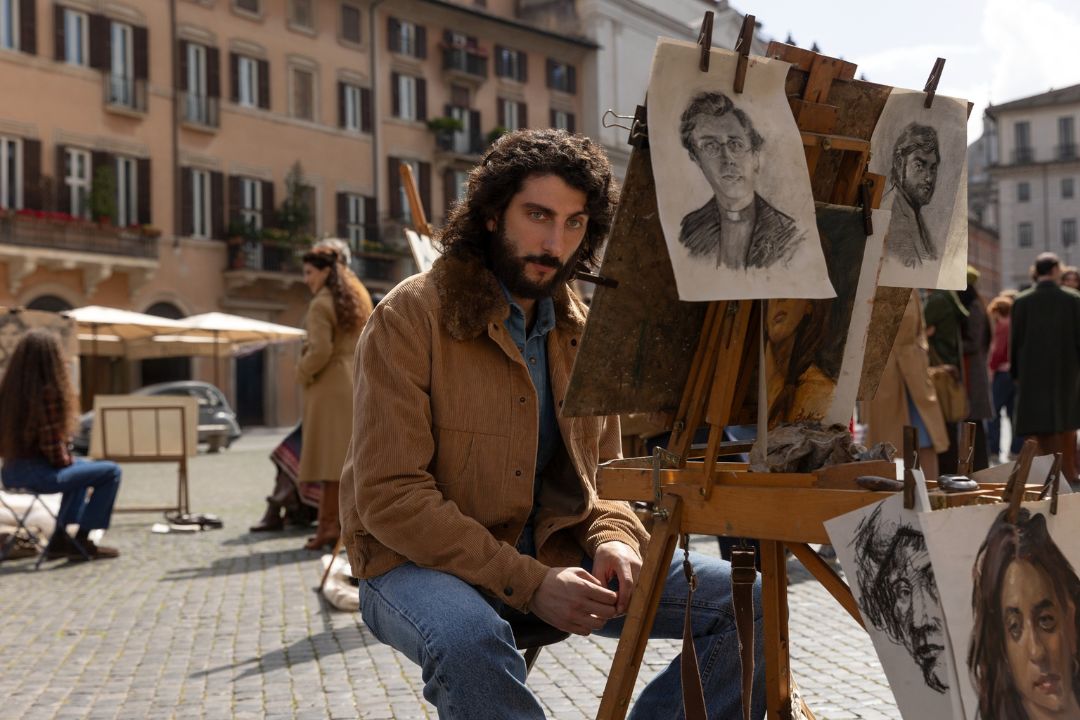
On January 23, 2026, Netflix premiered The Big Fake, a gritty Italian crime drama directed by Stefano Lodovichi, which attempts to peel back the layers of one of Italy’s most enigmatic figures: Antonio Chichiarelli, also known as Tony. The film serves as a haunting real-life inspiration story that navigates the 1970s Roman underworld, blending the romanticism of the Renaissance with the cold, hard steel of the poliziotteschi genre.
It is a story that begins with a paintbrush and ends with a bullet, questioning whether a man who can perfectly replicate the masters can ever truly craft an original life for himself.
Narrative structure of The Big Fake: From Lake Duchess to Rome
ADVERTISEMENT
Article continues below this ad
The story of The Big Fake opens with a completely black screen, a disembodied voice-over echoing in the darkness that hints at the fractured psyche of an artist, or perhaps a version of one that no longer exists. This introduction immediately grounds the film in the real-life tale of Toni (in the movie, he introduced himself as Tony with an 'I') reminding the viewer that freedom in the underworld always comes at a steep price.
The narrative structure then pivots sharply, exploding into a bright, sunlit landscape of mountains and hills where Toni sits before a canvas. It is here that the film delivers its most poignant punchline: Who wants to live in a world that fits on a canvas?
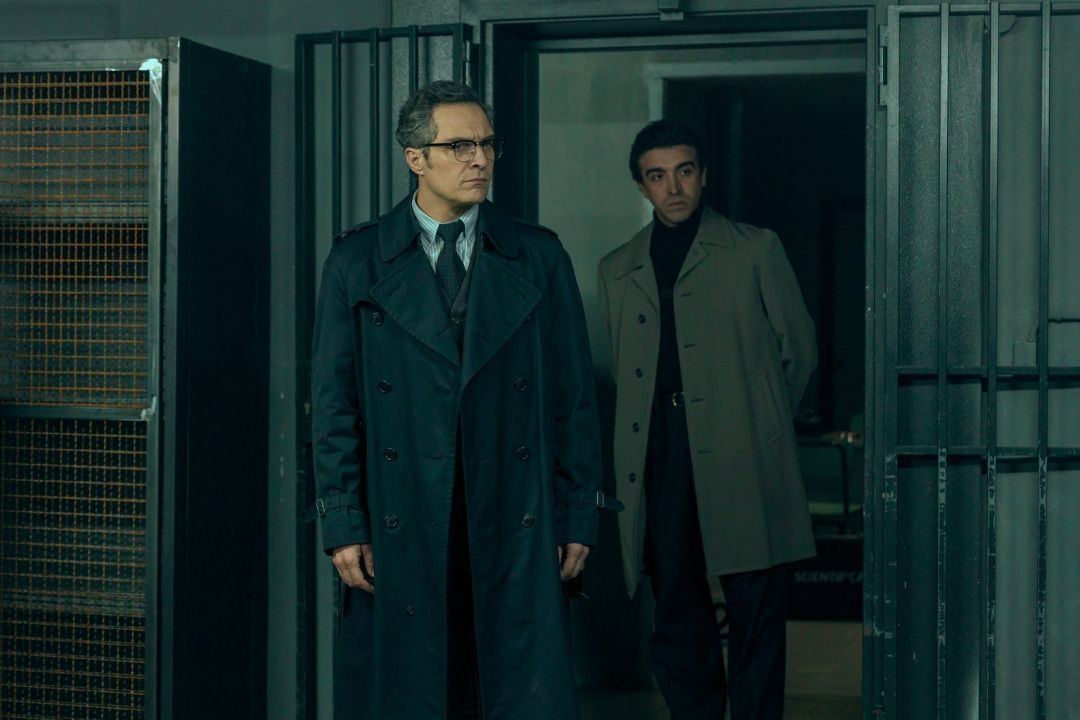
This line marks Toni the artist’s departure from his small town, alongside his childhood friends, a worker and a priest, who were once known together as the Alter Boys. The film uses this migration to illustrate the death of innocence.
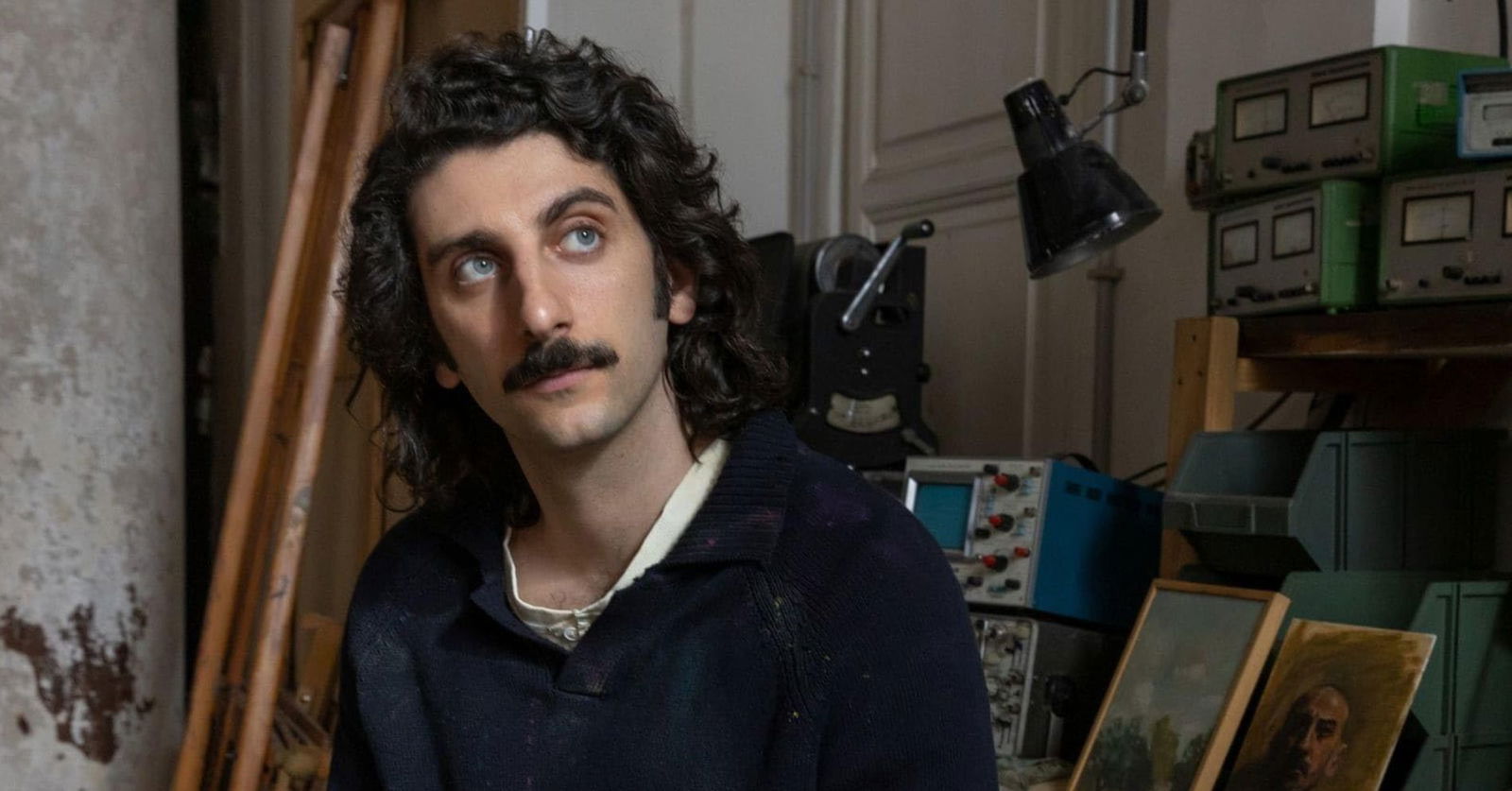
As they venture into the city, the plot meticulously tracks Toni descent from an ambitious painter to a risky player in a dangerous game.
The art of the underworld
What begins as recreating paintings of masters like Napoleon or fabricating false documents slowly spirals into the murky waters of underworld politics. The narrative explores the thin line between an artist and a thief, questioning how the creation of a fake can generate more power than an original work of art. The film does not shy away from the personal toll of this journey, showing how Toni's proximity to power causes him to nearly lose his love and his child.
The stakes eventually reach a national level when Toni's skills are utilized to create the fake statement during the Aldo Moro kidnapping. This sequence is perhaps the most chilling in the film, as it portrays the moment Toni put his sign on the history of the country, using his talent to manipulate a political crisis that gripped all of Italy.
The complexity of these historical events is mirrored in the way the film handles its central figures and their distinct motivations.
Andrea Arcangeli shines in The Big Fake
Andrea Arcangeli delivers a transformative performance as Toni, capturing the dual nature of a man who is both a gifted creator and a disturbed criminal. Toni's represents the philosophical struggle of identity, questioning the morality of generating wealth. He is surrounded by a group that includes a cold-blooded mastermind, a driver, and a hammer-throw athlete, each representing different facets of skill, power, and movement within the Roman ecosystem.
The weight of these character arcs is further amplified by the atmospheric choices made by the cinematography team.
Visuals and aesthetic contrast of The Big Fake
Visually, The Big Fake is a masterclass in contrast, utilizing a palette that shifts between the dark, gritty tones of Roman back alleys and the vibrant landscapes of the Italian countryside. The 1970s setting is rendered with a stylish, moody aesthetic that pays homage to classic crime thrillers while maintaining a modern psychological edge.
Director Stefano Lodovichi uses light as a narrative device; the fake world of Toni's art is often bathed in a warm, deceptive glow, while the real world of his criminal activities is shrouded in cold shadows, mostly in a darker tone.
The cinematography excels during the depiction of the 1984 Brink’s heist, famously known as the robbery of the century. The visual journey concludes with the image of a man who lived between the lines of reality and fiction, falling victim to a world that does not allow forgeries to last forever.
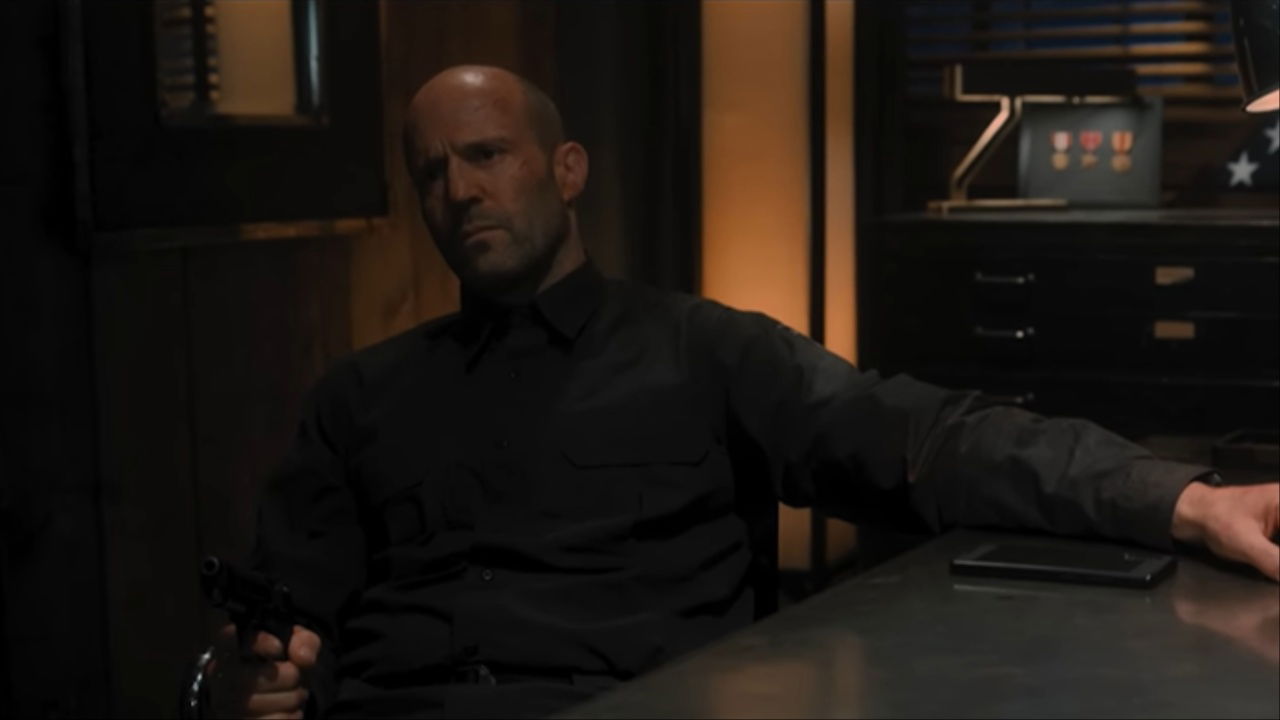
By blending historical fact with cinematic flair, the film leaves the viewer questioning the very nature of truth and the cost of ambition.
The Big Fake: The final trap
Toni's greatest tools, his fingers, suffered as he tried to recover his soul, but the narrative makes it clear that once a man becomes The Big Fake, there is no returning to the original canvas. Lodovichi succeeds in creating a film that is not just a crime thriller, but a meditation on the permanence of a legacy, even one built on lies.
ADVERTISEMENT
Article continues below this ad
The film reaches its tragic conclusion by depicting the violent end of Antonio Chichiarelli. Wait! Here is a catch! As per the closing scene of the movie, the account of his death is equally grim, but remains a mystery, or is it pretty clear? You need to watch it to see what brought the end of the artist, but not the art!
In keeping with Netflix’s ongoing fascination with criminal pieces, The Big Fake solidifies the streamer’s reputation for turning murky historical footnotes into visually arresting prestige dramas. It is undoubtedly a must-watch for fans of atmospheric thrillers who prefer their stories without easy moral resolutions.
ADVERTISEMENT
Article continues below this ad
What are your views on The Big Fake? Let us know in the comments below.
ADVERTISEMENT

Edited By: Itti Mahajan
ADVERTISEMENT
ADVERTISEMENT
