
'Kidnapped: Elizabeth Smart' Review: A Powerful Survivor's Voice and Elizabeth Smart's Unflinching Story
Netflix’s new documentary, Kidnapped: Elizabeth Smart, strips away the glitter of Hollywood to reveal the raw, unfiltered truth of a survival story that gripped the globe. In 2002, fourteen-year-old Elizabeth Smart was snatched at knifepoint from her Salt Lake City bedroom while her sister watched in silent terror. For nine grueling months, she was held captive in the Utah wilderness before a miracle rescue finally brought her home.
(Warning: There are spoilers ahead. Reader discretion is advised.)
Netflix has now released a definitive documentary that revisits this harrowing timeline through a lens of profound empathy, where the production relies on historical archives to bridge the gap between past headlines and present healing.
ADVERTISEMENT
Article continues below this ad
Fact, film, and memory: How Kidnapped: Elizabeth Smart's use of original clips helps it stay true to the story
Kidnapped: Elizabeth Smart opens with a visceral impact, weaving together real footage, interview bites, and visually striking scenes. The narrative is punctuated by poignant moments, such as Mary Katherine's childhood footage, where she recalls her childhood question.
"I wonder why somebody would want to kidnap her?," Mary Katherine questioned when she was just nine years old, as shown in the archival footage featured in the documentary. She continued that it was something she still deals with.
The documentary features a range of interviews, including Elizabeth Smart, Mary Katherine, Elizabeth Smart's father, Ed Smart, and uncles, Dave and Tom Smart, reporters, a police captain, Utah residents, and the man who spotted her in a Salt Lake underground dance club, Jared Parkinson.
CCTV footage, news bites, and interviews with suspects, such as Richard Ricci, the contractor, as well as the main culprits' interrogation footage, are all there in it. The documentary showcases the crime scene, including the forest site, and uses photographs and Polaroids to recreate the events. Extensive research was done on the locations, adding to the narrative's authenticity.
Unseen footage and details make the documentary a comprehensive account of Elizabeth Smart's kidnapping, which one may not have spotted in other documentaries. The use of real footage also serves as a reminder that the events depicted are real, making the story more relatable and disturbing.
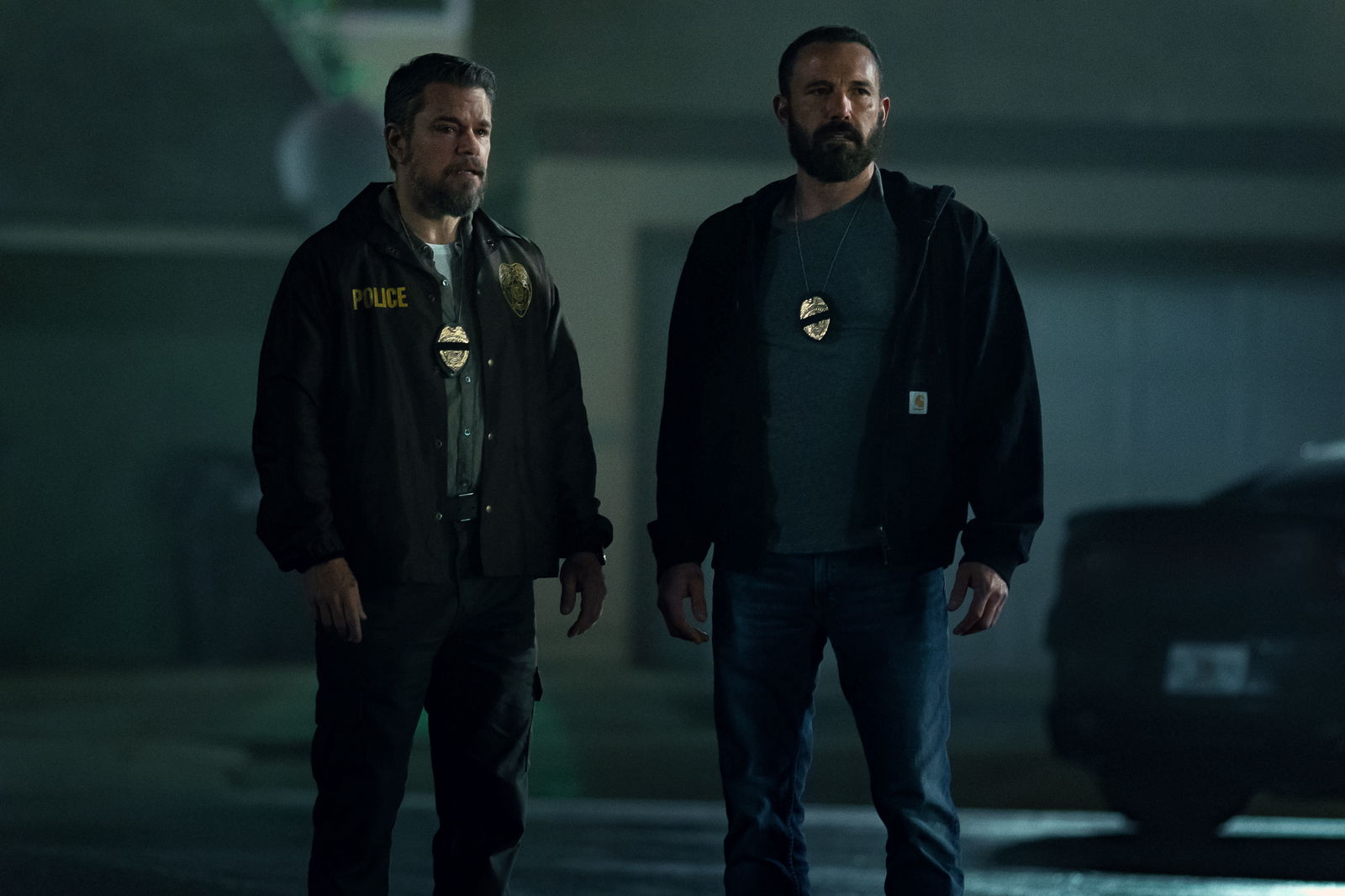
By stripping away the need for actors, the documentary allows the survivor to reclaim her own story.
Elizabeth Smart's narration and the absence of dramatization in Kidnapped: Elizabeth Smart
Elizabeth Smart's narration is a powerful aspect of the documentary, as she shares every detail of her kidnapping and abuse. Her words paint a vivid picture of the trauma she endured, making the viewers feel like they are experiencing it alongside her.
Notably, the documentary avoids dramatic reenactments or explicit scenes, instead focusing on Elizabeth Smart's words and the emotional impact of her story. The lack of explicit scenes also serves to emphasize Smart's strength and resilience, as she recounts her story with dignity and courage.
This stylistic choice ensures the focus remains on the psychological journey rather than the sensationalism of the crime. The audience is left with a deep respect for her ability to transform such a dark chapter into a mission of advocacy.
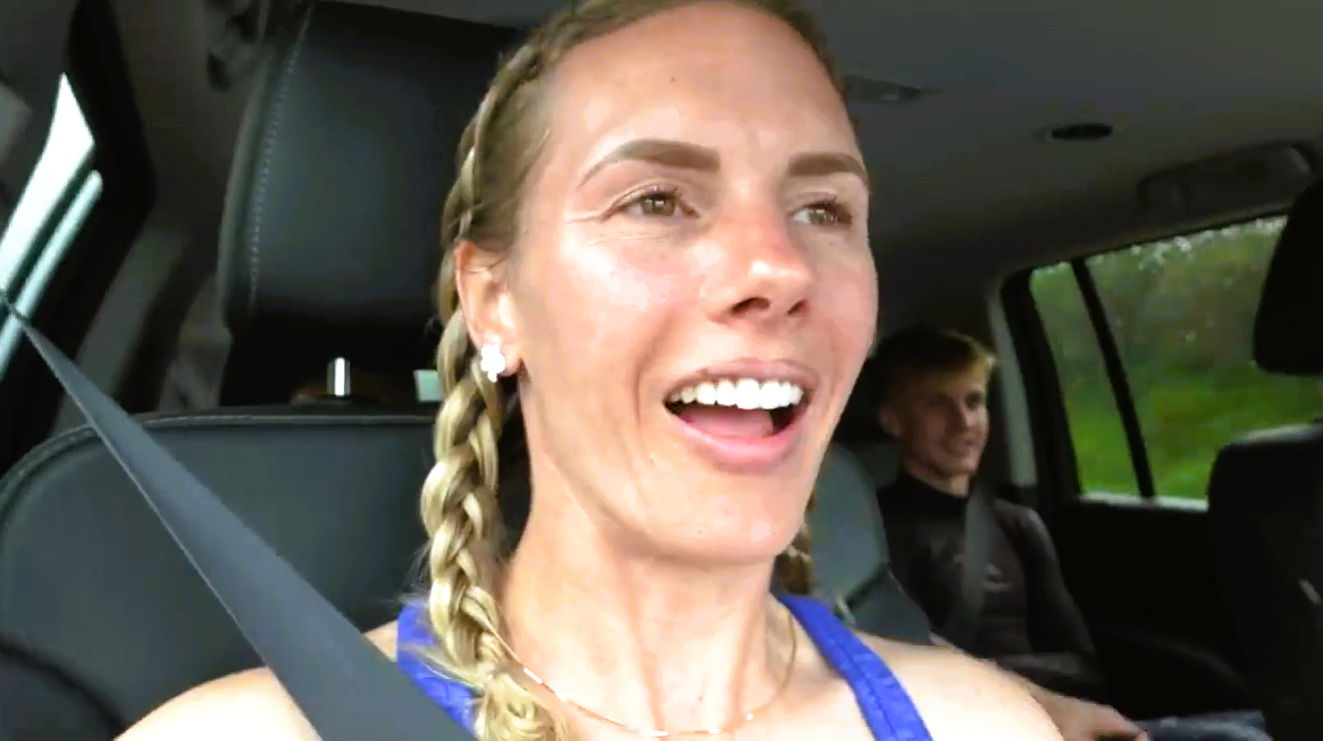
One specific recurring image serves as a chilling reminder of the night the world changed for the Smarts.
The symbolism of specific scenes in Kidnapped: Elizabeth Smart
The documentary Kidnapped: Elizabeth Smart features a recurring scene of Mary Katherine, Elizabeth's younger sister, standing in a door frame, facing the forest. This image is both haunting and powerful, symbolizing Katherine's isolation and her role as a witness to her sister's abduction.
The hazy, blurry background emphasizes Mary Katherine's focus on remembering every detail of that fateful day. By repeating this scene, the documentary highlights her importance as a witness and the traumatic impact of the event on the family.
ADVERTISEMENT
Article continues below this ad
The door frame serves as a frame within a frame, drawing attention to Mary Katherine's gaze and the forest beyond. This visual motif creates a sense of unease, mirroring the turmoil and uncertainty of the Smart family. It acts as a bridge between the safety of the home and the predatory darkness of the unknown. Ultimately, this artistic choice elevates the documentary from a simple retelling to a poignant study of shared family grief.
The documentary began with Mary Katherine in a blurry background, symbolizing her unclear past and the trauma she witnessed. It concluded with Elizabeth Smart standing against a clear backdrop, signifying her journey towards healing and clarity. The similar framing of the two scenes highlighted the contrast between their past and present, showcasing Elizabeth's path to recovery.
ADVERTISEMENT
Article continues below this ad
How impactful was the Netflix documentary Kidnapped: Elizabeth Smart for you? Let us know in the comments below.
ADVERTISEMENT

Edited By: Itti Mahajan
More from Netflix Junkie on Netflix News



ADVERTISEMENT