
What Led to Michael Jackson's Death? Inside the Cause of Demise, Age and The Untimely Departure
via Imago
Credits: IMAGO / teutopress
Michael Jackson’s legacy continues to captivate global audiences, especially with renewed interest sparked by the newly released biopic, Michael. Often hailed as the King of Pop, Jackson’s rise from child star in The Jackson 5 to a record-breaking solo icon reshaped modern music. Albums like 'Thriller' and 'Bad' cemented his status as a cultural phenomenon. Yet behind the spectacle of fame and innovation, his life ended in tragedy, leaving fans questioning the circumstances surrounding his sudden passing.
No matter the number of years passing, the questions of what exactly transpired to lead to the Pop King's death remain on every fan's tongue.
What Michael Jackson was doing before his death
ADVERTISEMENT
Article continues below this ad
In the months leading up to his death, Michael Jackson was preparing for his highly anticipated comeback concert series, This Is It. Scheduled at The O2 Arena in London, the shows were meant to mark his grand return to live performing. The residency quickly expanded due to overwhelming demand, signaling a massive global comeback.
Jackson immersed himself in intense rehearsals, working long hours to perfect choreography, vocals, and staging. Crew members described him as focused and creatively energized, but also physically worn down by the demanding schedule. The production itself was ambitious, requiring precision and endurance at a level few performers could sustain.
As rehearsals intensified, concerns about his health began to surface among those close to him. Reports suggested he was struggling with sleep and relying on medical assistance to rest. The pressure to deliver a flawless comeback only added to the strain he was already experiencing.
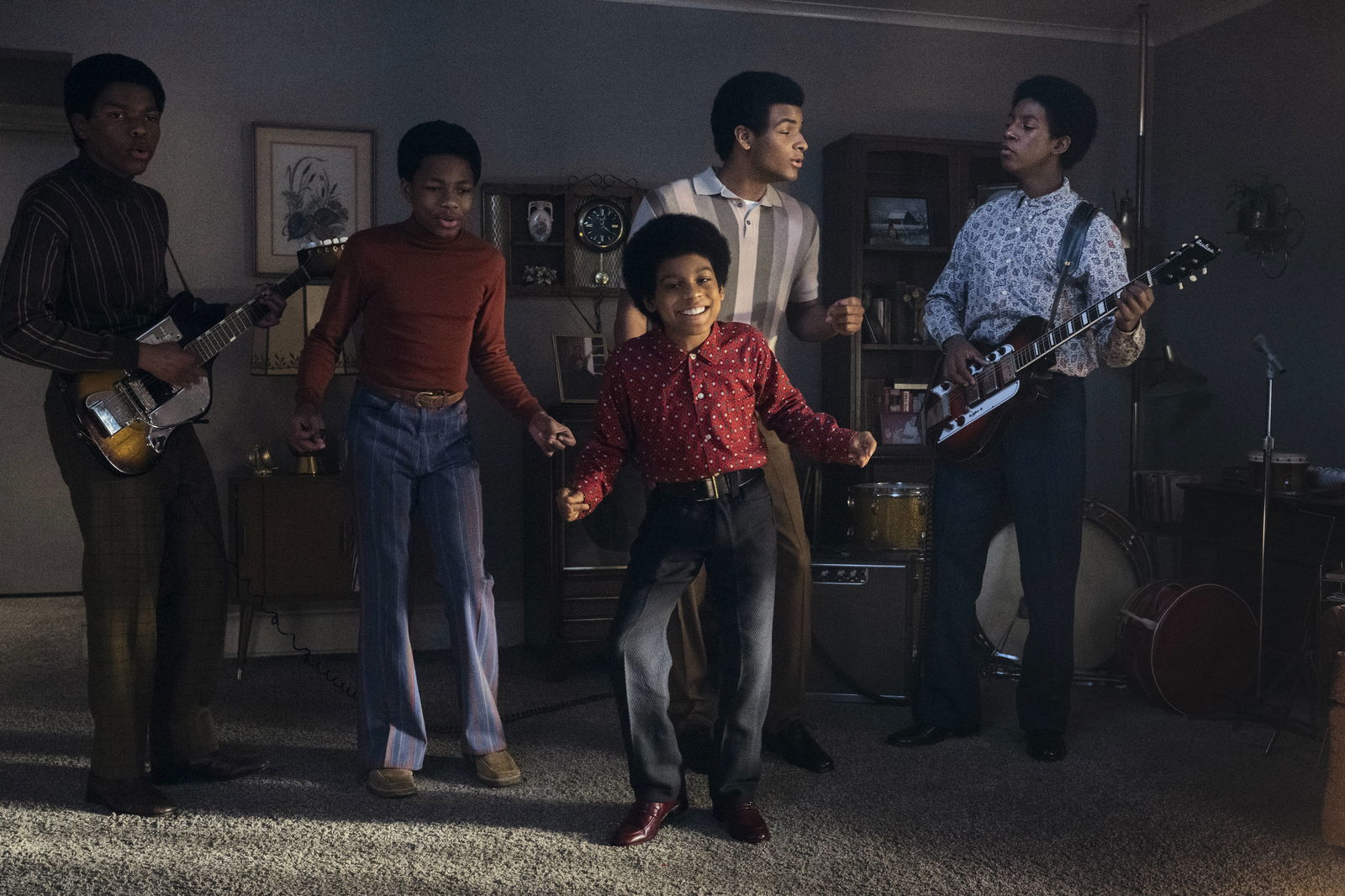
But what ultimately caused his sudden death shocked the world.
The cause of Michael Jackson’s death
Michael Jackson died on June 25, 2009, at the age of 50 in Los Angeles. The official cause of death was ruled as acute propofol and benzodiazepine intoxication. Propofol is a powerful anesthetic typically used in medical settings, not for home use, making its involvement particularly alarming.
ADVERTISEMENT
Article continues below this ad
His personal physician, Conrad Murray, was later found guilty of involuntary manslaughter for administering the drug in a non-clinical environment. The case highlighted serious concerns about medical oversight and the pressures surrounding Jackson’s comeback. Jackson’s death was ultimately ruled a homicide, underscoring the role of improper medical care.
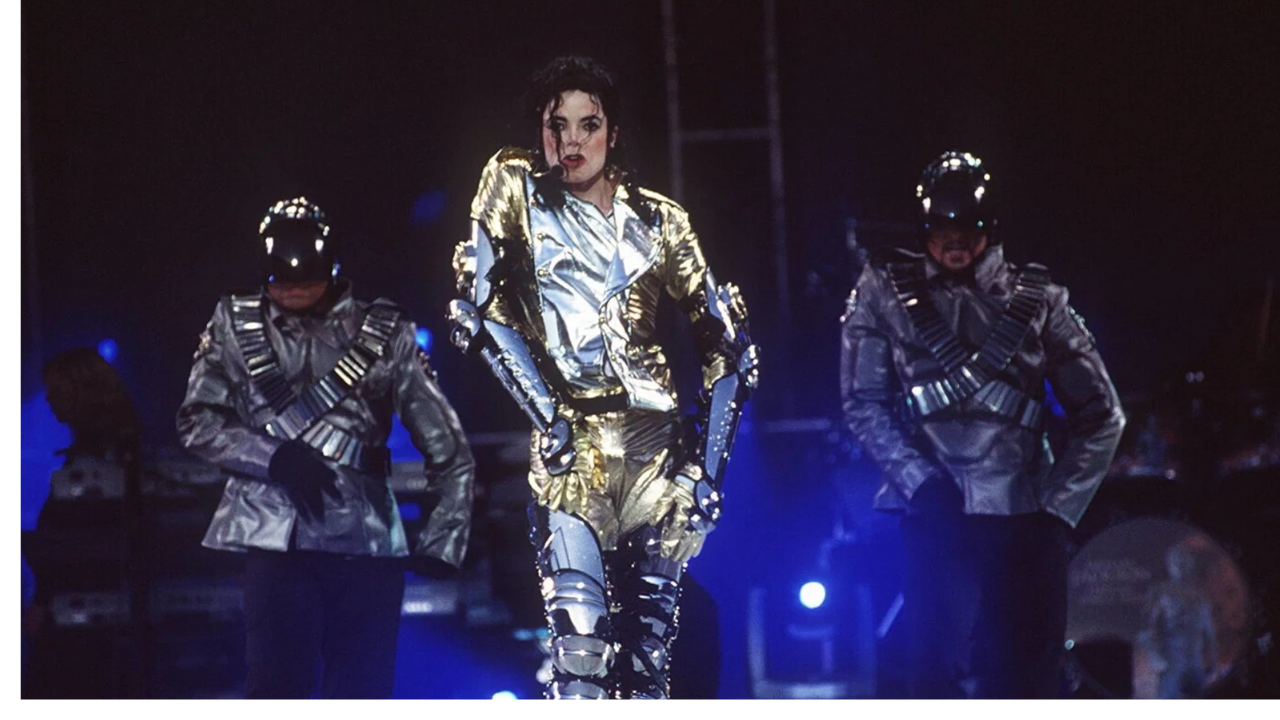
It marked a devastating end to the life of one of music’s most influential figures, while also sparking ongoing conversations about celebrity health, responsibility, and the cost of fame.
ADVERTISEMENT
Article continues below this ad
What do you think of Michael Jackson's untimely demise? Let us know in the comments.
ADVERTISEMENT

Edited By: Adiba Nizami
More from Netflix Junkie on Music News







ADVERTISEMENT