
Viral Punch The Monkey Becomes The Face of 'Yearning' and 'Sorrow' in Spotify's Latest Update
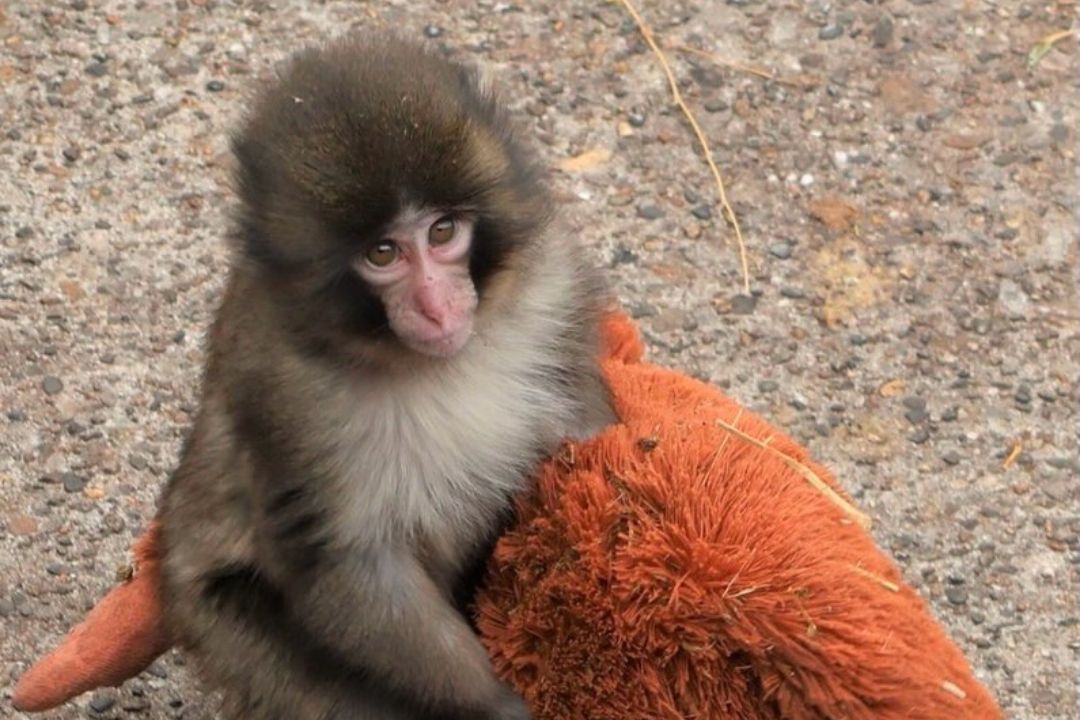
Punch the Monkey did not roar into internet fame, he whimpered his way there. In a digital landscape dominated by flashy trends and loud personalities, this tiny Japanese macaque stood out for a very different reason: quiet heartbreak. Videos of him clutching a worn plush toy while navigating life inside a zoo enclosure struck an unexpected chord across social media.
There was something painfully human about the way he held onto that stuffed companion. Abandoned, occasionally bullied by other monkeys, and often seen running alone with the toy pressed tightly to his chest, Punch became more than just another viral animal clip. He evolved into a symbol of longing, isolation, and fragile resilience.
But how did a lonely baby monkey transform from a fleeting viral moment into something much bigger?
ADVERTISEMENT
Article continues below this ad
From meme to Spotify moodboard: How a tiny macaque took over a major playlist
In a move that stunned online communities, Punch the Monkey recently appeared as the visual identity behind Spotify’s 'Yearning' playlist. The melancholic image of him hugging his plush toy aligned almost too perfectly with the playlist’s emotional core, aching ballads, slow-burn heartbreak anthems, and songs steeped in longing.
Without a massive press release or flashy campaign, the update quietly turned a viral meme into a curated emotional aesthetic. The image reframed Punch not as just an internet oddity, but as a cultural shorthand for sorrow. 'Yearning,' by definition, evokes deep desire tinged with sadness, and Punch’s now-iconic pose captures that sentiment in a single frame. The internet did not just watch him anymore; it felt him.
What does it say about our digital habits when a baby monkey’s loneliness becomes the perfect soundtrack companion?
Why the internet keeps choosing vulnerability over virality?
Punch’s rise is not just about one playlist update; it reflects a larger cultural shift. In recent years, audiences have gravitated toward softer, emotionally raw content. Whether it’s tearful confessionals, melancholic aesthetics, or “sad-core” music trends, vulnerability has become its own currency online.
The explosion of AI-edited revenge arc videos, emotional remixes like 'Baby Monkey Punch With Plush Toy,' and podcast discussions about Punch’s symbolism show how deeply audiences project onto him. He represents more than zoo footage; he mirrors the modern experience of feeling overwhelmed yet seeking comfort. In a hyper-connected world, his plush toy becomes a metaphor for the small things we cling to when everything feels too loud.
ADVERTISEMENT
Article continues below this ad
Punch the Monkey’s journey from enclosure to emotional emblem proves that virality is not always about shock value. Sometimes, it is about quiet pain resonating across millions of screens. His image now sits at the intersection of meme culture and music curation, a reminder that even in algorithm-driven spaces, raw emotion still wins.Spot
ADVERTISEMENT
Article continues below this ad
Will Punch remain the enduring face of digital melancholy, or is this just the beginning of how internet culture reshapes the soundtracks of our feelings? Let us know in the comments!
ADVERTISEMENT

Edited By: Aliza Siddiqui
ADVERTISEMENT
ADVERTISEMENT
