
The Surprising Reason Gen Z Is Obsessed With Nostalgia, According to a New Study
via Imago
Credits: Imago
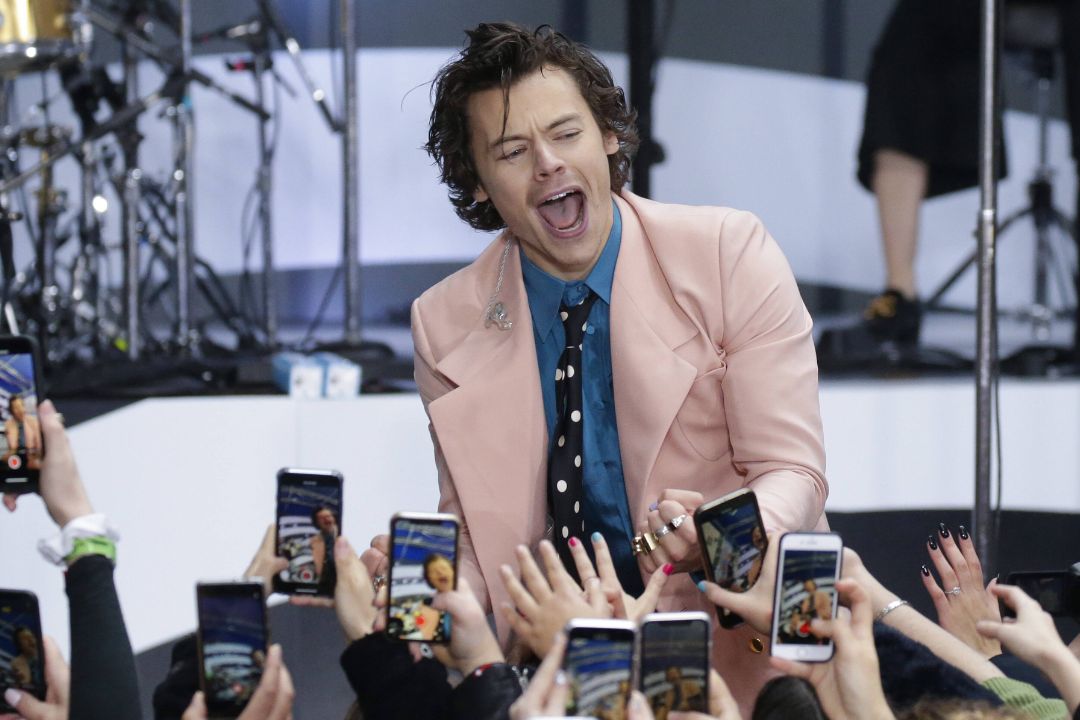
For years, nostalgia belonged to those who had actually lived through an era. A recent study, however, has turned that assumption on its head, revealing that Gen Z is now the generation most influenced by nostalgia. It explains why decades-old songs like 'Pretty Little Baby', 'Dreams', 'Running Up That Hill', and 'M****** on the Dancefloor' keep finding new life across TikTok, streaming charts, and playlists long after their original release.
That same wave has fueled Hollywood's endless appetite for sequels, reboots, and legacy franchises, but music arguably feels the effect first. A single viral scene in a movie or television series can resurrect a forgotten classic overnight. Now, a new global study is putting numbers behind that cultural shift.
The findings suggest this is not simply another social media trend. There may be a much deeper reason why Gen Z keeps looking backward to move forward.
Why Gen Z is the most nostalgic generation, according to Vevo's new research
Commissioned by music video platform Vevo, Then is Now: A Study on Modern Nostalgia surveyed 1,800 consumers across the United States, the United Kingdom, and Australia, evenly split between Gen X, Millennials, and Gen Z. The research found that nostalgia has an especially powerful grip on younger audiences, despite many of them never experiencing the eras they romanticize.
According to the study, 64 percent of Gen Z respondents said nostalgia strongly influences the content they watch, while 88 percent said nostalgic experiences make emotions feel deeper. Vevo describes this as "borrowed nostalgia," where digitally native audiences build emotional connections with decades they never lived through because streaming has erased traditional generational barriers. Instead of waiting for hand-me-down records or television reruns, Gen Z can instantly discover music from any decade and make it part of their own identity.
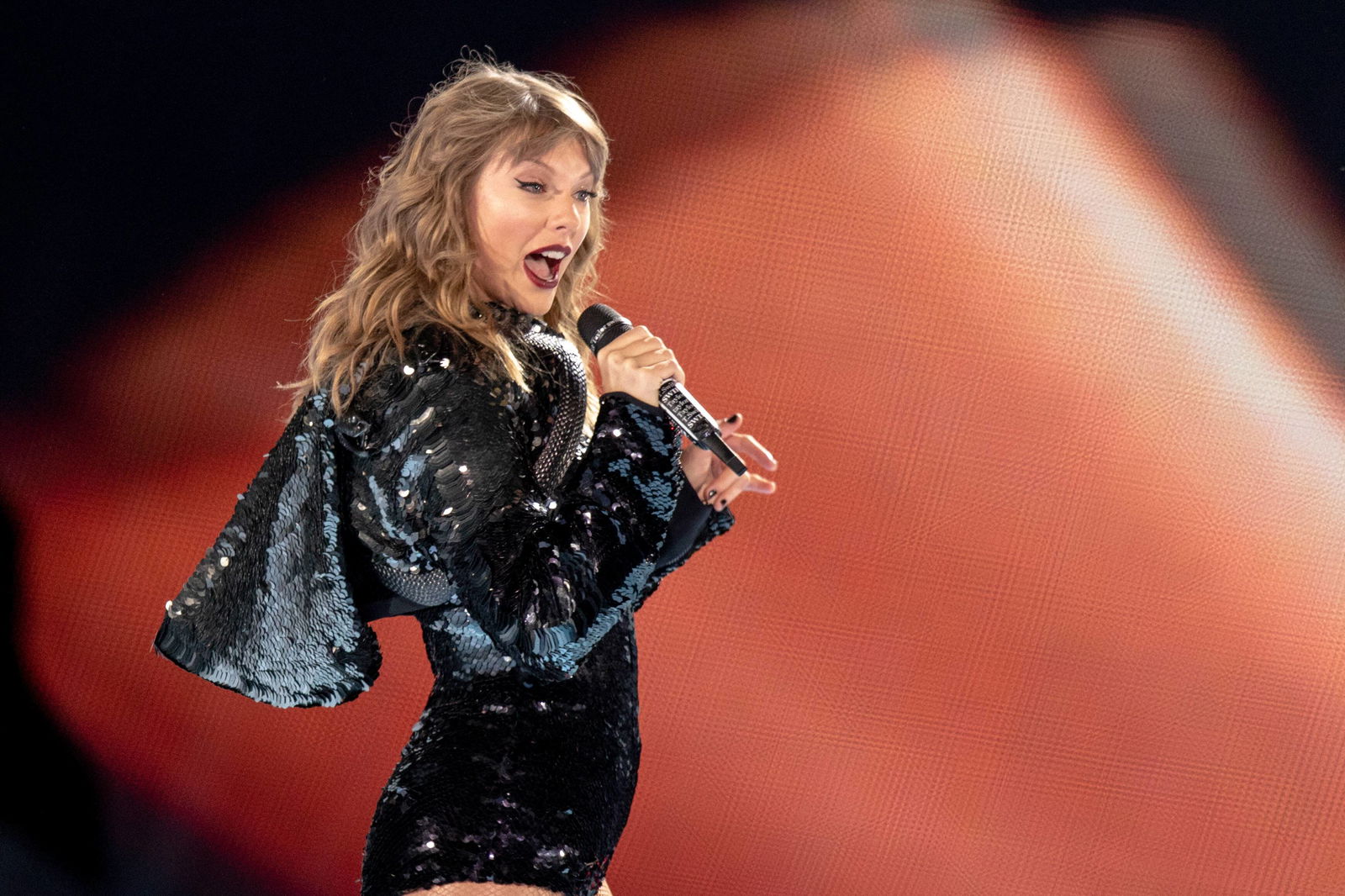
The report also notes that new films, series, documentaries, anniversaries, and live events have become gateways that encourage younger viewers to dive into older music catalogs rather than simply consume new releases.
The songs that prove nostalgia has become music's biggest hitmaker
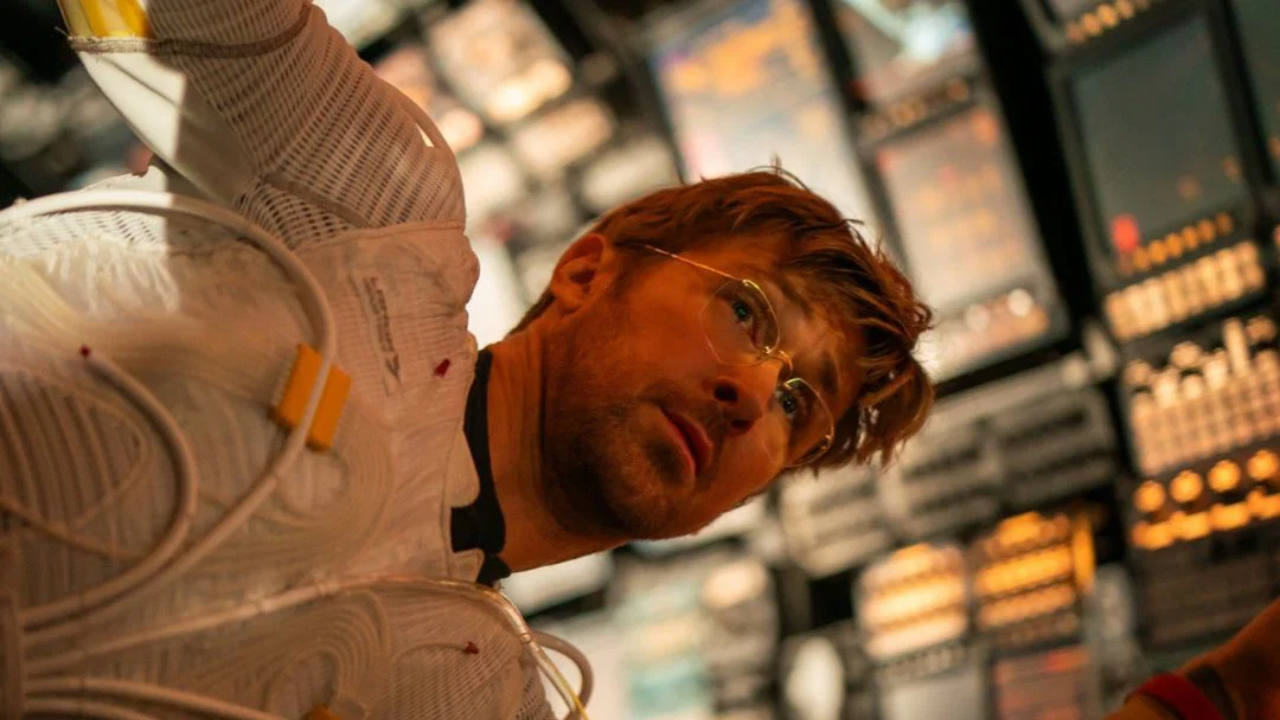
Vevo's research highlights several examples of nostalgia directly translating into massive spikes in music consumption. After Disney released The Beatles' Anthology' documentary in November 2025, views of the band's music on Vevo jumped 62 percent. Harry Styles' 'Sign of the Times' experienced an astonishing 547 percent increase after its prominent use in Amazon MGM Studios' Project Hail Mary.
Credits: Amazon MGM Studios
Credits: Amazon MGM Studios
Television has delivered similar results. Sade's 'No Ordinary Love' saw a 52 percent increase in views after appearing in FX's Love Story: John F. Kennedy and Carolyn Bessette. Even advertising can trigger the same effect, with Kelis' 2003 hit 'Milkshake' rising 66 percent after being featured in a Gap campaign. These numbers reinforce Vevo Executive Vice President of Global Sales Rob Christensen's belief that today's releases often become springboards for audiences to rediscover classical music rather than replace it.
Whether it is a forgotten ballad, a television soundtrack, or a viral TikTok trend, nostalgia has become one of music's strongest discovery engines. Gen Z is not just revisiting the past. It is giving it an entirely new audience.
What do you think is the biggest reason behind Gen Z's love for nostalgic music? Share your thoughts in the comments.

Edited By: Itti Mahajan
