
Taylor Swift Moves to Trademark Her Voice Amid AI Misuse Concerns Worldwide
via Imago
Credits: IMAGO / Agencia EFE
The 21st century has quickly become an era where artists are forced to take legal actions against the use of AI, which is quickly emerging as an existential threat to some of the most gifted creative minds in the world. Actors, writers, directors, and musicians are now resorting to legal aid, claiming that before someone copies their voice, face, or style, they must give their permission and receive just compensation. Some caution that voice cloning and deepfakes can deceive viewers and undermine confidence in the artists.
Among the many artists who have taken the legal route, Taylor Swift’s name is the most recent.
Taylor Swift’s move to protect her digital identity from AI
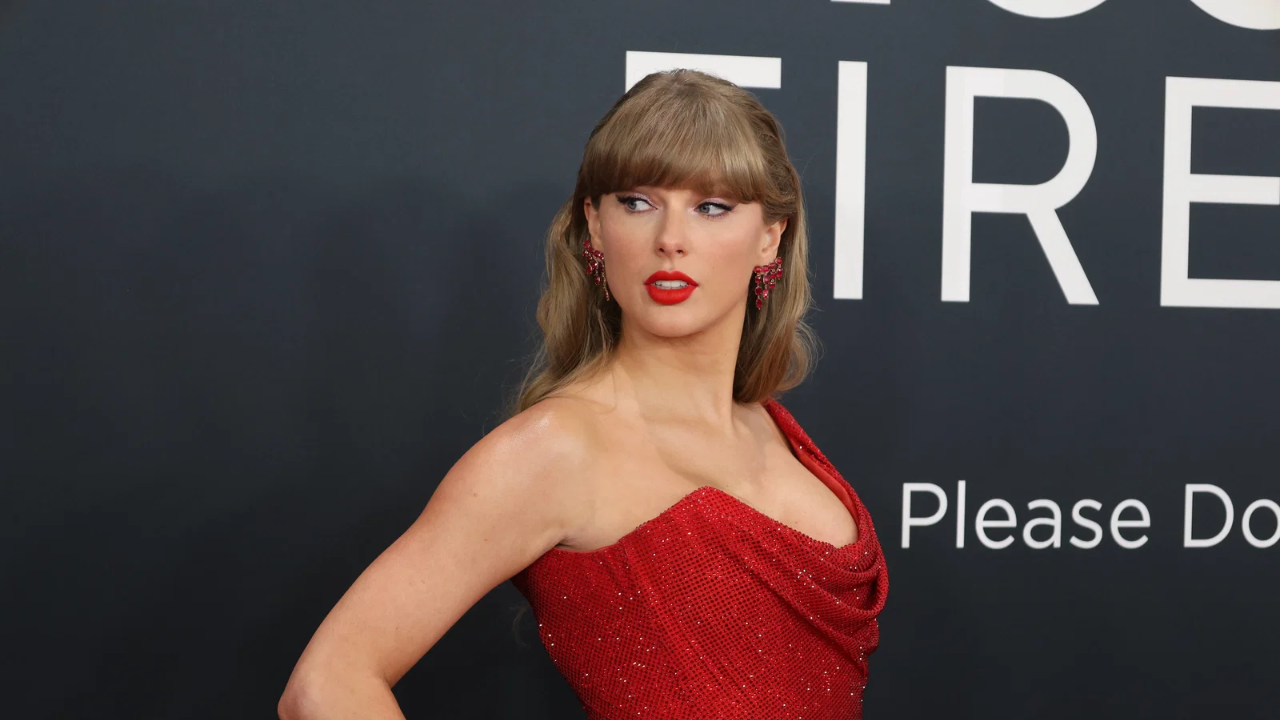
In an apparent attempt to guard herself and her brand against AI abuse, Taylor Swift has submitted applications to trademark her voice and image. According to intellectual-property attorney Josh Gerben of Gerben IP, Swift's company, TAS Rights Management, submitted three trademark applications on April 24. The phrases that were submitted for the trademark include "Hey, it's Taylor Swift" and "Hey, it's Taylor" in the singer's own iconic voice.
The third trademark is a visual trademark that includes a picture of Taylor Swift in her multicolored iridescent bodysuit, notably from the Eras tour, paired with silver boots and a pink guitar with a black strap. Details such as the purple lights in the background, the multicolored microphone she stands in front of, and the pink stage below her are also parts of the trademark filing.
Josh Gerben has also pointed out that they show how entertainers and artists are becoming increasingly concerned about the possibility of AI-led efforts to mimic someone's voice or appearance without that person's consent. This manner of trademarking is, in fact, new in its histroy, which has been known to not exactly defend the "likeness" of a person.

As already said, Taylor Swift is not the first one to take to the legal route; before her, it was Matthew McConaughey who made headlines with his trademark filing.
Matthew McConaughey got his most iconic phrase trademarked
Matthew McConaughey has also gone down the same road as Taylor Swift and filed for a trademark earlier this year. In addition to other unapproved uses of his image and voice in January, Matthew McConaughey, who has warned actors and other artists against AI several times in the past, copyrighted his well-known catchphrase from the 1993 film Dazed and Confused, "All right, all right, all right."
In the past, trademarks were not intended to safeguard a person's voice, identity, or general likeness. However, McConaughey's legal team believes that in order to combat AI-generated content that appropriates someone's likeness, such trademark protections would offer additional legal remedies beyond conventional right-of-publicity claims. With Taylor Swift now following in McConaughey’s footsteps, there will be more celebrities resorting to the same method to fight the AI plague.
What do you think of Taylor Swift’s move to file for a trademark amid the threat of AI misuse? Share your thoughts in the comments.

Edited By: Adiba Nizami
