
Musicians For and Against AI: The Debate Shaping the Music Industry in 2025
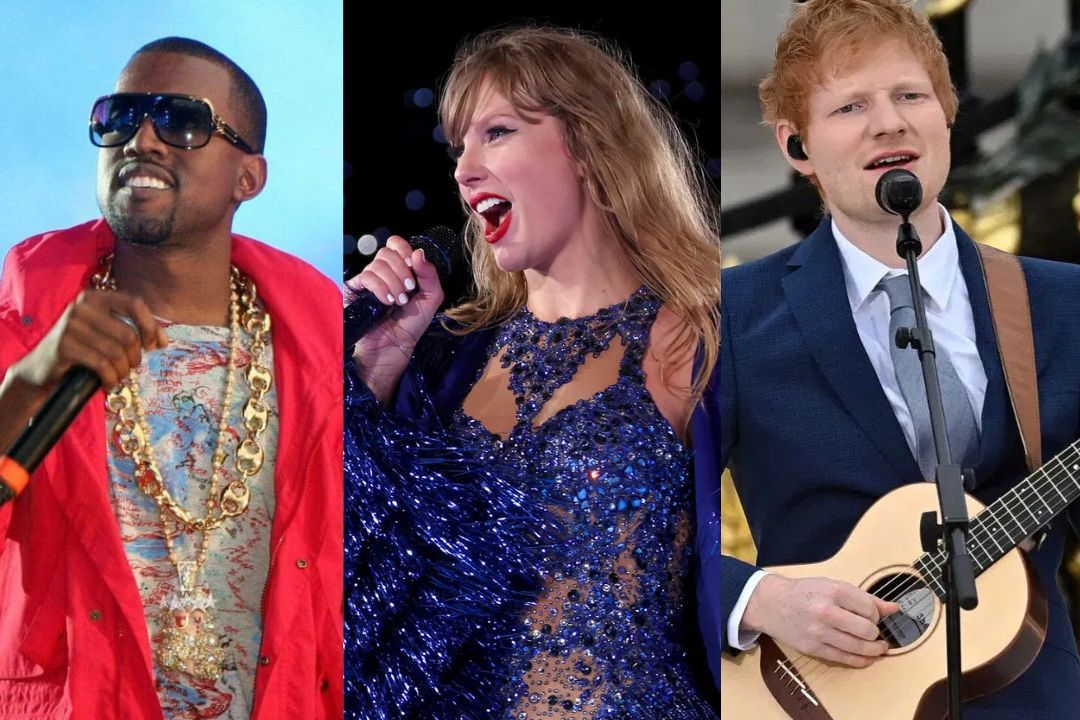
Concert halls vibrate, headphones throb, and studio lights flicker with creative tension. Musicians once celebrated for raw talent now glance nervously at algorithms promising perfection. AI hums quietly, offering melodies without mistakes but threatening the human chaos that makes music pulse with soul. In 2025, the notes are no longer just theirs; some carry a silicon signature, hinting at a clash brewing behind the chords.
While guitars and vocals still reign, whispers of AI-crafted tunes spark a battle between those welcoming digital help and those defending authentic, messy creativity.
Artists and groups opposing AI in music
ADVERTISEMENT
Article continues below this ad
Musicians once celebrated for chaos, emotion, and late-night inspiration now find themselves squaring off against silicon imitators. Billie Eilish, Nicki Minaj, Stevie Wonder, and even the estates of Frank Sinatra and Bob Marley have raised alarms over AI-generated tracks that mimic their voices without permission. Nick Cave called one AI song in his style a "grotesque mockery of what it is to be human," summing up the dread many feel about tech replacing soul.
The battle is not only personal; it is corporate. Universal Music Group, Sony, Warner Music Group, and the RIAA have unleashed lawsuits against AI startups like Suno and Udio, claiming copyright theft and unauthorized training on music catalogs. Across the Atlantic, over 1,000 British artists protested UK copyright changes by releasing a silent album, 'Is This What We Want?', proving that even quiet rebellion can roar when human creativity feels endangered.
The opposition boils down to identity and value. AI can replicate a vocal timbre, mimic a songwriter’s phrasing, and even create songs that chip away at royalties. Ed Sheeran worried about job displacement, while Massive Attack pulled music from Spotify over its CEO’s military AI investments. Advocacy groups like the Artist Rights Alliance and Human Artistry Campaign emphasize that creativity cannot be outsourced to code without diluting art itself. Humanity refuses to be auto-tuned out.

While some fear AI as a soulless thief, others see it as a time-bending collaborator, resurrecting legends and turning forgotten demos into futuristic hits.
Musicians embracing AI: Leading examples and innovations
AI is no longer just a studio gadget; it has become a time machine. The Beatles’ 'Now And Then' emerged from dusty demo tapes, with John Lennon’s vocals restored using Peter Jackson’s tech wizardry. Randy Travis, sidelined by a stroke, found his voice reborn through machine learning. What once required miraculous luck now just needs algorithms. AI is rewriting history, letting artists finish songs they thought were lost to time, and fans can barely keep up.
Holly Herndon’s AI Spawn harmonizes with her voice, Grimes shares royalties with fans who remix her AI vocals, and YACHT’s machine-fed catalog generates fresh ideas. Brian Eno’s generative app plays music infinitely, while Taryn Southern co-composed an entire album with IBM’s Watson Beat. Machines no longer just produce; they converse, improvise, and inspire, blurring authorship lines. Some musicians are discovering that AI is less a tool and more a cheeky creative roommate.
David Guetta tweaks live sets with crowd-analyzing algorithms, Timbaland creates beats in the style of legends, and LANDR automates mixing with eerie precision. Even fan experiments, like the Drake/The Weeknd 'Heart on My Sleeve' deepfake, highlight AI’s disruptive potential. From enhancing production to challenging copyright norms, AI is no longer backstage; it is center stage, forcing the industry to ask whether creativity is evolving or simply being coded.

While AI resurrects legends and sparks chaotic creativity, it also hands aspiring artists a backstage pass, turning laptops into studios and transforming bedroom producers into chart contenders.
The core arguments: For and against AI in music
Proponents insist AI is the ultimate backstage pass, giving anyone with a laptop or smartphone the keys to a studio that once required a fortune. It generates melodies humans might never imagine and automates tedious tasks like mixing and mastering. Aspiring artists can now focus on the soul of their music rather than technical drudgery. In this brave new world, AI is not replacing musicians; it is a high-tech creative sidekick, democratizing music and challenging who gets to call themselves a composer.
Skeptics, of course, clutch their vinyl and sigh. They argue that algorithmic music may hit the right notes but misses the heartbeat. AI-generated tracks lack the scars, lived experience, and emotional nuance that make human artistry resonate. Legal headaches pile up as copyright questions lurk: who truly owns a song created by a machine trained on countless human works? Job displacement fears loom, as session musicians and composers worry their craft could be outpaced by a clever algorithm.
The future, it seems, is not a duel but a duet. Ethical guardrails and legal clarity are key to ensuring AI acts as a creative assistant rather than a replacement. When musicians leverage AI for inspiration and technical support, human ingenuity remains front and center. Without limits, however, machine-made music risks becoming homogenized noise. Balancing technical efficiency with human artistry is crucial, preserving the emotional resonance and originality that remind audiences why music matters beyond its sonic perfection.

While musicians wrestle with creativity and emotion, the legal stage is heating up, as lawmakers and labels prepare to choreograph AI’s every note with contracts, royalties, and restrictions.
Future outlook: Regulation, coexistence, and innovation
The future will demand rules for our silicon songsmiths. Expect legislation like the No-Fakes Acts to guard voices from rogue deepfakes and personality theft. Major labels are already negotiating AI licensing deals, insisting on transparency and proper royalties. In 2025, music will not only be about notes but also contracts, permissions, and audit trails. AI may hum the tune, but the humans want checks, balances, and, of course, payment for every digital ghost note.
The tired debate of AI versus humans is evolving into a nuanced duet. Artists now let AI handle tedious chores, mixing, mastering, and drafting compositions, while focusing on emotion, storytelling, and performance. Functional or background tracks may emerge fully AI-assisted, yet the heart of music remains human. Kanye West, now Ye, was speculated to have used AI for 'Vultures 2,' showing that symbiosis between machine and musician is no longer theoretical, but a playground for both experimentation and controversy.
ADVERTISEMENT
Article continues below this ad
AI is poised to compose what humans cannot even imagine: new genres, impossible harmonics, and sonic landscapes that defy biology. Personalized streaming, interactive live shows, and automated copyright tracking are just the beginning. Even Taylor Swift’s new music hints at a pattern of AI, blurring the line between human genius and machine creativity. If regulation holds, music could become richer and more diverse, but without human oversight, artistry risks flattening under the perfection of algorithms.
ADVERTISEMENT
Article continues below this ad
What are your thoughts on AI reshaping music, from resurrecting legends to creating futuristic hits? Let us know in the comments below.
ADVERTISEMENT

Edited By: Aliza Siddiqui
ADVERTISEMENT
ADVERTISEMENT
