
Michael Jackson Over the Years: Inside the King of Pop's Dramatic Physical Transformation
via Imago
Credits: IMAGO / LFI
Few figures in pop history have been scrutinized for their looks as relentlessly as Michael Jackson. From his early days as a child star in the Jackson 5 to his final years as the reclusive King of Pop, his face, skin, and body became the subject of endless speculation, gossip, and medical‑style analysis. What began as youthful charm gradually morphed into one of the most dramatic and debated physical transformations in entertainment history.
A process that intertwined cosmetic surgery, serious health conditions, and the intense pressures of global fame, Michael Jackson has left a mark that survives even himself.
The Jackson 5 star with a classic ’60s face
ADVERTISEMENT
Article continues below this ad
In the late 1960s and early ’70s, Michael Jackson cut a familiar image: a boyish face framed by a thick Afro, with a warm, almost cherubic smile and a broad, naturally African‑American nasal structure. Photographs from the Jackson 5 era show a young Michael with a fuller face, rounded cheeks, and a wider nose, closer in appearance to his siblings.
At that time, any physical “change” was simply the ordinary growth of puberty, not alteration: his voice deepened, his frame thinned, and his stage presence sharpened, but his baseline features remained recognizably intact. Tabloids were not yet fixated on his looks, and the world knew him primarily as a singer and dancer, not a beauty-pageant-like spectacle.
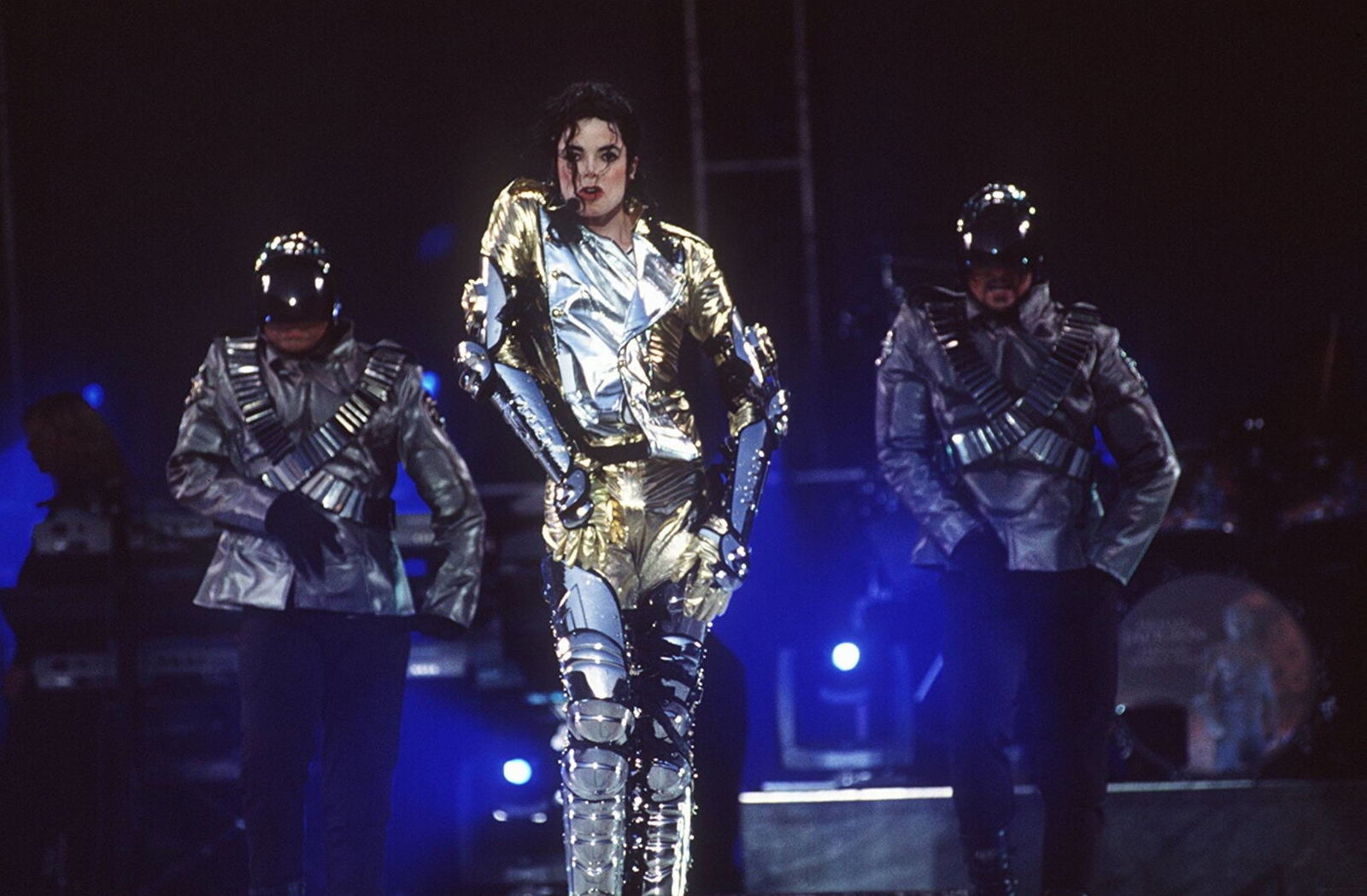
The first real point of public debate would come a few years later, centered on one feature alone: his nose.
The “Thriller” era and the nose that changed everything
Michael Jackson's 1982–1983 'Thriller' era is widely regarded as the moment when the visual narrative about the yet to be King of Pop fully crystallized. His music, wardrobe, and choreography were groundbreaking, but his face, too, began to attract comment. By the early 1980s, Michael’s nose had become visibly narrower, the bridge higher and more defined.
In his 1988 autobiography Moonwalk, he acknowledged having two rhinoplasty operations, explaining that he had initially been self‑conscious about the shape of his nose and wanted it to be straighter. Medical experts later described this as the first chapter in a longer aesthetic arc: a slim, sharply contoured nose began to contrast with the rest of his youthful features.
Yet the nose and chin were just the beginning; the story of his face took a far more complex turn when his skin tone started to change.
Vitiligo, skin lightening, and the public “whitening” rumor
Through the 1980s and into the early 1990s, audiences saw Michael Jackson’s skin grow steadily paler, catching global attention and generating accusations of “skin bleaching” and racial self‑denial. In a 1993 interview with Oprah Winfrey, he pushed back, explaining that his lightening came from vitiligo, a chronic condition that causes patches of skin to lose pigment. His 2009 autopsy report later confirmed that he had vitiligo, with white patches documented on his chest, abdomen, face, and arms.
To maintain a uniform look, he used makeup and possibly light‑suppressing treatments, which, when viewed in the unforgiving glare of paparazzi flashes, sometimes made his complexion appear almost translucent. This combination of medical condition and cosmetic strategy created a look that confused, disturbed, or fascinated viewers, depending on their perspective.
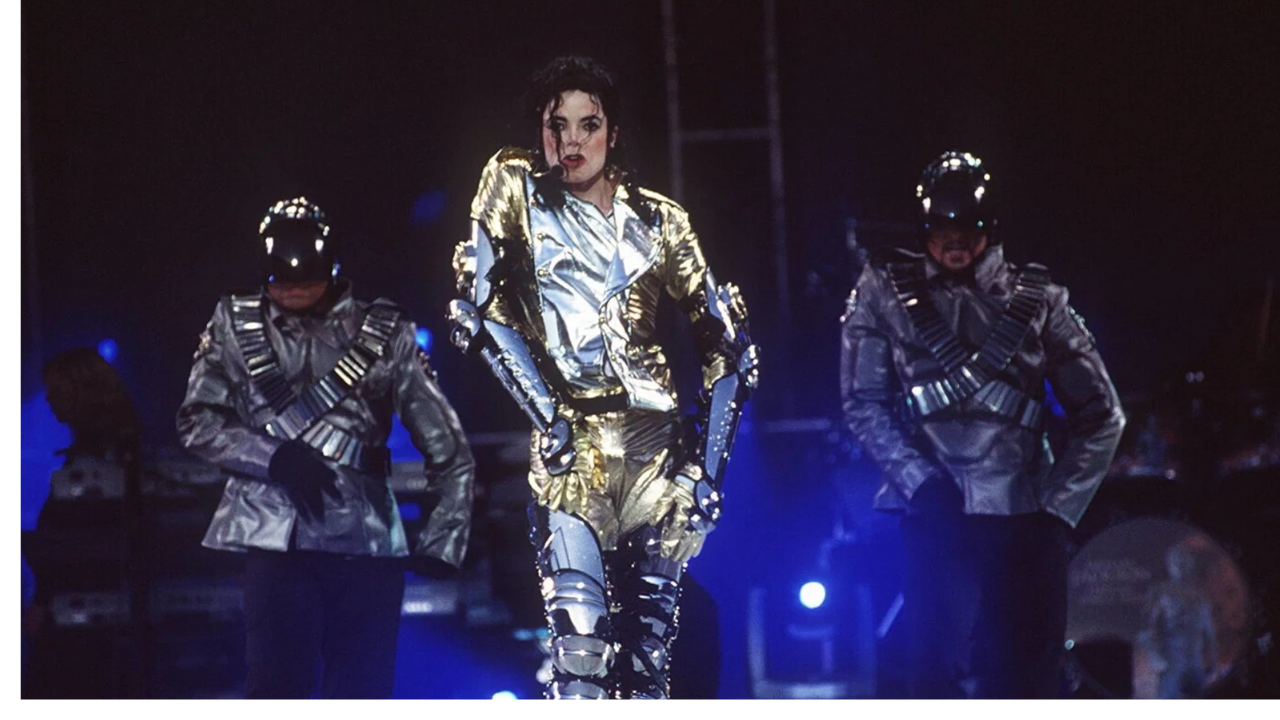
That medical and cosmetic layering, however, was layered on top of more surgical work—some acknowledged, some not.
The radical late‑career face: Surgery and speculation
Beyond the three procedures Michael Jackson openly discussed, credible later reports, including his autopsy, revealed additional scars and tattoos consistent with further cosmetic intervention. The autopsy showed scars behind his nostrils and ears, and documented tattoos used to darken eyebrows and the lip line, suggesting a long‑term effort to “correct” and frame his features.
Journalistic accounts and dermatological‑style analyses based on visible changes over time argue that he likely had multiple rhinoplasties, brow work, and possible cheek‑bone or lip modifications, even though he often said he had only a handful of operations. By the late 1990s and 2000s, his face appeared more angular, with higher eyebrows, fuller lips, and an elongated, almost mask‑like quality that became his final public image.
Because no official, complete list of his surgeries exists, some of these claims remain speculative, no matter how convincing the visible evidence may look.
The gaunt, masked final years
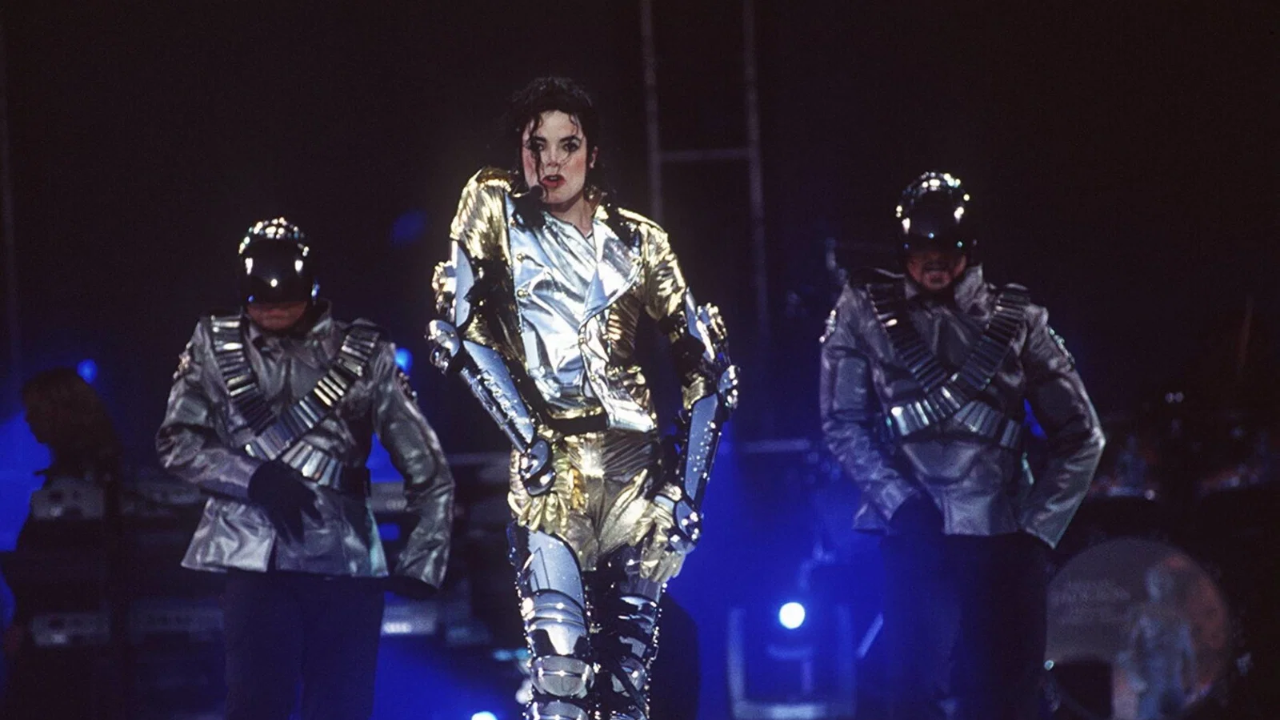
In Michael Jackson’s last public appearances, the transformation felt less about reshaping and more about the effect of age, illness, weight changes, and the cumulative toll of decades under the spotlight and rumor. He grew thinner, and his face narrowed, emphasizing cheekbones and jawline to a skeletal degree in some photos, which critics often read as a consequence of stress, withdrawal, and possible health struggles.
ADVERTISEMENT
Article continues below this ad
He increasingly appeared in sunglasses, masks, or veils, not just as a stylistic choice but as a way to protect both privacy and manage his image under a harsh public gaze, as well as to protect his increasingly sensitive, vitiligo-ridden skin. Those glimpses behind the glasses and the oxygen mask in his final years only deepened the mythos: the face of the King of Pop had become a cultural Rorschach, absorbing as much projection as fact.
ADVERTISEMENT
Article continues below this ad
How much of the face we remember was illness, how much was surgery? Let us know your thoughts in the comments.
ADVERTISEMENT

Edited By: Adiba Nizami
More from Netflix Junkie on Music News



ADVERTISEMENT