
Horror Claws Its Way Back at the Oscars as 'Sinners' and 'Frankenstein' Redefine Chills With Awards-Worthy Flair
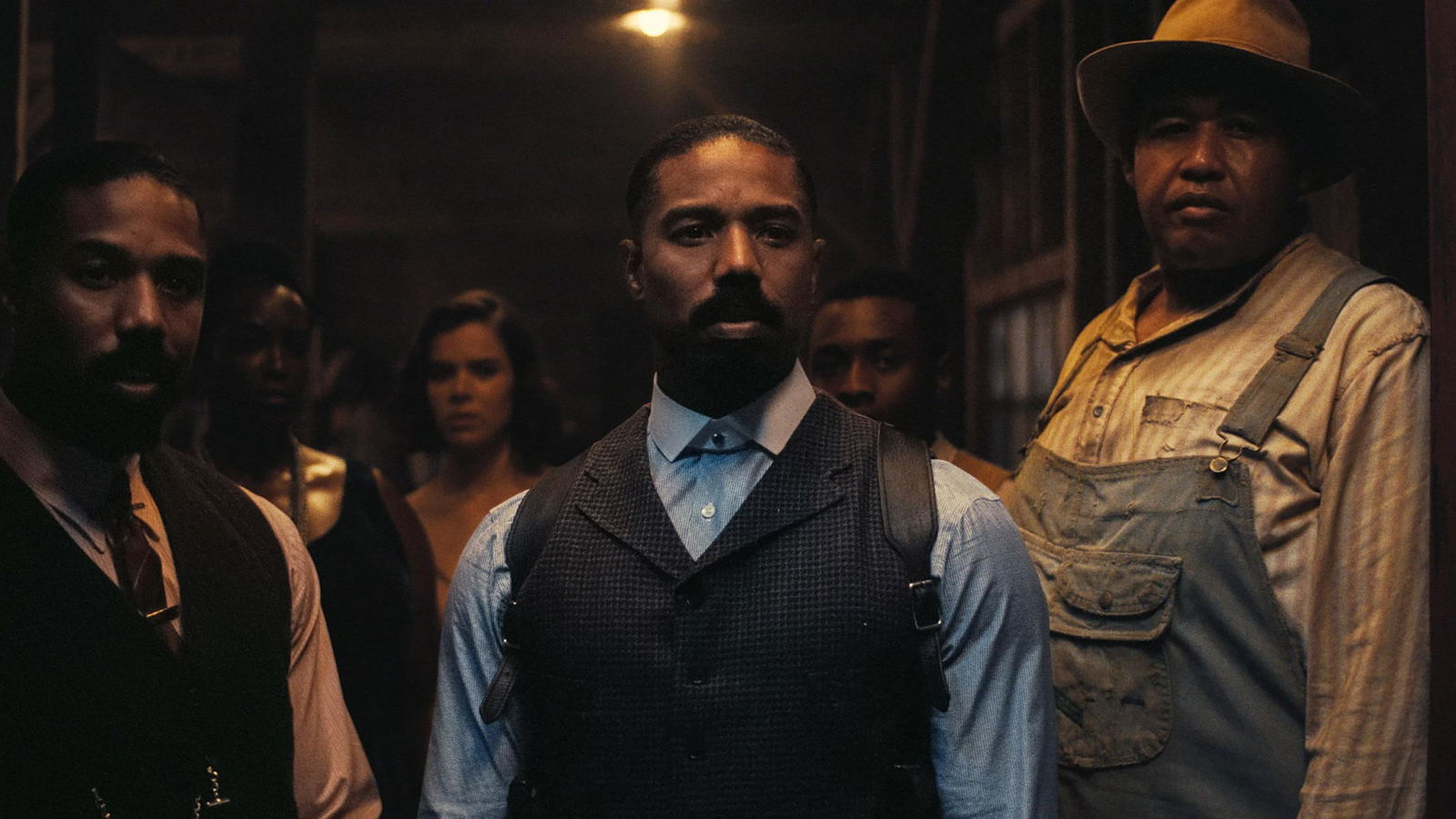
The Oscars 2026 is a gladiatorial arena of prestige, where one marvel after another fights for attention, yet a singular tone refuses to be ignored. As audiences navigate the emotional rollercoaster from the Shakespearean tragedy of Hamnet to the tender sentimentality of Sentimental Value, subtle patterns emerge.
While competitors dazzle with drama and historical gravitas, Sinners and Frankenstein revive horror as a force the Academy cannot overlook.
Oscars 2026 witnesses horror’s bold comeback
ADVERTISEMENT
Article continues below this ad
Oscars 2026 has performed an unexpected coup for horror, led by Sinners and Frankenstein. Ryan Coogler’s Sinners boasts sixteen nominations, outpacing the likes of Titanic and La La Land, while Guillermo del Toro’s Frankenstein earned nine nods, shattering the long-standing notion that the Academy spares horror from the spotlight.
Beyond mere recognition, both films elevate storytelling to new heights. Sinners blends the vampire mythos with an unflinching exploration of racial tensions in 1930s Mississippi, while Frankenstein offers existential meditation through detailed period world-building. Each narrative demonstrates that horror can marry social relevance with prestige, moving far beyond jump scares or genre clichés.
Their authority is amplified by auteur and studio clout. Ryan Coogler’s Sinners with Warner Bros. and Guillermo del Toro’s Frankenstein with Netflix show that horror achieves legitimacy when guided by visionary directors and major studios. Prestige season, long cautious of genre, has finally acknowledged the artistic power behind fear.
The impact of the films extends to awards categories traditionally reserved for prestige dramas, as well. Michael B. Jordan earned a Best Actor nomination for his dual performance in Sinners. At the same time, Jacob Elordi’s turn as The Creature in Frankenstein and Wunmi Mosaku’s supporting role in Sinners signal that acting in horror is no longer overlooked. Both films also received screenplay nods, proving the literary weight of the genre.
In addition, technical mastery provides a final seal of legitimacy. Sinners was shot on IMAX 70mm, a format usually reserved for historical epics, and both films swept categories like Production Design, Makeup, and Sound. Coupled with commercial success, Sinners grossed over $369 million, and Frankenstein became one of Netflix’s largest theatrical releases, solidifying their stance in both critics’ hearts and the Academy’s ballot.

The acclaim for Sinners and Frankenstein this Oscars season exposes just how far the Academy has lurched from its old fear of horror.
How horror was ignored by the Academy Awards
Horror was once the Academy’s naughty child, a cinematic mischief-maker to be tolerated, not embraced. Films brimming with grotesque imagery, monstrous allegories, and juvenile thrills were sidelined in favor of historical epics, biographical dramas, and sentimental stories, leaving horror to play in corners of the awards stage. While literary adaptations thrived, the horror genre was sidelined.
Historically, the Academy confined horror to the 'technical only' trap. Films such as The Fly, An American Werewolf in London, Alien, and The Exorcist were recognized for Best Makeup, Visual Effects, or Sound, yet storytelling, direction, and acting were largely ignored. Horror was viewed as a spectacle rather than serious artistry.
ADVERTISEMENT
Article continues below this ad
Occasionally, elevated or psychological horror broke through the prestige filter, but these instances were rare. Only seven horror films received Best Picture nominations in nearly a century: The Exorcist, Jaws, The Silence of the Lambs, The Sixth Sense, Black Swan, Get Out, and The Substance. Only The Silence of the Lambs secured a win, often rebranded as a procedural thriller rather than a horror.
Performances within horror were similarly slighted. Toni Collette in Hereditary, Jack Nicholson in The Shining, and Lupita Nyong’o in Us went unrecognized, while Natalie Portman and Kathy Bates won for roles recast in the voters’ minds as dramatic intensity rather than frightening, reinforcing horror’s awkward status at the Academy, which has seen quite an improvement with the advent of Sinners and Frankenstein.
ADVERTISEMENT
Article continues below this ad
Are you thrilled by the horror genre's revival at the Oscars this year? Let us know in the comments!
ADVERTISEMENT

Edited By: Adiba Nizami
ADVERTISEMENT
ADVERTISEMENT
