
Yellowstone’ Spinoff ‘Marshals’ Kicks Off With Shocking Death That Changes Kayce Dutton’s Story Forever
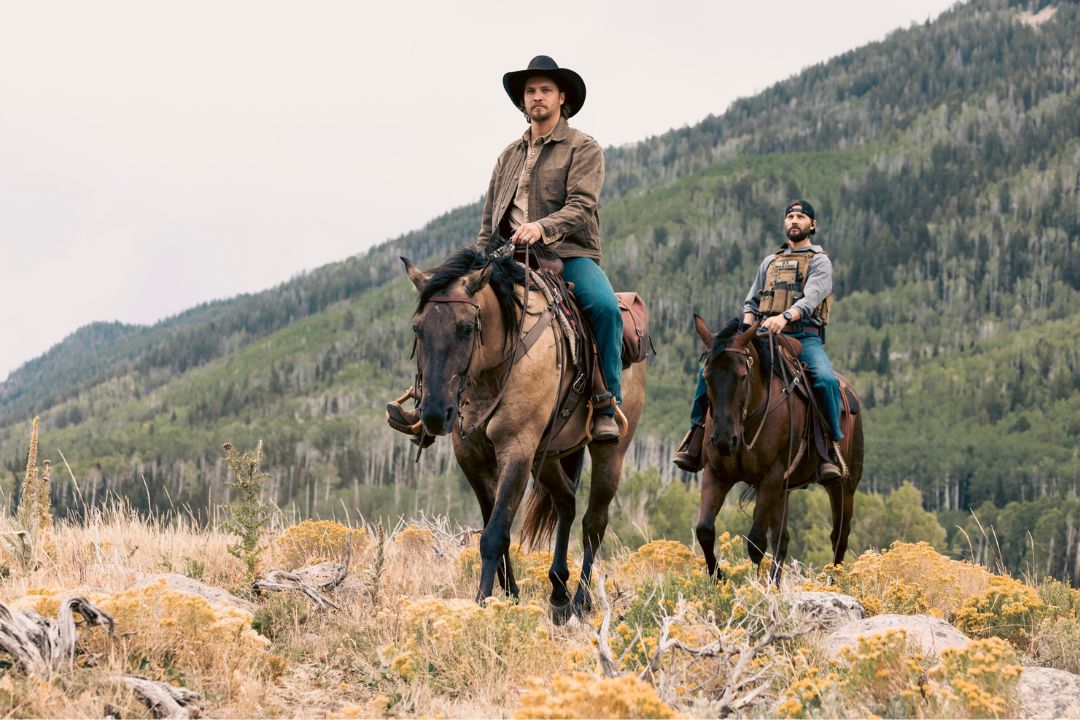
When CBS announced a new chapter in the Yellowstone-iverse with Marshals, expectations were sky-high. Fans had spent years investing in the tangled loyalties, moral gray zones, and high-stakes family drama that defined the Dutton saga. Now, with the flagship series wrapped, all eyes turned to its first true follow-up, a procedural centered on Kayce Dutton, the quiet cowboy many saw as the franchise’s moral compass. The premiere of Marshals did not waste time signaling that this would be a different kind of story.
However, before viewers could settle into the new format, the show delivered a development that redefined its emotional core.
A devastating absence reshapes Kayce’s world in Marshals
ADVERTISEMENT
Article continues below this ad
In its very first episode, Marshals revealed that Monica Dutton, Kayce’s wife and the emotional anchor of his life, had died of cancer before the series began. The character, portrayed by Kelsey Asbille, was not simply written out; she was erased from the present timeline entirely, her demise positioned as a defining event that preceded the show’s launch.
The decision marked one of the boldest narrative swings in the franchise. On Yellowstone, Kayce’s identity had been inseparable from his marriage. Monica served as his conscience, his tether to family and culture, and often as a bridge into the Native storylines that deepened the show’s scope.
By beginning Marshals with her death, the writers stripped Kayce, played by Luke Grimes, of the relationship that had grounded him for five seasons, fundamentally altering his trajectory. With Monica gone, the emotional architecture of the series changed.
Kayce was no longer the devoted husband navigating loyalty to his father and wife; he became a widower raising Tate while carrying unresolved grief into a dangerous new job as a US Marshal. The loss reframed him not as a steady moral counterweight, but as a man unmoored.

That transformation raised a larger question: without the family drama that fueled its predecessor, what kind of show would Marshals become?
From ranch drama to procedural grit
Unlike its predecessor, Marshals leaned heavily into the case‑of‑the‑week structure. Created by Spencer Hudnut and airing on CBS rather than Paramount Network, the series adopts the rhythms of a network procedural. The premiere featured a bombing investigation that blended action with Native political tensions — Kayce Dutton and his Marshals unit track a bomber targeting the Broken Rock Reservation, leading to a dangerous confrontation with an anti‑government militia.
Familiar faces returned, including Thomas Rainwater and Mo, portrayed by Gil Birmingham and Mo Brings Plenty, respectively, suggesting that the broader cultural and political landscape would remain part of the narrative fabric. Meanwhile, Logan Marshall‑Green joined as Kayce’s troubled Navy SEAL friend Pete, signaling a focus on brotherhood and trauma that could redefine Kayce’s emotional alliances.
ADVERTISEMENT
Article continues below this ad
Still, the tonal pivot was undeniable. Office briefings, evidence boards, and tactical missions replaced cattle disputes and family betrayals. The question moving forward was whether Marshals could balance procedural efficiency with the operatic storytelling that made the Dutton saga appointment television.
In removing Monica and reshaping Kayce’s personal stakes, the series appeared intent on testing whether its hero could carry the weight of a franchise alone, without the combustible personalities that once surrounded him.
ADVERTISEMENT
Article continues below this ad
Will this darker, more solitary version of Kayce resonate as strongly with fans? Let us know in the comments!
ADVERTISEMENT

Edited By: Itti Mahajan
ADVERTISEMENT
ADVERTISEMENT
