
Why the X-Men Name Still Stand Despite Marvel’s Female Mutants? The Decades-Old Reason Explained
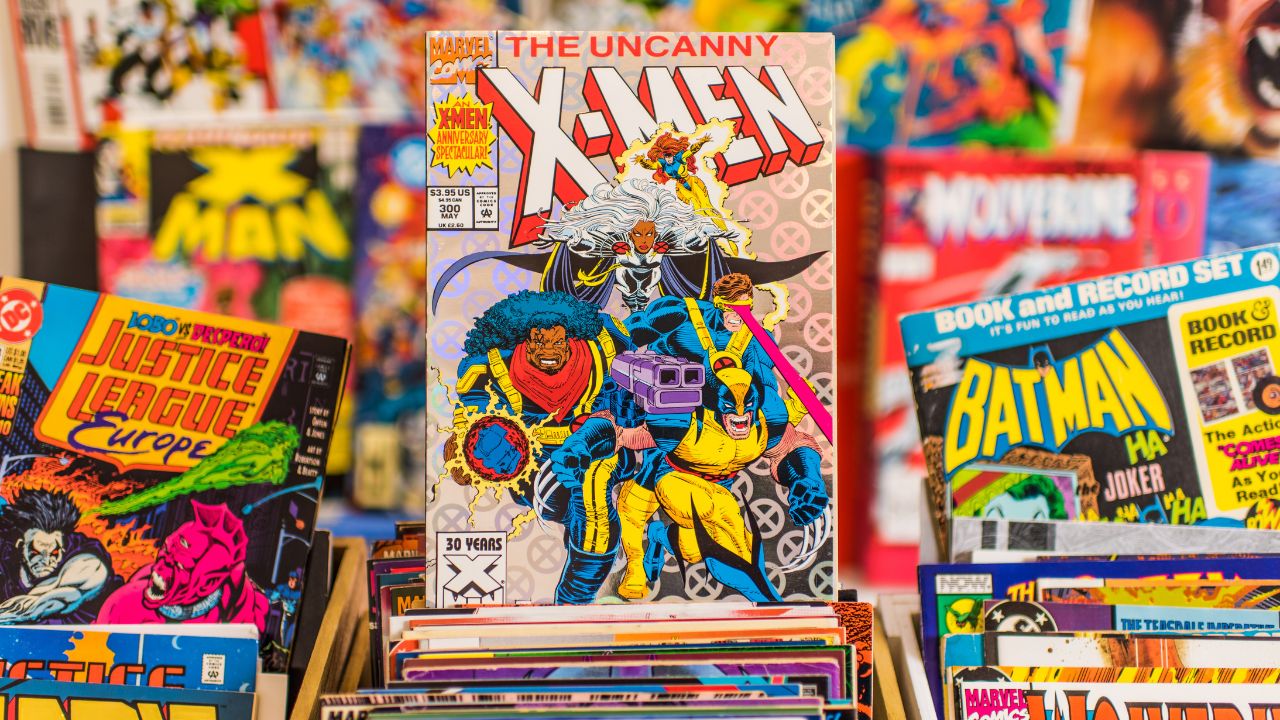
The X-Men have a naming problem, and Marvel has had roughly six decades to do something about it. Storm, Rogue, Jean Grey, Emma Frost, and Kitty Pryde have all helped define what the mutant team represents, yet their collective identity still comes with a name that puts men front and center. At this point, the women have done more than enough to earn a place in the title. So why has Marvel refused to retire the X-Men name? The answer starts with Stan Lee, a rejected title, and one publisher who had a very different idea.
The answer begins in 1963, as a publisher with strong opinions about the word mutant was about to get his way.
The X stands for extra power, not for gender
Stan Lee and Jack Kirby introduced the team in X-Men #1, dated September 1963, with a roster of Cyclops, Iceman, Angel, Beast, and Jean Grey, who went by Marvel Girl. That made four men and one woman, a ratio that explains a great deal about the title. In that same issue, Professor Charles Xavier tells Grey that mutants carry extra power ordinary humans lack, which is why he calls his students X-Men.
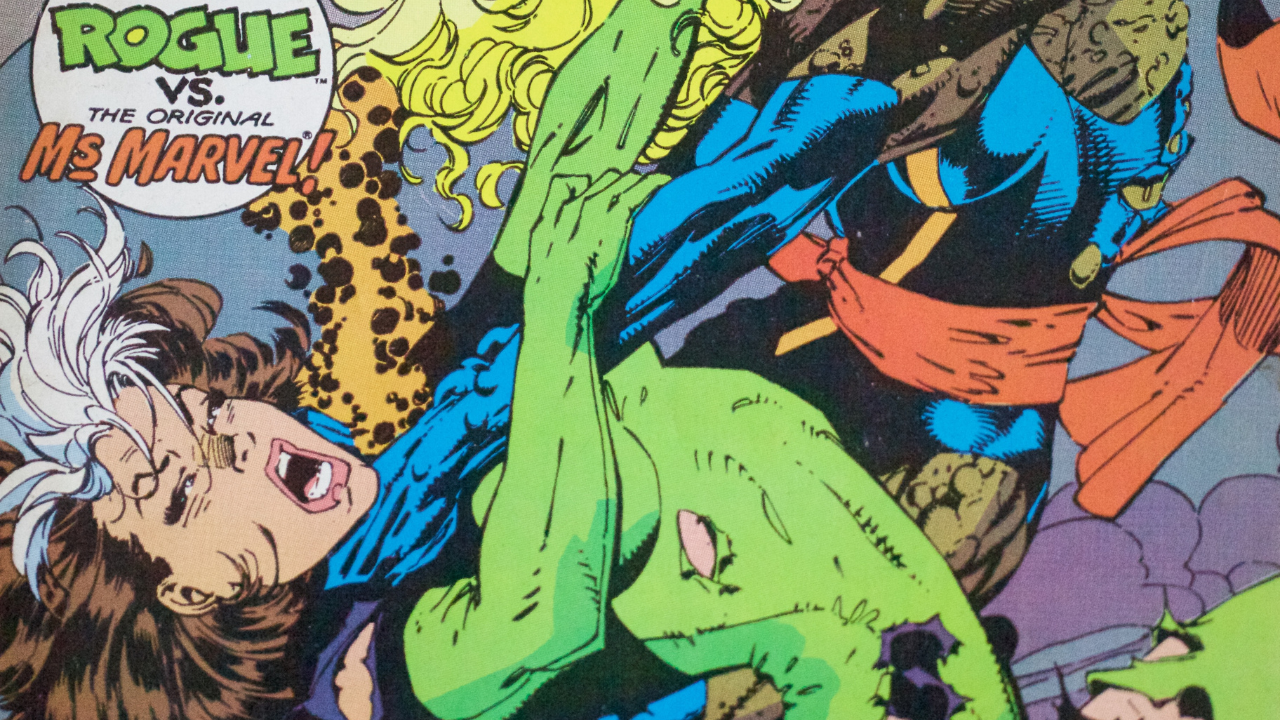
The X stands for extra, and that is the official in-story answer, even though the letter also happens to match Xavier, a coincidence Lee later noted was handy during the pitch. Over the years, the letter picked up extra baggage in the form of the X-gene and Weapon X, like a suitcase nobody remembers packing. None of that rewrote the original explanation, which still points to power and says nothing about gender.
But the name itself nearly never existed, as the team was supposed to be called something far blunter.
The publisher rejected The Mutants, so X-Men won
Stan Lee originally wanted to call the team The Mutants, a title that said exactly what it meant, which was apparently the problem. Marvel publisher Martin Goodman rejected it, reasoning that readers would not know what a mutant was, so Lee pitched X-Men and Goodman signed off. Lee later joked that anyone baffled by mutants was unlikely to understand X-Men any better, yet the name stuck like gum on a theater floor.
Years later, Lee admitted that the wording carried a flaw worth owning up to. In a 2011 Washington Post interview, he said he had named the team incorrectly because one member was a woman, and in other remarks, he noted he chose the name even with a girl on the roster. Few creators get to critique their own title so gracefully, and fewer still watch it live on for decades.
While Lee had second thoughts, the English language of 1963 had already filed the word men under everybody.
In 1963, men meant everyone, and trademark value did the rest
Language in the early 1960s treated men as a handy shorthand for people, the same way terms like firemen and policemen were once used without a second thought. By that logic, X-Men meant mutants with extra power and nothing more specific. The name was never built as a velvet rope with a no-girls sign hanging on it, even if the roster of the day made that reading easy to stumble right into.

Then comes the money side of things, which tends to end every argument. X-Men grew into one of the most valuable and globally recognized brands Marvel owns, and changing a trademarked franchise name after decades would be extremely difficult and expensive. Writer Chris Claremont, whose long run introduced or elevated many of the best-known female characters, spent years saying the X and similar phrases, and he later said legal and trademark realities blocked a permanent change.
While the name stood still, the roster did not, and the women of the team had plans.
The roster grew far beyond what the name suggests
Jean Grey began as the lone woman on the original roster, which made the title look even more lopsided. Chris Claremont's era changed that by pushing women to the center of the story, with Storm, Rogue, Kitty Pryde, Psylocke, Emma Frost, Jubilee, and Mystique all earning major space on the page. Storm even led the team multiple times, which shows the name on the door matters less than the person holding the keys.
Marvel even published all-female X-Men titles, and women leading the team became a regular sight in the comics instead of a rare novelty. The roster kept widening, the stories kept getting richer, and the name sat there for decades like a vintage jacket nobody dared to alter. Few franchises have changed so much on the inside while keeping the label on the outside exactly the same, and fewer have been teased about it quite as much.
As the roster grew, the jokes grew too, and one of them landed in a comic book in 2023.
The comics and films have joked about the name themselves
In X-Men #19, published in 2023, Firestar asks Iceman whether the team name is sexist and should be changed. Iceman dodges the question the way only a man with decades of practice can, telling her to take it up with Jean Grey. The scene is a tidy little bit of well-timed self-mockery, a comic basically raising a hand in the back of the classroom to say, yes, that has been bugging everyone.

Movies joined the teasing too, and the big screen proved to be a surprisingly good place for it. Dark Phoenix has Mystique suggest X-Women as a replacement, a line that lands because the fix sounds so obvious, while Deadpool 2 plays with the idea in its own sideways fashion. Neither film changed the title, naturally, because a joke costs a lot less than a trademark overhaul and a full global rebrand.
Real people with real job titles have weighed in as well, and one Marvel Studios producer used a word that fans had been muttering for years.
Marvel insiders and Chris Claremont call the name outdated
Marvel Studios producer Victoria Alonso described the name as outdated in 2019, pointing to the sheer number of female characters in the franchise. That is a striking thing to hear from someone with a seat at the table, though it worked more like a friendly suggestion than a memo from the boss. Still, a comment is not a rename, and the title stayed exactly right where it was on the posters.
Chris Claremont has been just as blunt over the years, calling X-Men so 1960s and floating alternatives such as the X or the X-Group. Coming from the writer who helped build the team's female roster, that critique carries weight, yet it still has not produced an official change. The name remains, as sturdy as an old boot, with a legal wall on one side and a sentimental crowd on the other.
All of that history leaves one last question, and the final verdict turns out to be simpler than the lore suggests.
The name stays because the brand is too big to change
X-Men started as a quick piece of wordplay after The Mutants was rejected, and it was never designed to shut women out. Decades of strong female characters and leaders back that up, while the name itself survived on trademark value and deep cultural recognition. Jokes and soft acknowledgments have popped up in comics and films, yet a full official rename has not happened and still faces serious practical and legal hurdles. After all, every X-Man already on the roster has helped shape the franchise's legacy, regardless of gender, and nobody can accuse the women of playing second fiddle.

What are your thoughts on the X-Men name still standing? Let us know in the comments.

Edited By: Aliza Siddiqui
