
Why Is DC Still Chasing Blockbusters When HBO Keeps Getting It Right?
Rome, 26 December 2018: GREEN LANTERN made with Lego bricks by Nathan Sawaya of The Art of the Brick DC Super Heroes. DC character created by Bill Finger and Martin Nodell in 1940 xkwx 2018, abstract, art, background, bill finger, blue, brick, bricks, building, closeup, dc, dc comics, design, digital, event, exhibition, graphic, international, joker, lego, lego art, light, logo, modern, modernism, museum, performance, red, sculptures, show, suit, Knights of the Emerald, Planet Oa, Alan Scott, Martin Nodell, 1940, Gotham, ring, ring of power, Martin Campbell, Ryan Reynolds, Mark Strong, costume, HBO Max
Rome, 26 December 2018: GREEN LANTERN made with Lego bricks by Nathan Sawaya of The Art of the Brick DC Super Heroes. DC character created by Bill Finger and Martin Nodell in 1940 xkwx 2018, abstract, art, background, bill finger, blue, brick, bricks, building, closeup, dc, dc comics, design, digital, event, exhibition, graphic, international, joker, lego, lego art, light, logo, modern, modernism, museum, performance, red, sculptures, show, suit, Knights of the Emerald, Planet Oa, Alan Scott, Martin Nodell, 1940, Gotham, ring, ring of power, Martin Campbell, Ryan Reynolds, Mark Strong, costume, HBO Max
Lanterns has ignited all the right conversations, racking up record-breaking HBO viewership and the highest Rotten Tomatoes scores in the new DCU. This triumph forces a hard question about theatrical strategy when cinema releases have proven volatile.
Superman delivered a respectable $618 million globally, yet Supergirl catered to just $126 million against a $170 million budget. HBO continues to land prestige hits, while the big-screen gamble yields unpredictable returns.
The pattern suggests a fundamental misalignment between DC's strongest storytelling and its distribution priorities.
ADVERTISEMENT
Article continues below this ad
HBO has become DC's true home for prestige storytelling
HBO built its reputation on transformative television that redefined what serialized drama could achieve. The Sopranos dismantled the antihero template, while Game of Thrones proved fantasy could dominate global culture. This legacy of quality created a sanctuary where complex characters and mature themes thrive without studio interference demanding four-quadrant appeal. DC found its natural extension within this ecosystem.
Peacemaker delivered Gunn's signature blend of irreverence and pathos with a 94% critical score. The Penguin elevated crime drama to operatic heights with a 95% rating that rivaled the finest HBO originals. Creature Commandos pushed animated horror into sophisticated territory at 93 %
Credits: John Johnson/HBO Max
Credits: John Johnson/HBO Max
Lanterns now stands as the crown jewel with a 95% critic score and 89% audience approval, marking the highest-rated live-action DCU project to date. The series drew 9.3 million global viewers in its first three days, surpassing every previous DC Studios premiere on the platform. This success stems from HBO's willingness to embrace slower pacing, moral ambiguity, and character depth that theatrical releases cannot sustain.
The Green Lantern Corps mythology demands exactly this treatment. Comic readers know these space cops operate within intricate political structures and philosophical conflicts that require episodes to breathe. Hal Jordan and John Stewart deserve the room to develop their partnership without compressing cosmic scope into a two-hour spectacle.
Warner Bros. Discovery recognizes this advantage. The studio scheduled Lanterns for weekly Sunday releases on HBO and HBO Max, building anticipation through sustained conversation rather than dumping an entire season. This strategy mirrors how Game of Thrones dominated cultural discourse for eight years.
The approach respects source material that spans decades of Green Lantern comics, exploring fear, willpower, and intergalactic jurisprudence. Fans who read Green Lantern: Rebirth or Geoff Johns' epic runs understand these stories need space to unfold. HBO provides that space while theaters demand simplification.
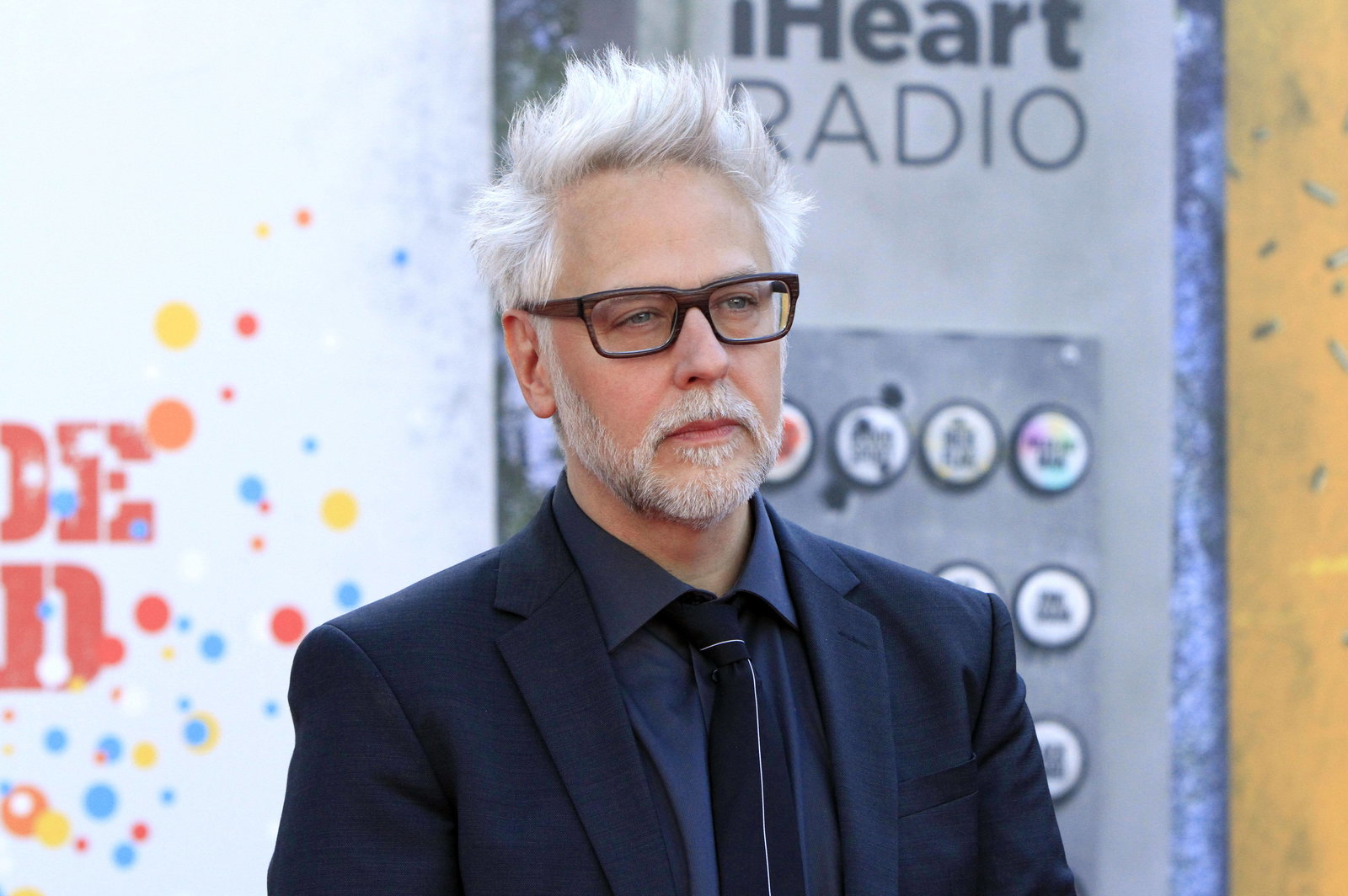
And that should make every DC fan look toward the theatrical side with even greater curiosity.
Theatrical releases have delivered inconsistent returns
James Gunn inherited a fractured franchise and promised a cohesive vision anchored by theatrical tentpoles. Superman launched this reboot with $618.7 million worldwide, earning praise for its heartfelt tone and David Corenswet's earnest performance. Yet this success masked underlying vulnerabilities. The film fell short of billion-dollar expectations that modern superhero launches typically require for true franchise momentum.
Supergirl then exposed these weaknesses with devastating clarity. The June 2026 release opened to just $38 million domestically, far below the $55 million projections. It finished with $126.3 million globally against a reported $170 million production budget, becoming DC's worst theatrical performance since Catwoman in 2004.
David Corenswet USA . David Corenswet in (C)Warner Bros new film: Superman (2025). Plot: Superman must reconcile his alien Kryptonian heritage with his human upbringing as reporter Clark Kent. As the embodiment of truth, justice and the human way he soon finds himself in a world that views these as old-fashioned. LMK106-J11145-010725 Supplied by LMKMEDIA. Editorial Only. Landmark Media is not the copyright owner of these Film or TV stills but provides a service only for recognised Media outlets.
David Corenswet USA . David Corenswet in (C)Warner Bros new film: Superman (2025). Plot: Superman must reconcile his alien Kryptonian heritage with his human upbringing as reporter Clark Kent. As the embodiment of truth, justice and the human way he soon finds himself in a world that views these as old-fashioned. LMK106-J11145-010725 Supplied by LMKMEDIA. Editorial Only. Landmark Media is not the copyright owner of these Film or TV stills but provides a service only for recognised Media outlets.
This volatility reflects broader industry challenges. Superhero fatigue has set in as audiences grow selective about which characters warrant cinema investment. Supergirl suffered from diminished interest in secondary heroes despite Milly Alcock's committed performance.
The film dropped 62% by its fourth weekend, earning the lowest fourth-weekend domestic take in DCEU or DCU history. It exited the top five faster than The Flash and Shazam! Fury of the Gods, both notorious underperformers. International markets offered no salvation. Supergirl earned only $54 million overseas while Superman managed $264 million abroad, revealing inconsistent global appeal.
Warner Bros. now faces difficult calculations. Clayface arrives in October 2026 as a horror-focused Batman villain story with a modest $40 million budget. Industry analysts suggest it needs just $100 million worldwide to profit, a far lower bar than Supergirl failed to clear. This downward revision signals recognition that not every DC property deserves blockbuster treatment.
Comic fans who followed Batman: The Long Halloween or Arkham Asylum understand that these darker tales thrive in constrained formats. The studio continues announcing films like Man of Tomorrow and The Batman Part II, yet the pattern remains clear. Theatrical DCU entries oscillate between moderate success and catastrophic loss.
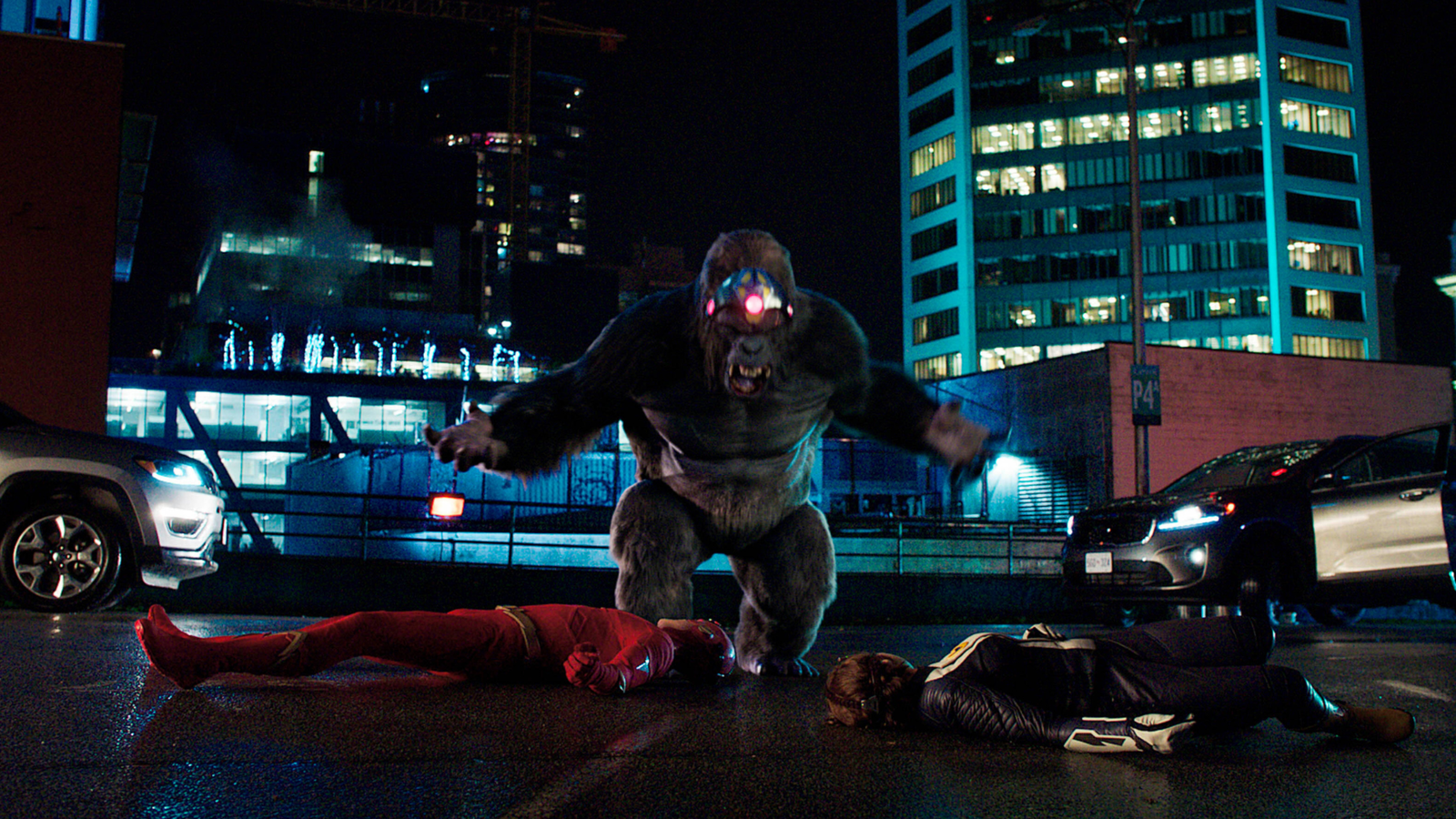
Perhaps a strategic realignment that honors DC's strengths while respecting audience behavior could be the solution.
HBO for character-driven stories and theaters for event spectacles
The solution demands honest categorization of which DC properties belong where. HBO excels at intimate character studies and complex mythology that rewards patience. Lanterns proved cosmic police procedurals need episodes to explore willpower versus fear across multiple jurisdictions. Peacemaker demonstrated that redemption arcs benefit from weekly development rather than compressed runtime.
via Imago
Credits: Imago
Theatrical releases should reserve their budgets for genuine event spectacles that demand communal viewing. Superman worked because it introduced the archetype himself with universal recognition. The Batman Part II will succeed because Gotham's dark knight carries inherent blockbuster gravity. This division respects both mediums while maximizing creative potential.
Comic history supports this approach. Green Lantern: Secret Origin and Emerald Twilight span dozens of issues exploring Hal Jordan's fall and redemption. These narratives cannot compress into two hours without sacrificing emotional weight. Peacemaker drew from obscure Suicide Squad comics that required context to make his journey meaningful.
HBO provided that context across eight episodes. Meanwhile, Clayface represents a calculated risk. The horror angle targets niche audiences who seek terror over spectacle. Its $40 million budget acknowledges this reality. Future films like Supergirl: Woman of Tomorrow might find greater success as limited series adapting Tom King's acclaimed run rather than theatrical releases.
ADVERTISEMENT
Article continues below this ad
James Gunn and Peter Safran must embrace this duality without ego. The DCU reboot promised coherence, yet coherence does not require every story to reach theaters. Creature Commandos proved animation could tackle mature war horror on streaming with a 95% score. The Penguin showed crime drama could rival The Sopranos without superhero spectacle.
Fans who cherish Kingdom Come or All-Star Superman understand these tales demand different formats. Prioritizing HBO for depth and theaters for scale creates sustainable growth.

ADVERTISEMENT
Article continues below this ad
What do you think about DC's theatrical strategy versus HBO dominance? Let us know in the comments.
ADVERTISEMENT

Edited By: Itti Mahajan
More from Netflix Junkie on Hollywood News



ADVERTISEMENT